Self-Help Pitfalls: Avoid the Tricks That Make You Feel Worse
When you’re struggling, self-help seems like the obvious fix—until it starts making you feel worse. self-help pitfalls, common traps in personal development advice that promise change but deliver guilt. Also known as toxic positivity, these patterns turn growth into another chore, another way to feel like you’re failing. You buy the book, follow the 7-step plan, track your mood daily, and still wake up exhausted. Why? Because most advice ignores the real problem: you’re not broken. You’re overwhelmed by advice that doesn’t fit your life.
Take self-help books, written guides meant to improve mental well-being, but often lacking real-world applicability or professional backing. Also known as pop psychology, they’re everywhere—but therapists recommend only a fraction of them. Many push quick fixes for deep problems, like telling you to "just visualize success" when you’re dealing with burnout, grief, or financial stress. That’s not motivation—it’s dismissal. And when you don’t get results, you blame yourself instead of the advice. Then there’s toxic positivity, the pressure to stay upbeat no matter what, even when you’re hurting. It shows up in phrases like "good vibes only" or "count your blessings," turning pain into a personal failure. This isn’t healing—it’s silencing. Real growth doesn’t require constant cheerfulness. It requires honesty, rest, and permission to be human. And personal growth, the slow, messy process of becoming more aligned with your values—not chasing an ideal version of yourself. It doesn’t come from a 30-day challenge. It comes from small, consistent choices that honor your limits, not ignore them.
The posts here don’t tell you to manifest wealth or meditate for 20 minutes a day. They show you what actually works when you’re tired, busy, or just done with the noise. You’ll find out why therapists are picky about which self-help books they recommend, how to spot greenwashed wellness advice, and why trying to fix yourself with a checklist often backfires. You’ll see how people in London dress to feel comfortable, not perfect, how to grow herbs without being a "plant parent," and how to eat for energy instead of guilt. This isn’t about becoming someone else. It’s about stopping the cycle of self-improvement that leaves you more drained than before.
Below, you’ll find real stories, practical fixes, and quiet truths—not another five-step plan. No fluff. No forced inspiration. Just what helps when you’re not okay—and that’s okay too.
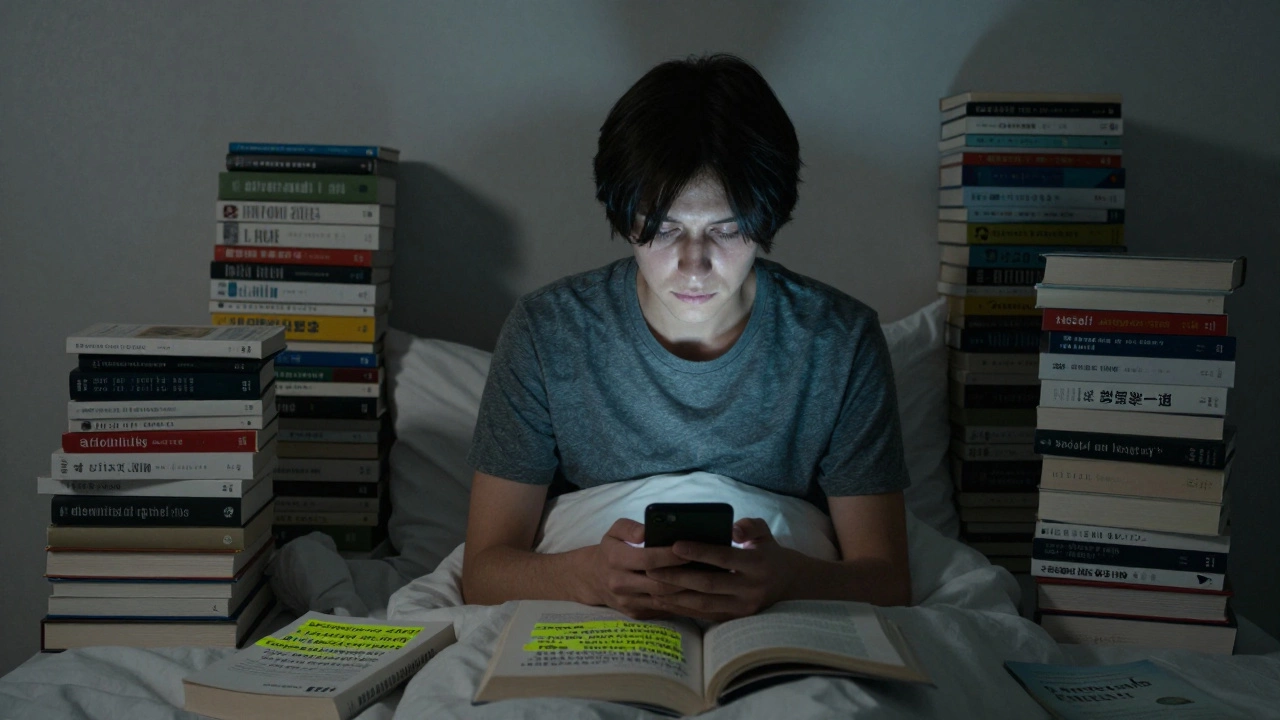
What Is the Disadvantage of Self-Help Books?
Self-help books promise quick fixes, but often ignore real-life barriers like trauma, poverty, and exhaustion. They sell inspiration without systems, making progress feel impossible. Here's what actually works instead.