Wardrobe Balance Calculator
Current Status
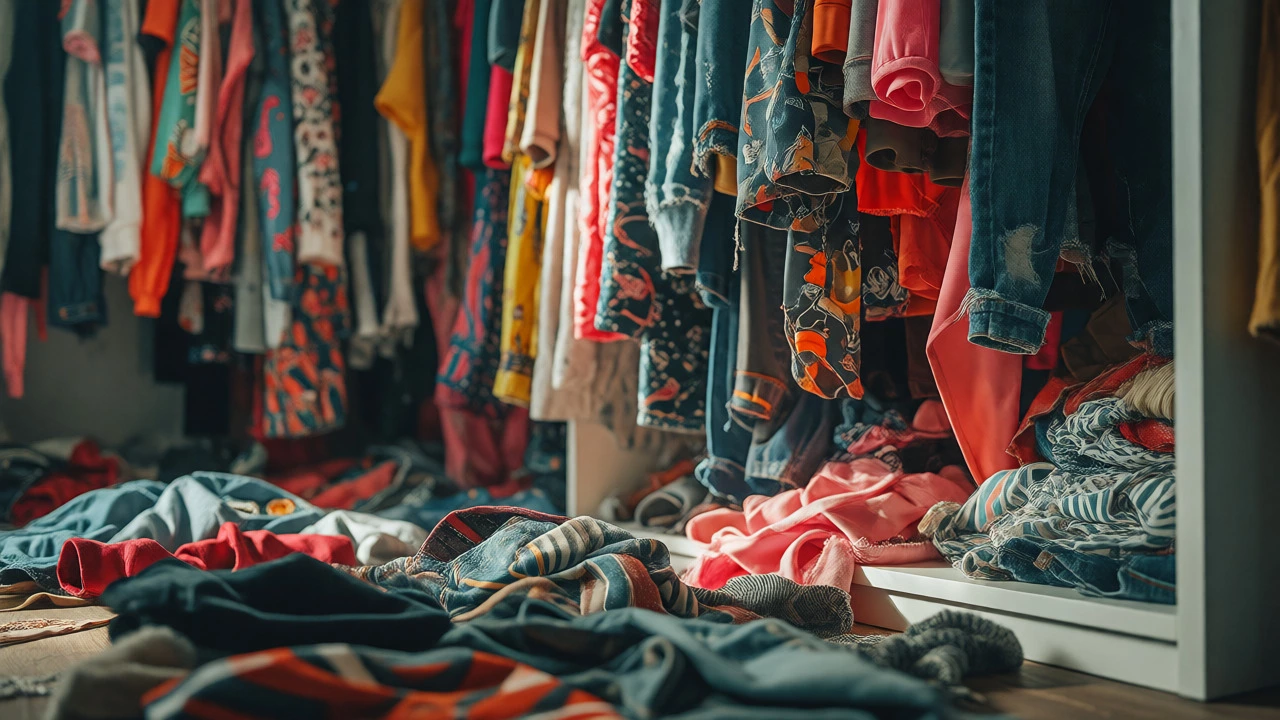
You open your closet, and it’s bursting. Yet you stare at the pile of clothes on your bed, feeling like you have absolutely nothing to wear. Sound familiar? This isn’t just bad luck; it’s often a sign that your wardrobe lacks structure. Enter the 70/30 fashion rule, a minimalist styling principle suggesting that 70% of your wardrobe should consist of timeless basics while 30% is reserved for trendy or statement pieces. It sounds rigid, but in practice, it’s the most flexible way to stop overspending and start actually wearing what you own.
This approach isn't about throwing away half your clothes overnight. It’s about balance. Think of it as a diet for your closet. If everything is salad (basics), you’re bored. If everything is candy (trends), you’ll crash. The 70/30 split keeps things interesting without breaking the bank or the planet. Let’s break down how this simple ratio can transform your daily routine and your carbon footprint.
The Core Concept: Why 70/30?
Why these specific numbers? They aren’t arbitrary. The 70% Basics represent the foundation of your style-items that are versatile, high-quality, and unlikely to go out of style within six months. These are your workhorses. The 30% Trends are the spice. They allow you to express current moods, experiment with colors, or try silhouettes that might not last forever.
When you flip this ratio, chaos ensues. If you have 70% trends and 30% basics, you constantly feel outdated because trends expire quickly. You end up buying new "essentials" every season because your previous ones look dated. By anchoring your wardrobe in staples, you create a stable base that makes those 30% trend pieces pop rather than clash.
Building Your 70% Foundation
Your 70% shouldn’t be boring; it should be reliable. These are the items you reach for when you’re running late or need to look put-together instantly. In Durban, where the weather shifts from humid subtropical heat to mild winters, your basics need to adapt.
- Neutral Tops: High-quality cotton t-shirts, crisp white button-downs, and fine-knit sweaters in black, white, navy, or beige. These mix with anything.
- Versatile Bottoms: Well-fitted dark denim jeans, tailored trousers, and a classic skirt. Avoid excessive distressing or extreme cuts here.
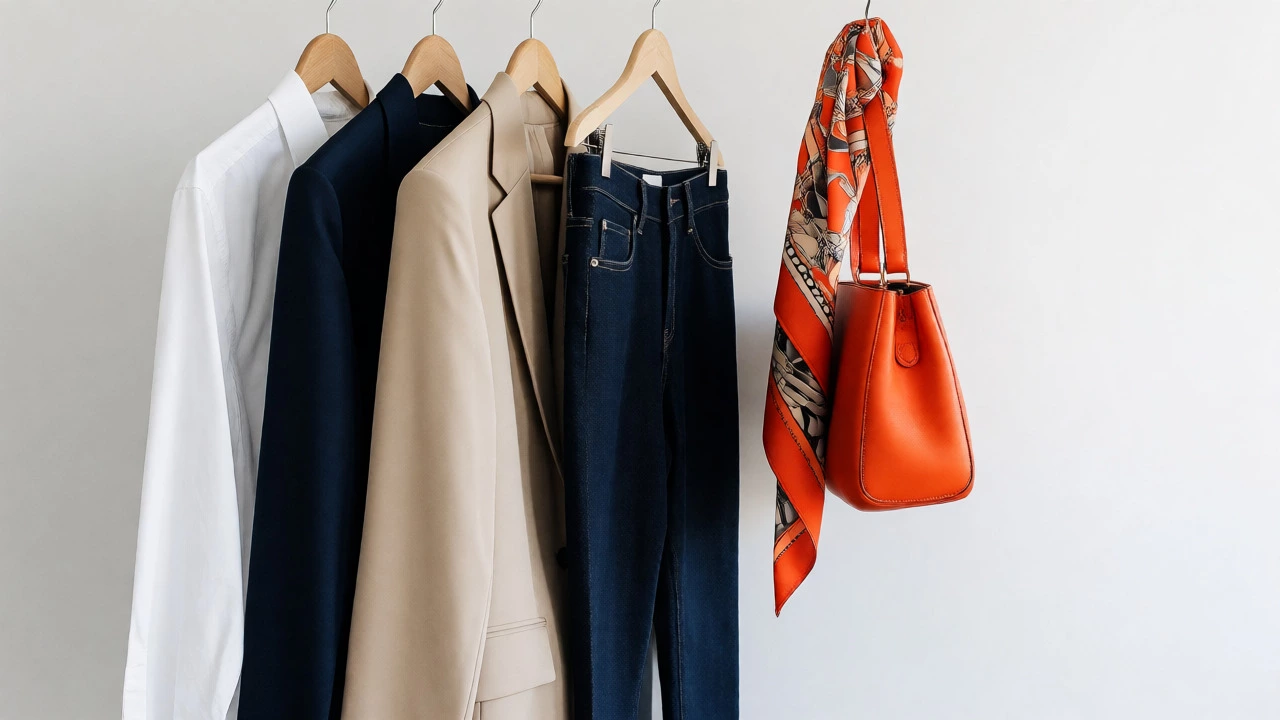
- Outerwear: A structured blazer, a trench coat, or a quality leather jacket. These add polish to even the simplest outfit.
- Footwear: Clean white sneakers, neutral boots, and comfortable loafers. Shoes anchor an outfit, so invest in comfort and neutrality here.
The key attribute of these items is interchangeability. If you buy a top, ask yourself: "Can I wear this with at least three other items I already own?" If the answer is no, it doesn’t belong in your 70%.
The Fun Part: Curating Your 30%
This is where personality lives. The 30% slot is for risk-taking. Did you see a viral TikTok trend involving oversized blazers or neon accessories? Buy one piece. Love the color of the year? Add a scarf or a bag. But here’s the catch: these items don’t need to match each other perfectly. They only need to match your 70%.
Consider a bright orange handbag. It won’t match another bright orange handbag well, but it looks fantastic against a neutral beige trench coat and blue jeans. This is why the 70% must be neutral and classic. They act as a blank canvas for your expressive choices.
| Feature | 70% Basics | 30% Trends |
|---|---|---|
| Lifespan | Years (5+) | Seasons (1-2) |
| Cost Per Wear | Low (high initial cost, frequent use) | High (lower initial cost, infrequent use) |
| Style Focus | Timeless, Neutral, Fit-focused | Bold, Colorful, Silhouette-focused |
| Purchase Strategy | Investment, Quality Materials | Fast Fashion, Thrift, Sales |
Sustainability and the 70/30 Rule
Living in South Africa, we’re increasingly aware of our environmental impact. The fashion industry is responsible for roughly 10% of global carbon emissions, according to the United Nations Environment Programme. Fast fashion exacerbates this by encouraging constant consumption. The 70/30 rule is inherently sustainable because it slows down the cycle.
By limiting trendy purchases to 30%, you reduce impulse buys. You’re less likely to throw away a $10 shirt after two wears if you’ve built a system around keeping it relevant through styling. Moreover, focusing on the 70% encourages you to spend more per item but buy fewer items overall. A $80 pair of shoes worn 200 times costs $0.40 per wear. A $20 pair worn 5 times costs $4.00 per wear. See the math? Quality pays off.
Thrifting becomes easier too. When you know exactly what gaps exist in your 70% (e.g., "I need a black wool blazer"), you can hunt specifically for them in second-hand stores like Goodwill or local charity shops in Durban. You’re not browsing aimlessly; you’re filling a strategic void.
Practical Steps to Implement the Rule
Ready to audit your closet? Don’t panic. Start small.
- The Great Purge: Pull everything out. Sort into three piles: Keep, Donate/Sell, Trash.
- Categorize: Look at your "Keep" pile. Label each item as either "Basic" or "Trend." Be honest. Is that floral print blouse really a basic? Probably not.
- Calculate the Ratio: Count your items. Do you have 70 basics and 30 trends? Most people find they have the opposite: 20 basics and 80 trends.
- Fill the Gaps: Identify missing basics. Make a shopping list. Stop buying trends until your basics are solid.
- The One-In-One-Out Rule: For every new trend item you buy, remove one old trend item. This prevents creep.
It takes time. You don’t need to fix your whole wardrobe in a weekend. Give yourself three months. Each month, focus on one category-shoes, tops, bottoms-and align them with the 70/30 standard.
Common Pitfalls to Avoid
People often misinterpret the rule. Here are mistakes I see frequently.
Mistake 1: Thinking Basics Are Ugly. Basics don’t mean shapeless sacks. A well-tailored blazer is a basic. A high-waisted trouser is a basic. Fit is the secret weapon of basics. Spend money on tailoring if needed.
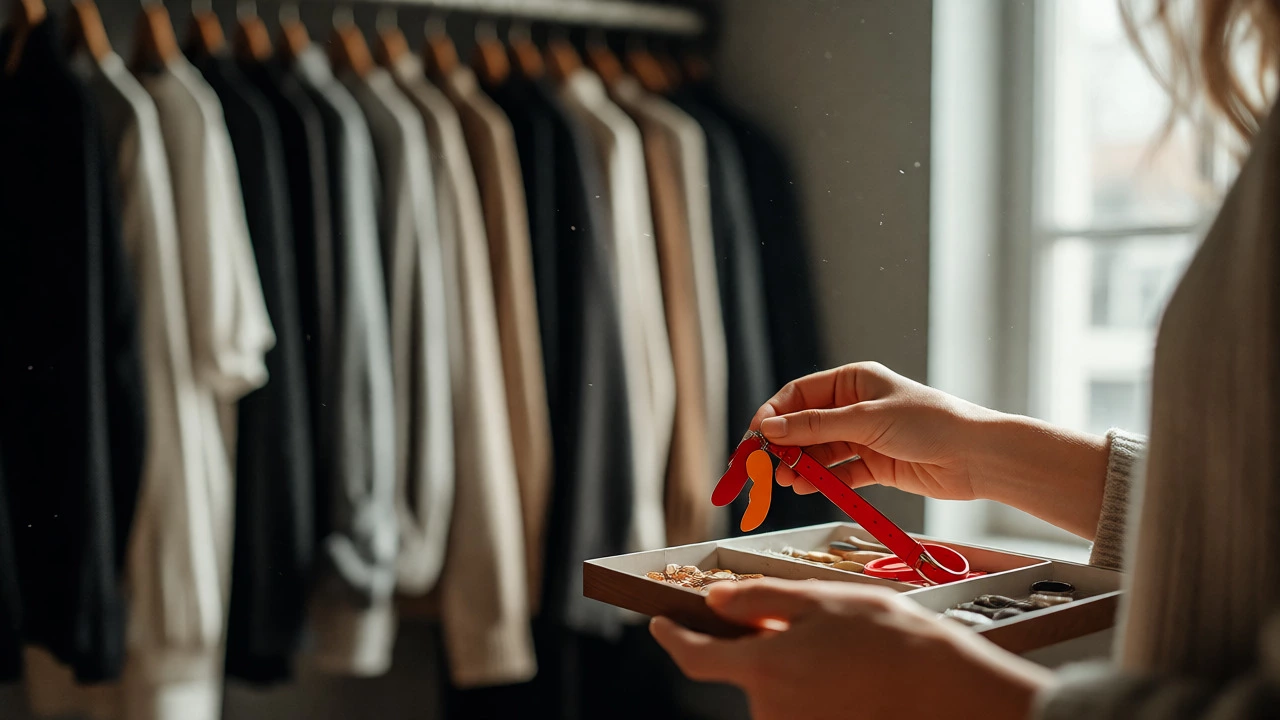
Mistake 2: Ignoring Accessories. Accessories count! A belt, a hat, or jewelry falls into the 30% category. Don’t let your accessory collection overwhelm your clothing ratio. Rotate seasonal jewelry to keep things fresh without buying new clothes.
Mistake 3: Stagnation. Some fear the 70% will make them look identical every day. It won’t. With 70 basics, you can create hundreds of combinations. Change the shoe, change the jacket, change the accessory. The outfit changes, but the effort stays low.
Does the 70/30 rule apply to shoes and bags?
Yes, absolutely. Shoes and bags are high-impact items. Your 70% should include neutral, versatile footwear (like nude heels, white sneakers, or black boots) and everyday bags. The 30% is for statement shoes (red heels, patterned flats) or unique bag shapes. Because shoes affect posture and comfort, investing in the 70% category is crucial for long-term wearability.
What if my job requires formal attire?
Adjust the definition of "basic" to fit your context. For corporate jobs, suits, dress shirts, and professional skirts become your 70%. The 30% might be bolder tie patterns, colored pocket squares, or distinctively styled watches. The principle remains: stability first, expression second. If your workplace is creative, your basics might be more relaxed, allowing for wider experimentation in the 30% slot.
How do I handle seasonal changes with this rule?
Apply the rule per season. In winter, your 70% includes coats and heavy knits. In summer, it’s linens and light cottons. Store off-season items separately. When you rotate wardrobes, ensure the incoming season’s set also follows the 70/30 split. This prevents you from hoarding winter trends that never get worn again.
Is this rule expensive to implement?
Initially, yes, because you’re replacing cheap, ill-fitting basics with higher-quality items. However, long-term savings are significant. You stop buying disposable fast-fashion items every month. Over a year, most people report spending 20-30% less on clothing because their existing basics serve multiple purposes. Thrifting basics can also mitigate upfront costs.
Can I still follow trends?
That’s the point of the 30%! You can follow trends as much as you want, provided you limit them to that 30% capacity. If a trend lasts longer than expected, great-it might graduate to your basics. If it fades, you’ve only invested a small portion of your budget and closet space. It’s a safety net for your style experiments.
Next Steps: Start Small Today
You don’t need to overhaul your life tomorrow. Pick one drawer. Maybe it’s your socks or your t-shirts. Apply the 70/30 rule there. Discard the worn-out holes and the weird novelty prints you haven’t worn in two years. Replace them with five solid neutrals and one fun pattern. Notice how much easier it is to get dressed. That small win will motivate you to tackle the rest of the closet. Your future self, standing in front of an organized, functional wardrobe, will thank you.