Environmental Impact Calculator
Select a product category to view its specific environmental metrics based on lifecycle assessment data.
Key Takeaway
Select a product to see insights.
It is tempting to think that one specific item is the absolute worst offender for our planet. But when you look at the data, the answer isn't a single object like a plastic straw or a cotton t-shirt. It is a complex web of production methods, material lifespans, and disposal habits. The most harmful product to the environment is often the one with the highest cumulative impact per unit of use, combined with low recyclability and high resource intensity.
To understand what actually hurts the Earth most, we have to move beyond guilt trips about individual items and look at lifecycle assessment (LCA) data. This approach measures the environmental cost from raw material extraction to final disposal. When we apply this lens, certain categories consistently top the charts for damage to ecosystems, water usage, and greenhouse gas emissions.
Why Single-Use Plastics Top the Damage List
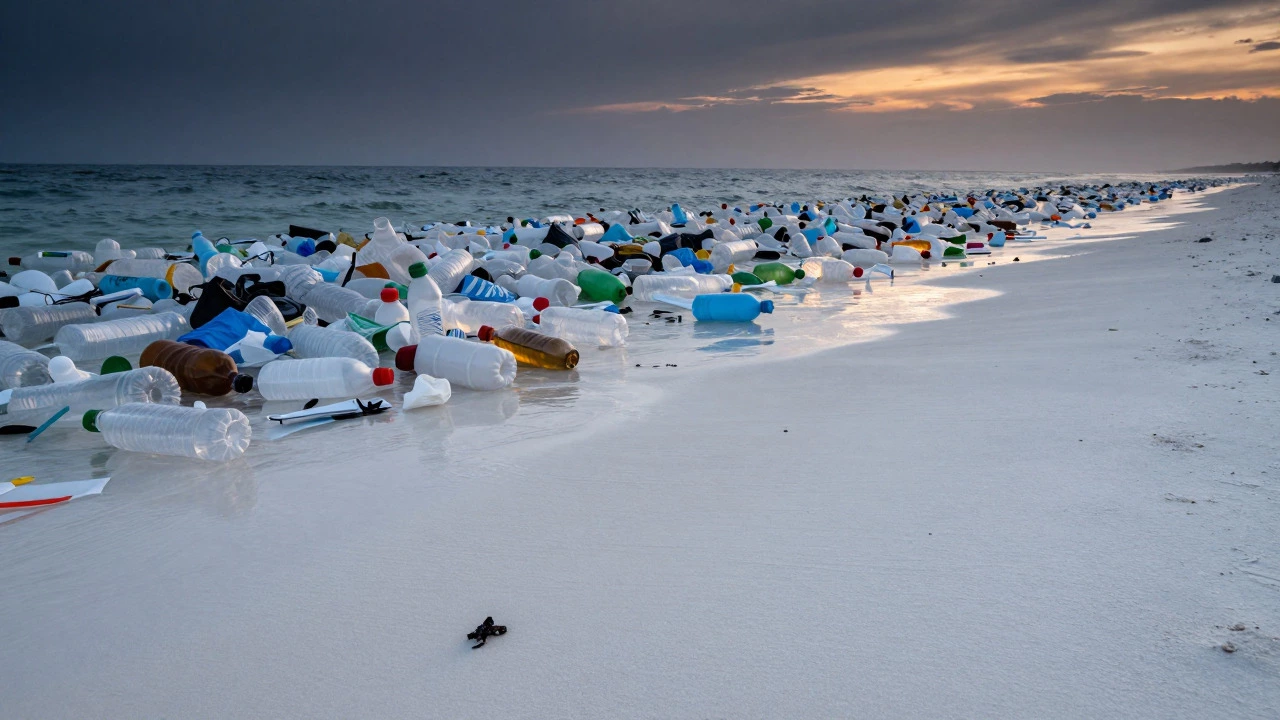
If you are looking for the most visible symbol of environmental harm, it is Single-Use Plastics. These items include bags, bottles, cutlery, and packaging designed to be used once and thrown away. The problem isn't just that they exist; it is how rarely they are reused and how difficult they are to recycle effectively.
Plastic production relies heavily on fossil fuels. According to the International Energy Agency, the petrochemical industry accounts for roughly 4% of global energy consumption. More importantly, only about 9% of all plastic ever made has been recycled. The rest ends up in landfills or the natural environment. Once there, it breaks down into microplastics, which have been found in deep ocean trenches, Arctic ice, and even human bloodstreams.
- Production Impact: High carbon emissions from oil and gas extraction.
- Waste Management: Low recycling rates due to contamination and sorting difficulties.
- Ecosystem Damage: Marine life ingestion and habitat disruption.
The harm is compounded by the fact that many consumers treat these items as temporary conveniences rather than long-term liabilities. A plastic bag used for ten minutes can persist in the soil for hundreds of years, leaching chemicals and altering nutrient cycles.
Fast Fashion: The Hidden Carbon Cost
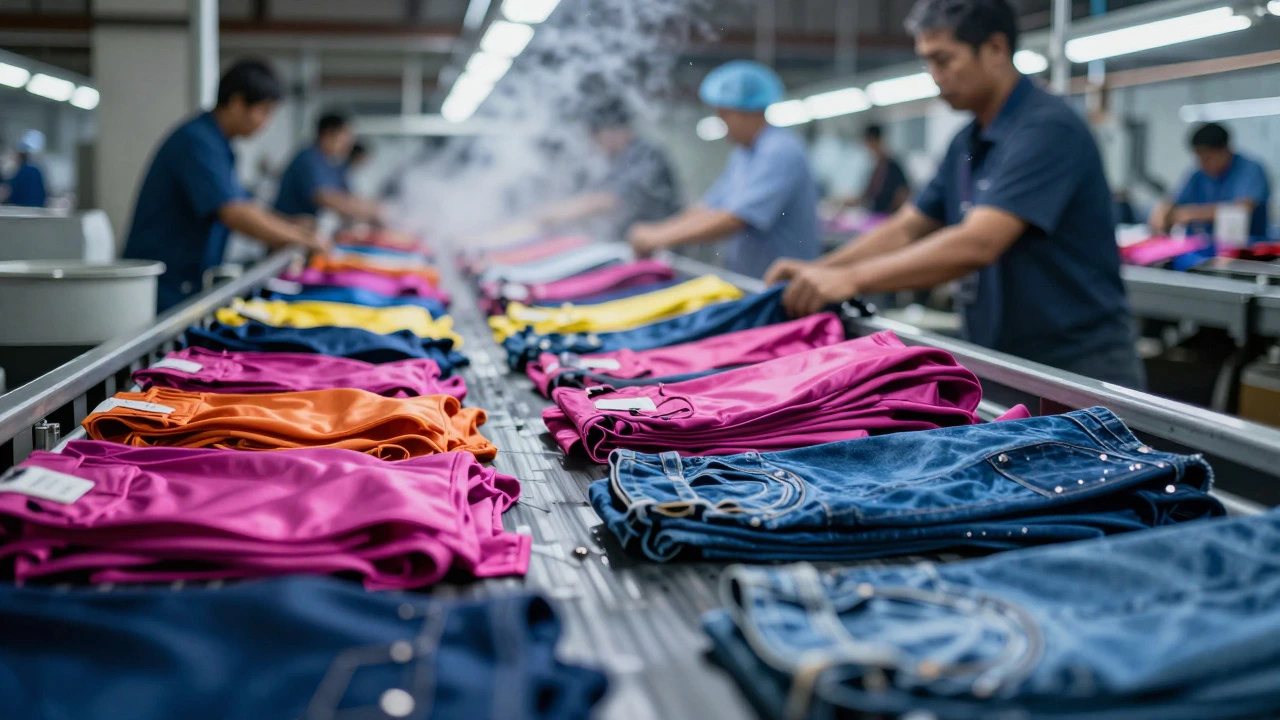
While plastics grab headlines, the clothing industry is a silent giant in terms of environmental destruction. Fast Fashion refers to the business model where retailers rapidly copy runway trends and produce cheap garments for immediate sale. This model prioritizes speed and low cost over durability and sustainability.
The environmental footprint of a single pair of jeans is staggering. It requires approximately 7,500 liters of water to produce, enough to sustain a person for ten years. When you add the chemical dyes, synthetic fibers derived from petroleum, and the shipping logistics involved, the carbon footprint per garment becomes significant. The United Nations Environment Programme estimates that the textile sector accounts for 8-10% of global carbon emissions.
The issue is not just production but consumption behavior. In many developed countries, people buy more clothes than ever before but wear them for fewer times. A shirt worn five times instead of twenty doubles its environmental impact per wear. This throwaway culture drives demand for new resources while filling landfills with non-biodegradable synthetics like polyester, which shed microfibers every time they are washed.
Beef and Dairy: Land and Water Intensity
Food choices have a massive impact on the environment, particularly regarding land use and methane emissions. Among food products, Beef stands out as having one of the highest environmental footprints per kilogram of protein produced.
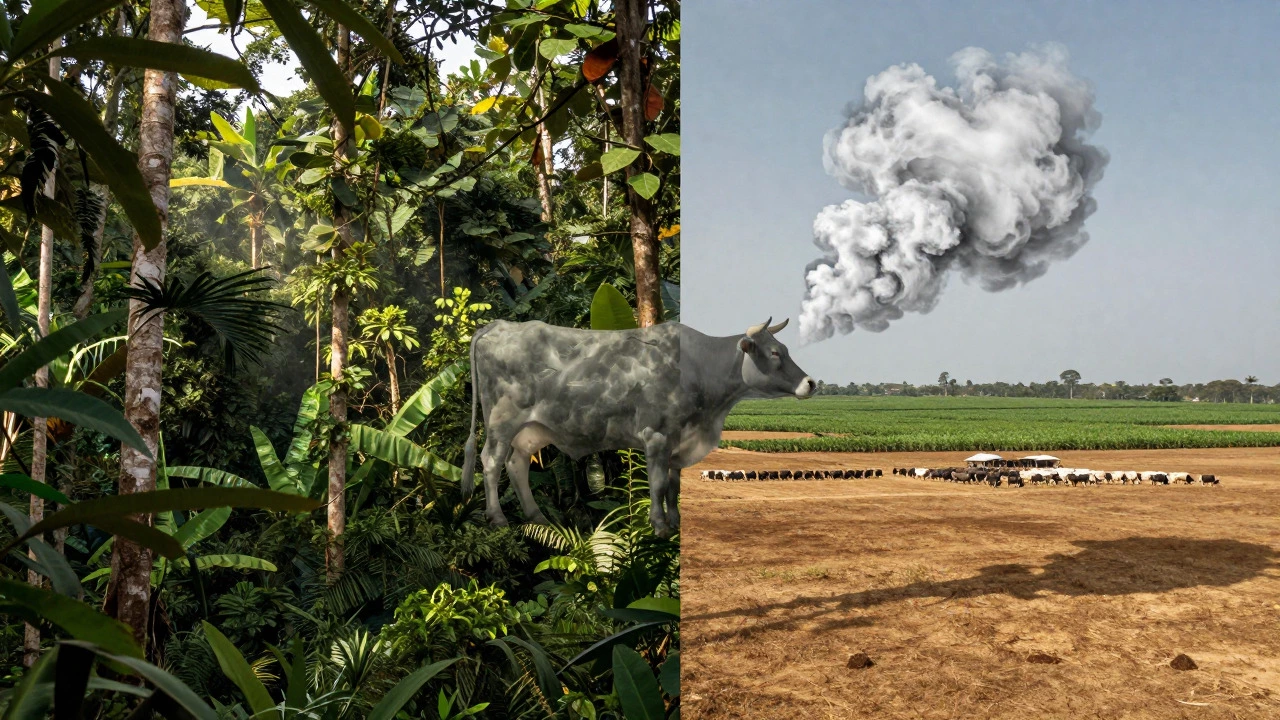
Cattle farming requires vast amounts of land for grazing and feed crops. This leads to deforestation, particularly in the Amazon basin, where forests are cleared to make way for soy plantations that feed livestock. Methane, a potent greenhouse gas, is released during cattle digestion. While it stays in the atmosphere for less time than carbon dioxide, it traps heat much more effectively in the short term.
| Product Category | Primary Resource Use | Key Pollutant/Waste | Recyclability/Durability |
|---|---|---|---|
| Single-Use Plastics | Fossil Fuels | Microplastics | Low / Very Short |
| Fast Fashion (Synthetic) | Petroleum & Water | Microfibers & Chemical Dyes | Medium / Low Durability |
| Beef | Land & Water | Methane & Nitrous Oxide | N/A (Consumable) |
| Electronics (Smartphones) | Rare Earth Metals | E-Waste & Toxic Batteries | High Repair Potential / Short Lifespan |
However, context matters. Local, grass-fed beef may have a different profile than industrial feedlot beef. Similarly, reducing portion sizes and eating lower on the food chain (plants, legumes, fish) generally lowers the overall environmental strain compared to heavy reliance on ruminant meat.
Electronics and E-Waste: The Digital Footprint
We often forget that our digital lives have a physical cost. Consumer Electronics, particularly smartphones and laptops, require mining rare earth metals like cobalt, lithium, and neodymium. These mining operations are often associated with poor labor conditions and significant landscape degradation.
The lifespan of a smartphone is typically three to four years, but manufacturers often design devices to last longer. This mismatch creates a stream of e-waste. Globally, only about 17-20% of e-waste is formally collected and recycled. The rest is exported to developing nations or dumped in landfills, where batteries leak toxic heavy metals into the soil and groundwater.
Cloud computing also plays a role. Streaming video and storing data in the cloud consumes enormous amounts of electricity. As data centers grow, their energy demand increases, contributing to global carbon emissions unless powered entirely by renewable sources.
How to Identify High-Impact Products Yourself
You don't need to be an environmental scientist to spot problematic products. Look for three key indicators: material origin, expected lifespan, and end-of-life options.
- Check the Material: Is it virgin plastic? Synthetic fiber? If so, ask if there is a reusable alternative.
- Assess Durability: Will it break after one use? One year? Five years? Higher durability usually means lower impact per use.
- Verify Recyclability: Does your local municipality actually accept this item for recycling? If not, it is likely destined for a landfill.
For example, a glass bottle is heavier to transport than a plastic bottle, increasing its carbon footprint in transit. However, because it can be refilled dozens of times without losing integrity, its total impact over its lifetime is often lower than that of a disposable plastic bottle. This nuance is why simple labels like "eco-friendly" can be misleading without context.
Practical Steps to Reduce Your Environmental Footprint
Knowing what is harmful is only half the battle. The other half is making better choices without feeling overwhelmed. You do not need to become perfect; you just need to be consistent.
- Switch to Reusables: Carry a water bottle, coffee cup, and shopping bags. This eliminates the single-use plastic component from your daily routine.
- Buy Less, Choose Well: Invest in higher-quality clothing and electronics that last longer. Avoid impulse buys driven by fast fashion trends.
- Adjust Your Diet Gradually: Try "Meatless Mondays" or reduce beef consumption. Even small shifts contribute to lower methane and land use impacts.
- Repair Before Replace: Learn basic repair skills for clothes and electronics. Extend the life of your possessions rather than discarding them at the first sign of wear.
These actions might seem small individually, but when multiplied by millions of consumers, they create significant market pressure for companies to adopt sustainable practices. Consumer choice remains one of the most powerful tools for driving environmental change.
Frequently Asked Questions
Is organic food always better for the environment?
Not necessarily. Organic farming avoids synthetic pesticides and fertilizers, which benefits soil health and biodiversity. However, organic crops sometimes yield less per acre, requiring more land. Additionally, if organic food is transported long distances, its carbon footprint can exceed that of locally grown conventional produce. The best choice depends on the balance between local sourcing and farming methods.
Are paper products better than plastic ones?
It depends on the product and its lifecycle. Paper is biodegradable and easier to recycle than plastic, but its production uses significant amounts of water and energy. For items like cups, paper lined with plastic is hard to recycle. Unlined paper or reusable alternatives are generally better. For bags, cloth bags need to be used hundreds of times to offset their production impact compared to single-use plastic bags.
What is the biggest contributor to global warming from consumer goods?
Energy use is the largest factor. This includes the electricity used to power homes, appliances, and electronics, as well as the fuel burned for transportation. Reducing energy consumption at home and choosing efficient appliances has a larger impact on climate change than most other consumer product choices.
Do compostable plastics solve the plastic problem?
Only partially. Compostable plastics require specific industrial composting facilities to break down properly. In regular landfills or the ocean, they behave similarly to conventional plastics. They are useful for specific applications like food containers that go directly to compost, but they are not a universal replacement for all single-use plastics.
How does air travel compare to other products in terms of harm?
Air travel has a very high carbon footprint per passenger-mile, especially for short-haul flights. It is often cited as one of the most impactful activities individuals can undertake. However, it is a service rather than a product. To reduce its impact, flying less, choosing direct routes, and using public transport for shorter distances are effective strategies.