Find Your Perfect Beginner Vegetable
Answer three simple questions and discover which vegetable is perfect for your situation.
There is a specific kind of magic that happens when you pull your first homegrown vegetable from the soil. It tastes better, sure, but it also proves that you can actually do this thing called gardening. If you are standing in your backyard or looking at a small balcony pot, wondering where to start, you are probably asking yourself: what is the easiest vegetable to grow?
The short answer is radishes. They are fast, forgiving, and practically impossible to mess up if you just keep them watered. But "easy" means different things to different people. Maybe you don't have much space. Maybe you live in a hot climate like Durban, South Africa, where summer heat hits hard. Or maybe you just want something that doesn't require constant attention while you work.
This guide breaks down the absolute simplest vegetables for beginners, why they work, and how to grow them without losing your mind. We will look at speed, space requirements, and pest resistance to help you pick the right crop for your situation.
Why Radishes Are the King of Easy Gardening
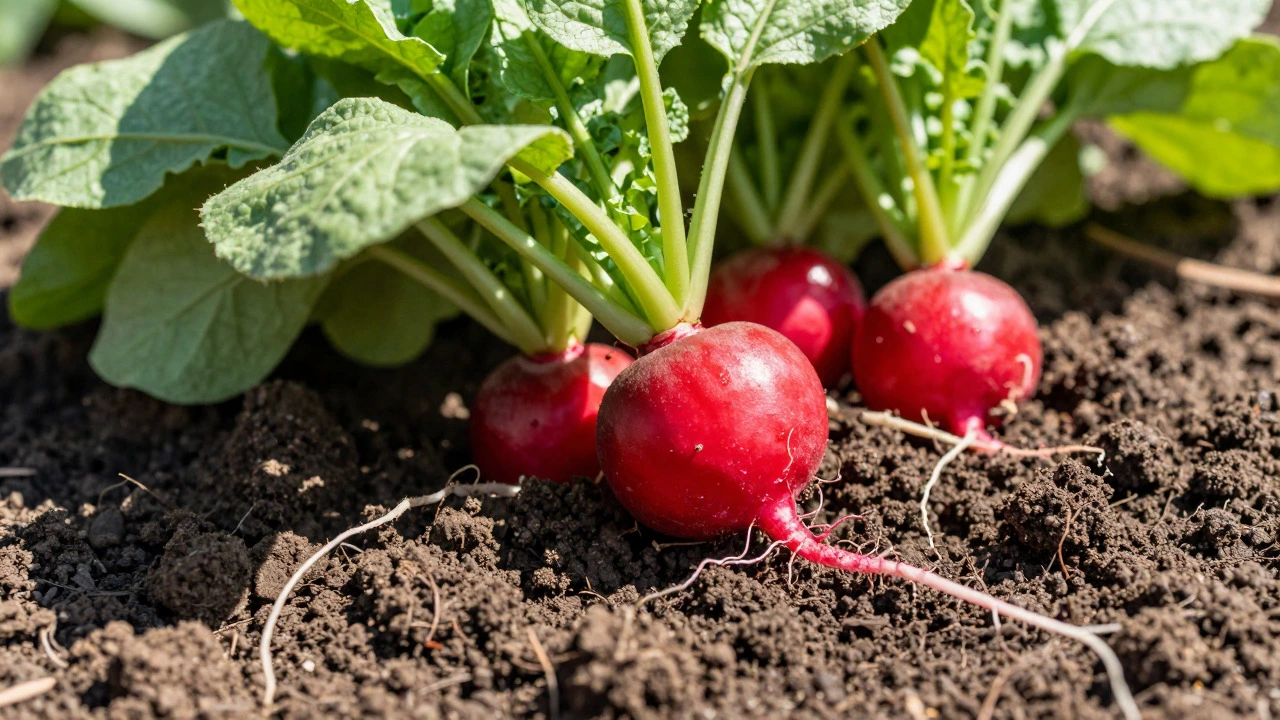
If you want results yesterday, plant radishes. Radishes are fast-growing root vegetables that mature in as little as 25 to 30 days. They are often the first crop recommended for new gardeners because they provide immediate feedback. You sow the seed, you water it, and three weeks later, you have dinner ingredients.
The variety known as 'Cherry Belle' or 'French Breakfast' is particularly reliable. These seeds germinate quickly, often sprouting within four to five days. This quick timeline is crucial for beginners because it keeps motivation high. There is nothing more discouraging than waiting months for a plant that never fruits.
Growing radishes requires minimal space. You can plant them densely in a shallow container or a narrow row in the ground. The key attribute here is depth; radishes need loose, stone-free soil so their roots can expand easily. If the soil is compacted, the radish will grow misshapen, but it will still be edible. Just remember to thin them out. If you leave them too crowded, they compete for nutrients and become small and spicy. Pulling some out for a salad is part of the process.
Lettuce: The Leafy Green That Keeps Giving
Lettuce is a cool-season leafy green that grows rapidly and allows for continuous harvesting. Unlike radishes, which you harvest once and then replant, lettuce offers a cut-and-come-again approach. You can snip the outer leaves every few days, and the center continues to produce new growth.
This makes lettuce incredibly efficient for small spaces. A single large pot can feed a family of two throughout the spring and autumn. In hotter climates, however, lettuce has a major weakness: bolting. When temperatures rise above 75°F (24°C), lettuce plants sense stress and rush to flower, turning the leaves bitter. To combat this, choose bolt-resistant varieties like 'Jericho' or 'Salad Bowl'. Alternatively, grow lettuce in the shade during peak summer months.
Lettuce seeds are tiny, almost like dust. Do not bury them deep. Simply sprinkle them on the surface of moist soil and press them gently into place. Keep the soil consistently damp until the seedlings emerge. Once they have two true leaves, thin them to give each plant about six inches of space. This prevents fungal issues and ensures robust growth.
| Vegetable | Time to Harvest | Space Required | Best Season | Difficulty Level |
|---|---|---|---|---|
| Radishes | 25-30 days | Very Low (Shallow) | Spring/Autumn | Very Easy |
| Lettuce | 30-45 days | Low (Can be dense) | Cool Weather | Easy |
| Green Beans | 50-60 days | Medium (Vertical) | Summer | Easy |
| Zucchini | 45-55 days | High (Large Plant) | Summer | Moderate |
| Spinach | 35-45 days | Low | Cool Weather | Easy |
Green Beans: High Yield with Minimal Effort
If you want abundance, look no further than green beans. Green Beans are productive legumes that fix nitrogen in the soil and produce heavily over a long period. Bush varieties are ideal for beginners because they do not require trellising. They stay compact, making them perfect for raised beds or containers.
One of the most attractive features of green beans is their self-fertilizing nature. As legumes, they host bacteria in their root nodules that convert atmospheric nitrogen into a form plants can use. This improves the soil health for neighboring plants, creating a symbiotic relationship in your garden bed.
Plant bean seeds about an inch deep and two inches apart. Water them well after planting. Once established, beans prefer consistent moisture but dislike wet feet. Drainage is critical. If the soil stays soggy, the seeds may rot before germinating. Harvest beans frequently-every two to three days-to encourage continued production. If you let the pods get large and lumpy, the plant thinks its job is done and stops producing new flowers.
Zucchini: The Overachiever of the Garden
Zucchini is a prolific summer squash that produces massive yields from just one or two plants. Often joked about as the vegetable you will give away to neighbors because you have too many, zucchini is undeniably easy to grow. One plant can supply an entire household with fresh squash all summer long.
The main challenge with zucchini is space. These plants get big. Their leaves are wide, and they sprawl. Ensure each plant has at least three to four square feet of room. If you are growing in containers, use a large pot-at least five gallons-and provide support for the heavy fruits to prevent them from touching the damp soil, which can cause rot.
Pests are the primary enemy of zucchini. Squash bugs and vine borers love these plants. Inspect the undersides of leaves regularly. Hand-picking squash bugs is effective for small infestations. For vine borers, look for sawdust-like frass near the base of the stem. Removing these pests early saves the plant. Despite these minor hurdles, the reward is huge. Zucchini matures quickly, and picking fruits when they are six to eight inches long ensures tender skin and sweet flesh.
Spinach and Kale: Hardiness in Tough Conditions
Leafy greens like spinach and kale are remarkably resilient. Spinach is a cold-tolerant leafy green that thrives in cooler temperatures and partial shade. While spinach bolts in heat, kale actually improves in flavor after a light frost. The cold converts starches into sugars, making the leaves sweeter and more palatable.
These crops are excellent for filling gaps in your garden. Because they grow relatively slowly compared to radishes, they can occupy space while faster crops mature. Spinach prefers rich, organic soil. Adding compost before planting gives it the nutrient boost it needs for dark, lush leaves.
Kale varieties like 'Lacinato' or 'Curly Blue' are particularly hardy. They can withstand a range of temperatures, making them suitable for year-round gardening in mild climates. Harvest outer leaves continuously, leaving the central growing point intact. This method extends the harvest window significantly compared to pulling the whole plant.
Essential Tips for Success with Easy Vegetables
Even the easiest vegetables fail if basic conditions are ignored. Here are the non-negotiables for beginner success:
- Sunlight Matters: Most vegetables need at least six hours of direct sunlight daily. Leafy greens can manage with four hours, but fruiting plants like beans and zucchini demand full sun. Assess your garden's light patterns before choosing crops.
- Soil Quality: Healthy soil grows healthy plants. Mix compost into your planting area before sowing seeds. Compost improves drainage, retains moisture, and provides essential nutrients. Avoid heavy clay soils that compact easily; amend them with organic matter.
- Water Consistency: Inconsistent watering causes problems. Too little water stresses plants, leading to bitterness in lettuce or blossom end rot in tomatoes. Too much water drowns roots. Aim for deep, infrequent watering rather than daily sprinkles. Mulching helps retain soil moisture and suppress weeds.
- Start Small: It is tempting to plant the entire packet of seeds. Resist this urge. Start with a small patch. You can always plant more later, but overcrowding leads to disease and poor yields. Manageable size reduces overwhelm.
Common Mistakes to Avoid
New gardeners often make predictable errors. Recognizing these pitfalls early saves time and frustration.
Overwatering is the number one killer of seedlings. Young roots are delicate. Check the soil moisture by sticking your finger an inch deep. If it feels dry, water. If it is damp, wait. Ignoring pests is another mistake. Regular inspection catches problems early. A few aphids are manageable; an infestation is not. Use insecticidal soap or neem oil as needed.
Planting too late in the season can doom warm-sensitive crops. Check your local frost dates. In places like Durban, the risk of frost is low, but extreme summer heat poses challenges. Plan your planting schedule around seasonal temperature shifts. Cool-season crops like lettuce and spinach should go in early spring or late summer. Warm-season crops like beans and zucchini thrive after the last chill has passed.
Next Steps for Your Garden
Ready to start? Begin with radishes and lettuce. They offer quick wins that build confidence. Once you master those, expand to green beans and zucchini. Observe how your garden responds to different conditions. Note which areas get the most sun and which stay shaded. Adjust your crop placement accordingly.
Keep a simple journal. Record planting dates, harvest times, and any issues encountered. This data becomes invaluable for future seasons. Gardening is a learning process. Every failed plant teaches you something valuable. Embrace the mistakes, celebrate the successes, and enjoy the journey of growing your own food.
What is the absolute fastest vegetable to grow?
Radishes are the fastest, maturing in as little as 25 to 30 days. Microgreens are even faster, ready in 7 to 14 days, but radishes are the quickest traditional vegetable crop.
Can I grow easy vegetables in pots on a balcony?
Yes, absolutely. Radishes, lettuce, spinach, and bush beans thrive in containers. Ensure pots have drainage holes and use a quality potting mix. Balcony gardens work well for leafy greens and compact varieties.
Why did my lettuce turn bitter?
Bitterness usually indicates bolting, triggered by heat or age. Lettuce prefers cool weather. If temperatures exceed 75°F (24°C), the plant rushes to flower, altering leaf flavor. Choose bolt-resistant varieties or grow in shade during summer.
How often should I water my vegetable garden?
Water deeply once or twice a week rather than lightly every day. This encourages deep root growth. Check soil moisture by inserting your finger an inch deep; water only if it feels dry. Mulching helps retain moisture between waterings.
Do I need special soil for easy vegetables?
You do not need expensive specialized mixes, but soil should be loose, well-draining, and rich in organic matter. Adding compost before planting significantly improves growth. Avoid heavy clay or sandy soils without amendment.