Toxic Clothing Risk Checker
Ready to Analyze
Select options from the form to see your garment's potential chemical risk profile.
Potential Chemicals Detected:
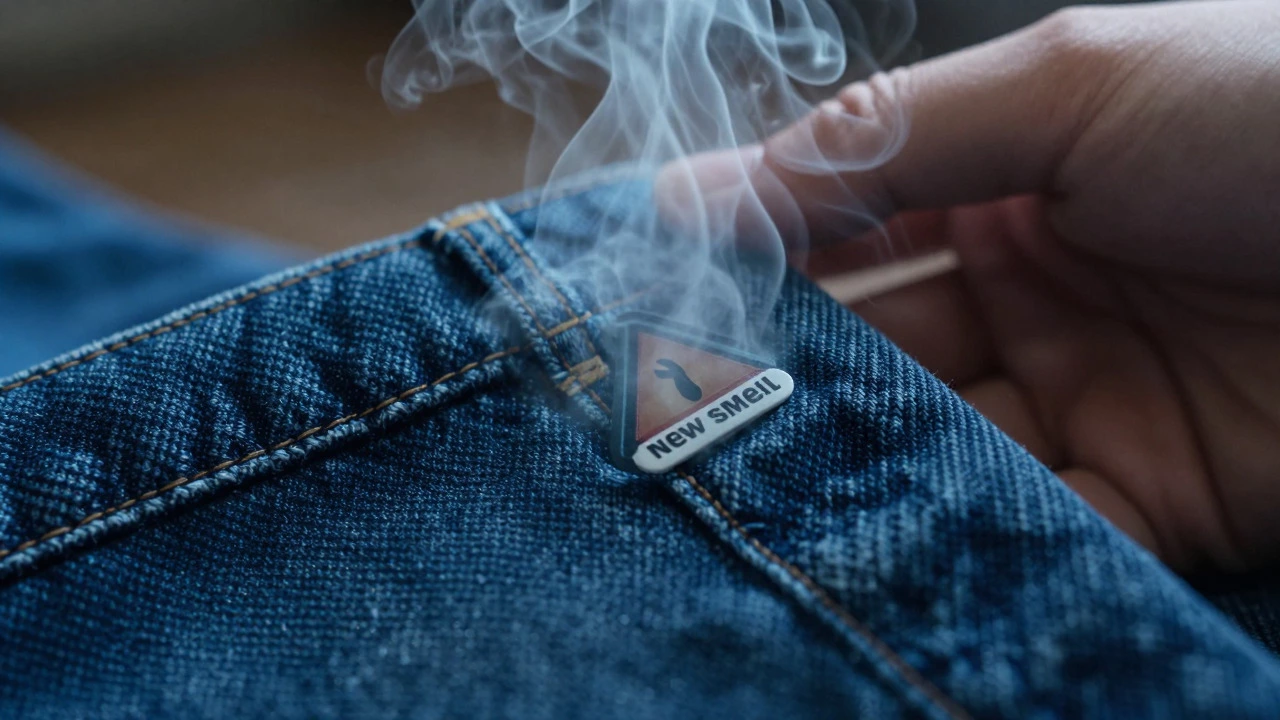
That new pair of jeans smells sharp. You might brush it off as the scent of "new," but your nose is actually detecting a cocktail of volatile organic compounds (VOCs). For decades, the fashion industry has prioritized speed and low cost over safety, pumping billions of liters of toxic wastewater into rivers from Bangladesh to Vietnam. But here is the uncomfortable truth: those toxins don't just stay in the water. They end up on your skin, in your lungs, and eventually, in your bloodstream.
If you are wondering what clothing brands have toxic chemicals, you aren't alone. The answer isn't a simple list of villains; it's a complex web of supply chains where even major high-street retailers struggle to police their factories. However, certain types of garments and specific fast-fashion giants have been repeatedly flagged by environmental watchdogs for using hazardous substances like per- and polyfluoroalkyl substances (PFAS), azo dyes, and formaldehyde resins.
The Hidden Toxins in Your Wardrobe
Before pointing fingers at specific labels, we need to understand what we are actually avoiding. Most people assume that if a fabric feels soft, it's safe. That is a dangerous assumption. The manufacturing process involves hundreds of chemical inputs, many of which are not required to be disclosed on the care label.
One of the biggest culprits is PFAS, often called "forever chemicals." These are used in stain-resistant trousers, waterproof outdoor jackets, and non-slip socks. Because PFAS does not break down easily, it bioaccumulates in human tissue. Studies have linked exposure to increased risks of kidney cancer, thyroid disease, and lowered immune response. Another common offender is Formaldehyde. It’s used as a preservative in textiles to prevent mildew during shipping and to keep shirts wrinkle-free. When you pull a shirt out of the plastic packaging, you are breathing in formaldehyde gas. Long-term exposure is classified as a carcinogen by the International Agency for Research on Cancer.
Then there are Azo Dyes. These synthetic dyes create vibrant colors but can break down into aromatic amines-known carcinogens-when they come into contact with sweat or oxygen. While banned in the European Union since 2003, enforcement in global supply chains remains spotty, meaning cheap garments sold worldwide may still contain them.
Brands Frequently Flagged for Toxic Practices
Identifying specific brands is tricky because large corporations source from thousands of factories. A brand might have one factory that uses clean water treatment and another that dumps raw dye into a local river. However, organizations like Greenpeace, Clean Clothes Campaign, and Detox My Fashion have published reports naming repeat offenders.
| Brand/Retailer | Primary Concern | Evidence/Report Source |
|---|---|---|
| H&M Group | PFCs in rainwear, poor wastewater management | Greenpeace "Detox My Fashion" campaigns |
| Nike | Fluorinated chemicals in performance gear | Environmental Working Group (EWG) tests |
| Adidas | PFAS in waterproof outerwear | EWG and independent lab analyses |
| Zara (Inditex) | Azo dyes, microplastic shedding | bsp;Clean Clothes Campaign audits |
| Uniqlo | Stain-resistant finishes containing PFAS | Consumer Reports testing |
It is important to note that these brands have made public commitments to reduce chemicals. H&M, for instance, has a "Conscious Exclusive" line. But critics argue these efforts are too slow and lack transparency. The core issue is opacity: unless a brand publishes its full supplier list and allows third-party chemical testing, consumers are guessing.

Red Flags: How to Spot Toxic Clothing Yourself
You don't need a chemistry degree to avoid the worst offenders. There are practical heuristics you can use right now when shopping. If a garment triggers any of these red flags, put it back.
- The Smell Test: If it smells like plastic, gasoline, or strong perfume, it likely contains residual solvents or VOCs. Wash it inside out before wearing, but consider skipping it entirely if the smell persists after two washes.
- "Stain-Resistant" or "Waterproof" Claims: These terms almost always signal the presence of PFAS or similar fluorinated chemicals. Unless the brand explicitly states they use PFOA-free technology, assume the worst.
- Vibrant, Cheap Colors: Bright reds, oranges, and blacks on inexpensive polyester or nylon are often dyed with azo dyes. Natural fibers in muted tones are generally safer bets.
- Wrinkle-Free Shirts: This finish usually requires formaldehyde resins. Look for "no-iron" alternatives made from natural cotton blends that use mechanical finishing instead of chemical treatments.
- Generic Labels: If the tag only says "100% Polyester" without any certification logos, you have no idea how it was processed. Polyesters are petroleum-based and shed microplastics, but the chemical additives vary wildly.
Certifications That Actually Mean Something
Greenwashing is rampant. Brands love slapping leaf icons on tags to imply eco-friendliness. To cut through the noise, look for independent, third-party certifications. These require rigorous testing and regular audits.
The gold standard is GOTS (Global Organic Textile Standard). GOTS doesn't just ensure the cotton is organic; it restricts the entire processing chain. It bans toxic heavy metals, formaldehyde, and aromatic solvents. If you see the GOTS logo, you can trust that the fabric is free from the most harmful chemicals.
Another reliable mark is Oeko-Tex Standard 100. This certification tests every component of the fabric-including threads and buttons-for harmful substances. It ensures the final product is safe for human health, though it doesn't necessarily address environmental impact during production. For outdoor gear, look for Bluesign approval. Bluesign focuses on input stream management, ensuring that factories only use approved, safe chemicals.
Avoid vague terms like "eco-friendly," "green," or "natural" unless backed by one of these specific seals. "Natural" can still mean chemically treated hemp or linen. Specificity is your friend.

Safer Alternatives: Brands Leading the Change
If you want to switch to cleaner options, several brands are proving that profitability and toxicity don't have to go hand-in-hand. These companies prioritize transparency and publish detailed breakdowns of their materials and factories.
Pact offers affordable basics made from GOTS-certified organic cotton. Their supply chain is fully audited, and they avoid synthetic dyes. Kotn works directly with Egyptian cotton farmers, ensuring fair wages and eliminating the need for harsh pesticides and fertilizers. For activewear, Girlfriend Collective uses recycled plastics but subjects all fabrics to Oeko-Tex testing to ensure no harmful residues remain.
Outdoor enthusiasts should check out Fjällräven, which uses waxed cotton instead of PFAS-based waterproofing for many of its jackets. While it requires more maintenance than synthetic shells, it keeps forever chemicals out of your body and the environment. Supporting these brands sends a market signal that consumers demand safety.
The Bigger Picture: Why This Matters Beyond Health
Your choice of clothing affects more than just your personal health. The textile industry is the second-largest polluter of clean water globally. When factories dump untreated dye and chemical sludge into rivers, they devastate local ecosystems and poison the communities living downstream. Workers who handle these chemicals without protective gear suffer from respiratory issues, skin burns, and long-term illnesses.
By choosing certified safe clothing, you vote for a system that values human dignity and environmental integrity. It’s not about perfection; it’s about progress. Start by replacing your underwear and sleepwear-the items closest to your skin-with organic, certified options. Then, gradually build a wardrobe that protects both you and the planet.
Are expensive designer brands free from toxic chemicals?
Not necessarily. High price tags often reflect marketing, branding, and labor costs rather than material safety. Many luxury brands still rely on conventional leather tanning processes that use chromium and other heavy metals. Always check for certifications like GOTS or Oeko-Tex, regardless of the brand's prestige.
Does washing new clothes remove all toxic chemicals?
Washing helps remove surface residues like formaldehyde and some dyes, but it won't eliminate bound chemicals like PFAS or heavy metals integrated into the fiber structure. Washing is a good first step, but prevention through certified purchases is more effective.
Is polyester inherently toxic?
Polyester itself is a plastic derived from petroleum, so it sheds microplastics. However, the toxicity depends on the additives used during production. Unrecycled polyester often contains antimony catalysts and various flame retardants. Recycled polyester is slightly better but still poses microplastic risks. Natural, certified fibers are safer choices.
What is the safest fabric for babies?
Babies have sensitive skin and spend much time chewing on clothes. The safest option is GOTS-certified organic cotton. It ensures no toxic pesticides were used in farming and no harmful chemicals were used in processing. Avoid wool unless it is certified lanolin-free and washed thoroughly, as lanolin can cause allergies.
How can I tell if my shoes contain toxic glues?
Shoes often use adhesives containing volatile organic compounds (VOCs) and formaldehyde. Look for brands that specify "water-based adhesives" or "solvent-free glue." Brands like Vejas and Allbirds highlight their use of non-toxic bonding agents. If your new shoes have a strong chemical odor, air them out for weeks before wearing.