Declutter Sprint Planner & Timer
Sprint Timer
Progress Score
Complete steps to increase your clarity score.
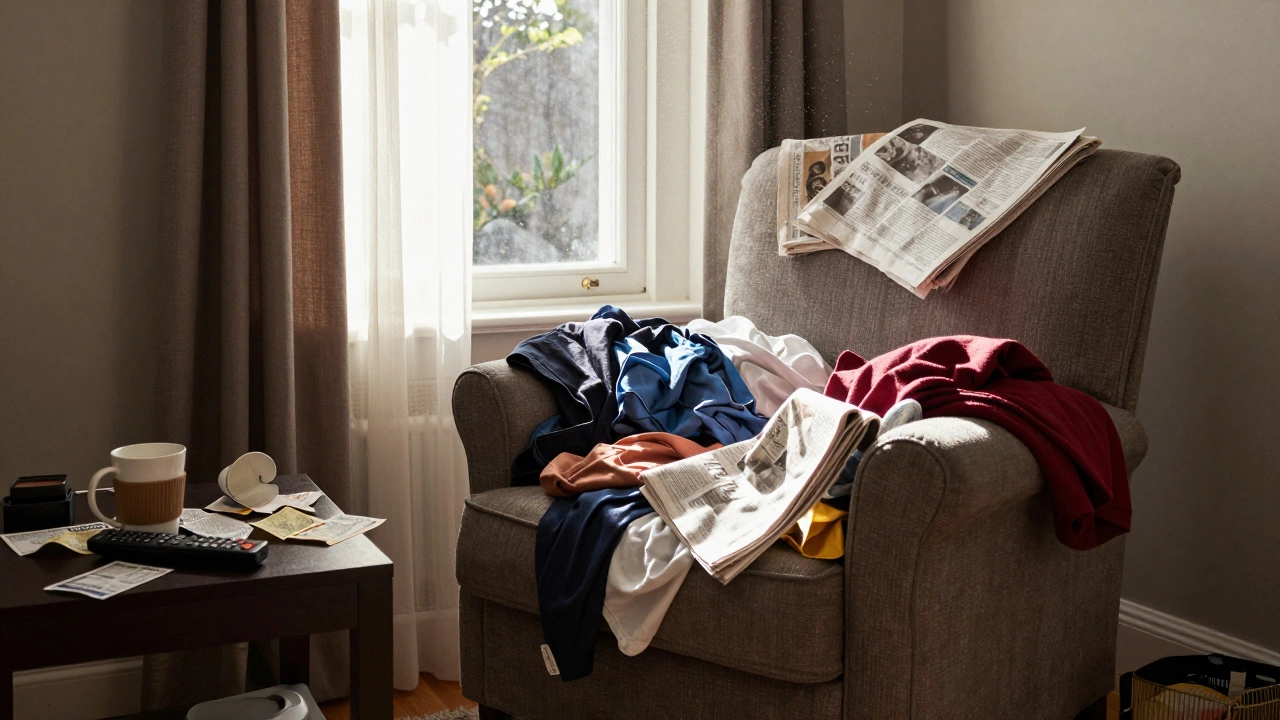
Staring at a pile of clothes on your chair or a kitchen counter buried under mail feels less like a chore and more like a personal attack. You know you need to clean, but the idea of sorting through years of accumulation makes you want to hide in another room. The good news is that declutter doesn't have to mean spending your entire weekend moving boxes from one corner to another. Speed comes from strategy, not just speed.
The fastest way to clear space isn't about organizing everything perfectly right now. It's about removing the visual noise so you can breathe again. When you lower the barrier to entry, you stop procrastinating and start acting. Here is how you can transform a chaotic space in under an hour without burning out.
The Power of the One-Bin Method
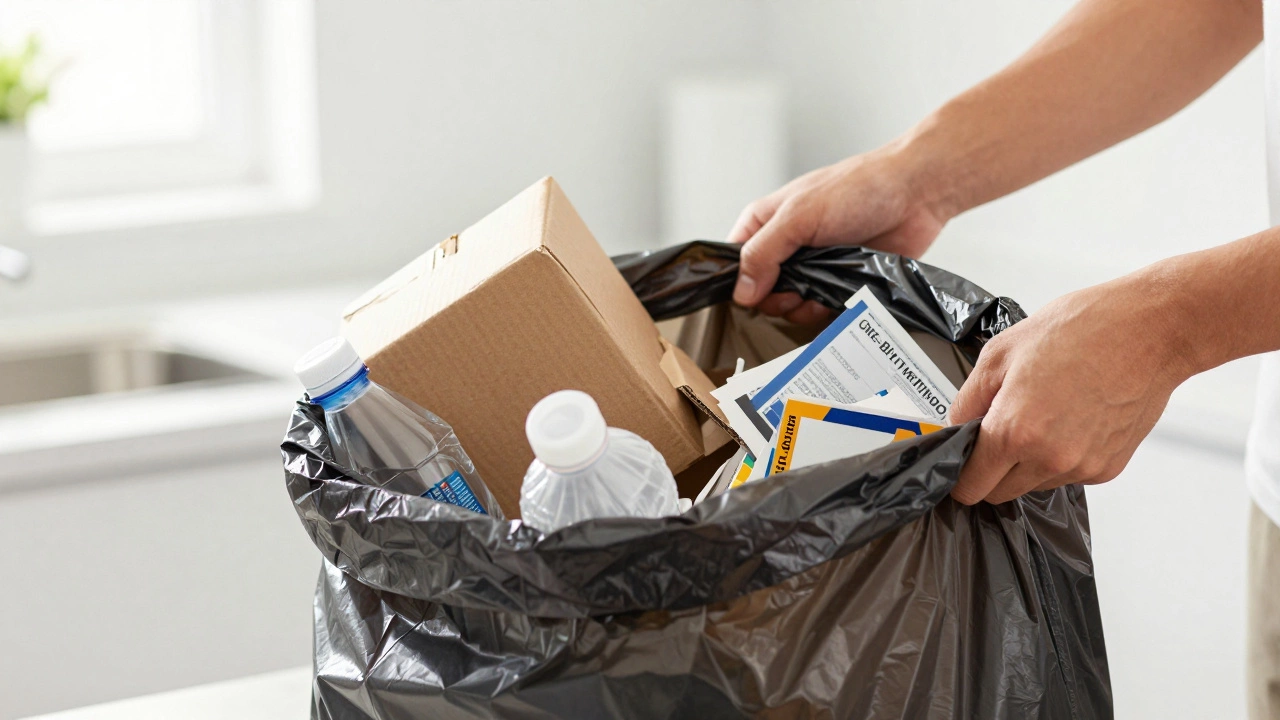
If you want results fast, forget about labeling bins for "keep," "donate," and "trash" initially. That takes too much mental energy. Instead, grab one large trash bag or a medium-sized bin. This is your only tool. Walk into the room you want to fix-let's say the living room-and pick up anything that clearly does not belong there. Broken remotes, old receipts, empty cups, and junk mail go straight into the bag. Do not look at them twice. If it’s trash, it goes in. If it’s broken beyond repair, it goes in. This immediate removal creates instant white space, which tricks your brain into feeling like progress has been made.
Why use only one bin instead of multiple?
Using multiple bins forces you to make complex decisions about where every item belongs, which slows you down. One bin allows for rapid disposal of obvious waste, creating momentum before you tackle harder choices.
Set a Hard Timer: The 15-Minute Sprint
Procrastination thrives on open-ended tasks. "I'll clean the garage sometime this week" usually means never. To beat this, set a timer for exactly fifteen minutes. Tell yourself that when the alarm rings, you stop working, no matter what. This removes the pressure of finishing the whole job. Often, once you start, you'll find the flow state kicks in, and you might want to continue, but the safety net of the timer makes starting less intimidating. Focus on one surface area during this sprint. Clear the dining table completely. Put away dishes, remove papers, and wipe it down. When the timer stops, take a photo of the clean surface. Seeing the before-and-after gives you a dopamine hit that fuels the next round.
The Floor Test: If It Doesn't Live There, Move It
A quick visual hack to declutter any room is the floor test. Look around the room and identify items that are sitting on surfaces but don't actually live there. A book on the nightstand that belongs in the study? Pick it up. Shoes by the front door that belong in the closet? Grab them. Create a "holding zone" in a hallway or spare room. Place all these misplaced items there. Your main room instantly looks 80% cleaner because the visual clutter is gone. You don't need to put them away permanently yet; just get them off the primary surfaces. This separates the task of cleaning (making it look tidy) from organizing (finding permanent homes), allowing you to achieve the former much faster.
| Technique | Time Required | Best For | Effort Level |
|---|---|---|---|
| One-Bin Method | 10-15 minutes | Removing obvious trash and junk | Low |
| 15-Minute Sprint | 15 minutes | Beating procrastination | Medium |
| Floor Test | 5-10 minutes | Visual tidiness in common areas | Low |
| Category Sorting | 30+ minutes | Closets and drawers | High |
Attack One Category, Not One Room
When you try to declutter an entire bedroom, you get overwhelmed by the variety of tasks: folding laundry, wiping mirrors, organizing books. Instead, pick one category across the house. Choose "papers." Go through every drawer, desk, and counter and pull out every piece of paper. Stack them in one place. Now you can quickly shred expired documents, file important ones, and recycle junk. By focusing on one type of object, you create a rhythm. Your brain stops having to switch contexts between different types of decisions. This method is particularly effective for digital decluttering as well. Spend twenty minutes deleting old screenshots from your phone gallery. The result is immediate storage space and a lighter device.
The "Does It Spark Joy" Shortcut
You've likely heard of Marie Kondo's method, but the full process is slow. Use a shortcut version: hold an item and ask, "Do I use this regularly?" If the answer is no, let it go. If you haven't used a kitchen gadget in six months, it probably won't be used in the next year. Be honest with yourself. We often keep things because we paid for them or because they were gifts, not because we need them. A quick rule of thumb: if you have to move three other items to store something new, you have too much stuff. Prioritize function over sentiment for non-sentimental items. Sentimental items should be curated carefully, perhaps limiting keepsakes to one small box per decade of life.
How do I handle sentimental items quickly?
Limit sentimental items to a specific container size, like one shoebox per decade. Take photos of larger items you can't keep, then donate or sell the physical objects. This preserves the memory without the physical bulk.
What if I feel guilty throwing things away?
Remind yourself that unused items occupy valuable space and mental energy. Donating them gives them a second life where someone else can benefit. Guilt often stems from attachment to the idea of the item, not its actual utility.
Digital Decluttering: The Invisible Clutter
Physical clutter stresses us out, but digital clutter drains our focus. Unsubscribe from email newsletters you never read. Delete apps you haven't opened in three months. Clear your desktop folder by moving files into dated archives. This takes ten minutes but significantly reduces daily distractions. A clean digital environment complements a clean physical one, reducing overall cognitive load. Just as you wouldn't leave dirty dishes in the sink, don't leave unread emails piling up in your inbox. Set up filters to automatically archive promotional content so your primary inbox remains a workspace, not a storage unit.
Maintain Momentum: The Daily Reset
The quickest way to declutter is also the best prevention for future messes. Implement a daily reset routine. Before bed, spend five minutes returning items to their designated homes. Put keys in the bowl, dishes in the dishwasher, and shoes in the rack. This prevents small accumulations from becoming large projects. Consistency beats intensity. Doing a little bit every day is far more sustainable than attempting a massive overhaul once a year. Over time, this habit becomes automatic, keeping your home perpetually tidy without significant effort.
Is it better to declutter room by room or category by category?
For speed, category-by-category is often faster because it creates decision-making momentum. However, room-by-room is better if you need immediate visual relief in a specific high-traffic area like the living room.
How often should I declutter?
Aim for a daily five-minute reset, a weekly thirty-minute deep clean of one area, and a seasonal review of closets and storage spaces. Regular maintenance prevents overwhelming buildup.
What are the biggest mistakes people make when decluttering?
Common mistakes include trying to do everything at once, being too hard on oneself for past hoarding, and buying organizational supplies before actually decluttering. Always remove excess items first, then organize what remains.
Can decluttering improve mental health?
Yes, studies show that clutter competes for neural processing, leading to stress and reduced focus. A tidy environment promotes calmness and productivity by reducing visual distractions and decision fatigue.
How do I start if my home is extremely messy?
Start with the smallest possible area, like a single drawer or a bedside table. Achieving a small win builds confidence and momentum. Avoid looking at the bigger picture initially; focus solely on the immediate task at hand.