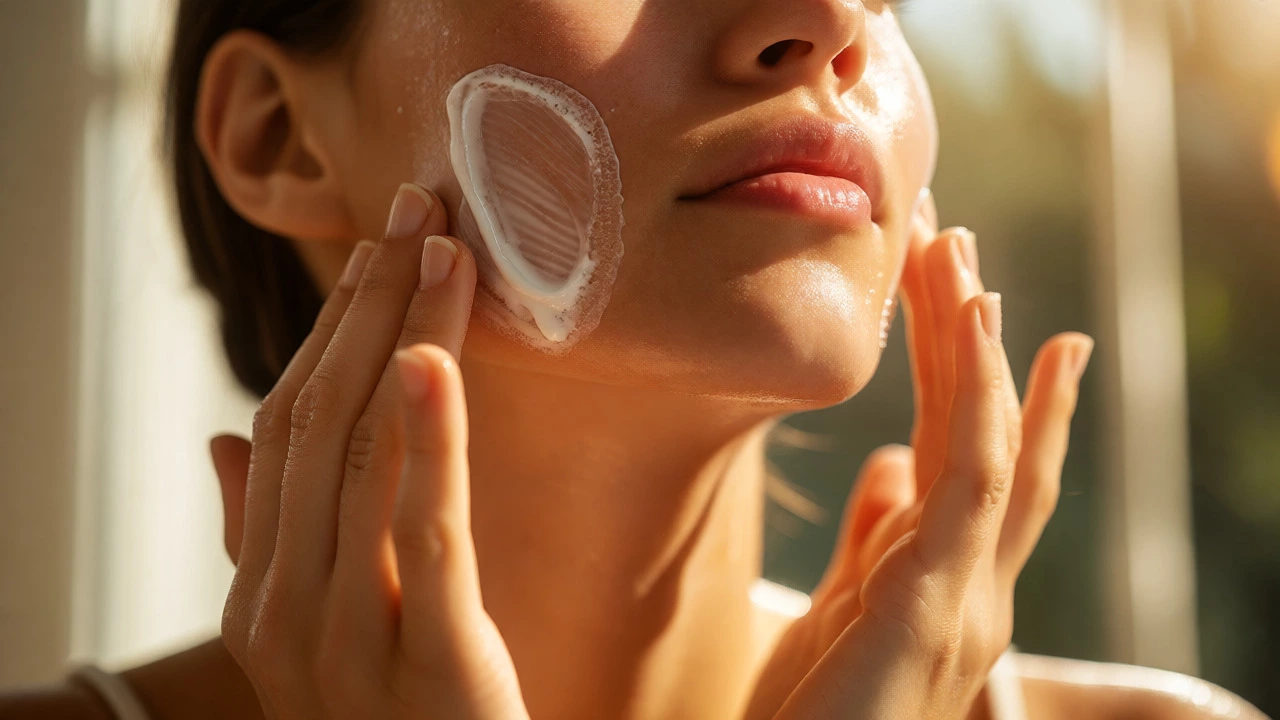
Daily Sun Protection Estimator
Find out how much UV damage you might be accumulating and learn the correct amount of sunscreen to apply for effective protection.
Ready to Calculate
Enter your details on the left to see your estimated UV exposure level and recommended sunscreen amount.
You’ve probably heard it a thousand times: "Cleanse, tone, moisturize." It’s the holy trinity of skincare routines plastered all over Instagram and TikTok. But if you’re asking what the actual first rule of skincare is, most dermatologists will tell you something different. It isn’t about the $50 serum or the trendy clay mask. It’s about sun protection. Specifically, wearing broad-spectrum sunscreen every single day, rain or shine.
Why does this matter so much? Because up to 90% of visible skin aging-wrinkles, dark spots, and loss of elasticity-is caused by UV exposure, not just time. If you spend hundreds on anti-aging creams but skip your SPF, you’re essentially pouring water into a leaking bucket. You’re fighting an uphill battle against the very thing causing the damage in the first place. This article breaks down why sun protection takes the throne, how to do it right, and how to build a routine that actually protects your skin barrier instead of stripping it bare.
Why Sun Protection Beats Everything Else
Let’s look at the biology. Your skin has a natural defense system called melanin, which absorbs UV radiation. But melanin has limits. When you exceed those limits, DNA damage occurs in skin cells. Over years, this accumulates. The result? Photoaging. Unlike chronological aging, which happens slowly and evenly, photoaging is aggressive and patchy. It creates deep wrinkles, leathery texture, and hyperpigmentation (those annoying dark spots).
In Durban, where I live, the UV index can hit extreme levels even in winter. We get intense sunlight year-round. If you think you only need sunscreen when you’re at the beach, you’re missing out on daily UVA rays that penetrate clouds and glass. UVA rays are the primary driver of premature aging because they reach deeper into the dermis than UVB rays (which cause burning). So, the first rule isn't just about avoiding cancer; it's about preserving your skin's structural integrity.
The Real Second Rule: Protecting the Skin Barrier
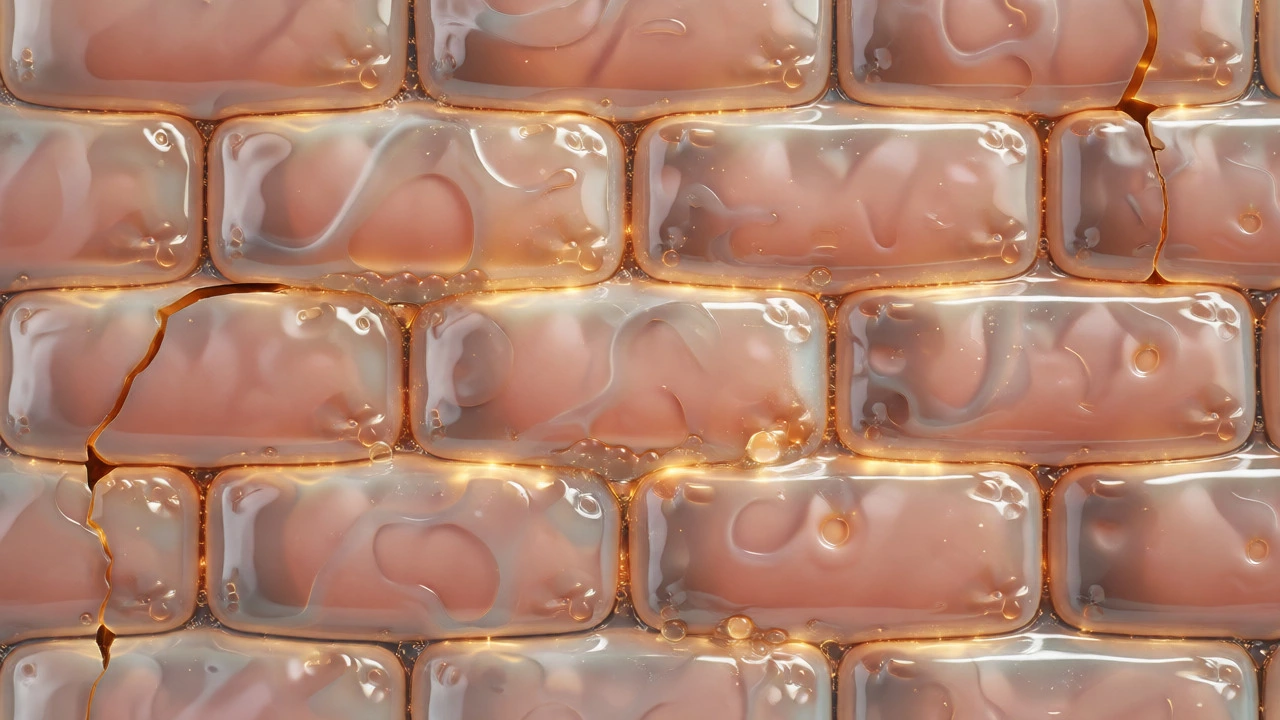
If sun protection is rule number one, protecting your skin barrier is rule number two. And honestly, these two go hand-in-hand. A compromised barrier makes you more sensitive to UV damage and less able to repair itself. What exactly is the skin barrier? Think of it as a brick wall. The bricks are your skin cells, and the mortar is made of lipids-ceramides, cholesterol, and fatty acids. This wall keeps moisture in and irritants out.
Many people ruin their barrier before they even start their fancy routine. They use harsh scrubs, high-concentration acids, or hot water for cleansing. This strips away the natural oils. When your barrier is broken, your skin becomes red, tight, and reactive. Suddenly, that nice retinol cream stings, and your moisturizer feels useless. To fix this, you need to simplify. Stop using ten different active ingredients at once. Stick to gentle cleansers and barrier-repairing moisturizers until your skin calms down. You can always add actives back later, but you can’t undo chronic inflammation easily.
Building a Routine That Actually Works
Now that we know the priorities, let’s build a routine. Forget the complicated 10-step Korean skincare trends if you’re just starting out. Start with three steps, but do them correctly.
- Cleanse Gently: Use a pH-balanced cleanser. If you have dry skin, opt for a creamy or milky formula. If you have oily skin, a gel-based cleanser works well. Avoid anything that leaves your skin feeling "squeaky clean"-that’s a sign you’ve stripped your natural oils.
- Treat Sparingly: This is where you might use vitamin C in the morning or retinol at night. But remember, less is more. Introduce one active ingredient at a time. Wait four weeks before adding another. This helps you identify what works and what causes breakouts.
- Moisturize and Protect: Apply a moisturizer suited to your skin type. Then, apply sunscreen. Yes, sunscreen goes last in the morning routine, over your moisturizer. At night, you skip the sunscreen and focus on repair with a richer moisturizer or treatment.
Consistency beats intensity. Applying a basic routine every day is far better than doing a complex mask session once a month. Your skin responds to regular care, not sporadic pampering.
Common Mistakes That Sabotage Your Skin
Even with good intentions, people make mistakes that undermine their efforts. Here are the big ones I see often, especially among friends here in South Africa who underestimate the sun.
- Skipping Neck and Hands: Your face gets attention, but your neck and hands age faster because they have thinner skin and fewer oil glands. Extend your sunscreen and moisturizer down to your chest and hands.
- Using Hot Water: Hot showers feel great, but they dissolve the lipid barrier. Wash your face with lukewarm water. Always.
- Over-Exfoliating: Physical scrubs with walnut shells or apricot pits create micro-tears in the skin. Chemical exfoliants like AHAs and BHAs are gentler and more effective, but don’t use them daily if you’re new to them. Twice a week is plenty for most people.
- Ignoring Indoor Light: Blue light from screens and windows contributes to pigmentation issues, especially in darker skin tones. Antioxidants like vitamin C help combat this oxidative stress.
How to Choose the Right Products
With thousands of products on the shelf, how do you choose? Ignore the marketing fluff. Look at the ingredient list. For hydration, look for hyaluronic acid, glycerin, and ceramides. For brightening, look for niacinamide or vitamin C. For anti-aging, retinoids are the gold standard. But here’s the catch: formulation matters. A cheap drugstore moisturizer with good ceramides often outperforms a luxury brand with questionable ingredients.
Also, consider your climate. In humid areas like Durban, heavy creams might clog pores. Gel-based moisturizers work better. In drier climates, you might need occlusives like petrolatum or squalane to lock in moisture. Adjust your routine seasonally. Your skin changes with the weather, so your products should too.
| Ingredient | Primary Benefit | Best Time to Use |
|---|---|---|
| Sunscreen (SPF 30+) | Prevents UV damage and aging | Morning (Daily) |
| Vitamin C | Brightens and protects against free radicals | Morning |
| Retinol | Boosts cell turnover and reduces wrinkles | Night |
| Hyaluronic Acid | Hydrates and plumps skin | Morning or Night |
| Niacinamide | Strengthens barrier and controls oil | Morning or Night |
Adjusting for Your Specific Skin Type
No two faces are alike. What works for your friend might cause breakouts for you. Here’s how to tweak the rules for common skin types.
Oily/Acne-Prone Skin: You still need sunscreen, but choose a non-comedogenic, matte-finish formula. Look for "oil-free" labels. Avoid heavy occlusives like shea butter during the day. Niacinamide is your best friend-it regulates sebum production without drying you out.
Dry/Mature Skin: Prioritize hydration and barrier repair. Use richer creams with ceramides and peptides. You might tolerate lower concentrations of retinol better if mixed with moisturizer. Don’t skip oils; squalane or jojoba oil can provide essential fatty acids.
Sensitive Skin: Keep it simple. Fragrance-free is non-negotiable. Patch test everything new. Avoid alcohol denat in toners. Focus on soothing ingredients like centella asiatica or oat extract. Sun protection is critical, but physical sunscreens (zinc oxide/titanium dioxide) are often better tolerated than chemical ones.
The Long Game: Consistency Over Perfection
Skincare isn’t a sprint; it’s a marathon. You won’t see results overnight. Retinol takes 8-12 weeks to show significant changes. Sunscreen prevents future damage, which you won’t see for decades. That’s why consistency is key. Make it a habit tied to existing routines. Apply sunscreen while your coffee brews. Cleanse your face while brushing your teeth. Small habits stick.
Remember, the goal isn’t perfect, poreless skin-that’s mostly a filter illusion. The goal is healthy, resilient skin that functions well. By mastering the first rule of skincare-sun protection-and respecting your barrier, you’re investing in your skin’s future. You’ll thank yourself in ten years.
Do I really need sunscreen if I stay indoors?
Yes, especially if you sit near windows. UVA rays penetrate glass and contribute to aging and pigmentation. Additionally, blue light from screens can affect some skin types. Wearing a lightweight SPF indoors offers low-effort protection against cumulative damage.
Can I mix sunscreen with my moisturizer?
It’s generally better to apply them separately. Mixing them can dilute the SPF factor, meaning you don’t get the full protection advertised. Apply moisturizer first, let it absorb, then apply sunscreen as the final step. If you’re in a rush, look for a moisturizer with built-in SPF, but ensure you apply enough to cover your face and neck adequately.
Is a higher SPF always better?
Not necessarily. SPF 30 blocks about 97% of UVB rays, while SPF 50 blocks about 98%. The difference is minimal. However, people tend to underapply higher SPFs, thinking they’re fully protected. The key is applying enough (about two finger-lengths for the face) and reapplying every two hours if exposed. SPF 30 is sufficient for daily wear if applied correctly.
What is the correct order of skincare products?
Apply products from thinnest to thickest consistency. Generally: Cleanser -> Toner (optional) -> Serum/Treatment -> Eye Cream -> Moisturizer -> Sunscreen (AM). At night, replace sunscreen with a heavier night cream or facial oil. This ensures each layer penetrates properly without blocking subsequent products.
How often should I exfoliate?
For most skin types, 1-2 times a week is sufficient. Over-exfoliation damages the skin barrier, leading to sensitivity and breakouts. If you have sensitive skin, limit it to once a week or avoid physical scrubs entirely in favor of mild chemical exfoliants. Listen to your skin-if it feels tight or looks shiny/waxy, you’re doing too much.