Daily Food Safety & Nutrition Score
Select up to 3 foods you plan to eat today to see their combined safety score and get personalized tips.
You open the fridge, stare at the shelves, and wonder: what can I actually eat today without worrying about my health? We live in an era of conflicting advice. One week, eggs are bad for your heart; the next, they’re a superfood. One day, gluten is poison; the other, it’s harmless if you’re not celiac. It’s exhausting trying to keep up.
But here’s the thing: there isn’t one single "magic bullet" food that is universally safe for every human being on Earth. If you have a nut allergy, almonds aren’t safe. If you’re lactose intolerant, milk is out. However, when we talk about safest food in terms of low toxicity, high nutrient density, minimal processing risks, and broad tolerability, certain foods stand head and shoulders above the rest.
We’re looking for foods that won’t spike your blood sugar dangerously, won’t carry heavy pesticide loads, won’t trigger common allergies, and provide essential nutrients without requiring complex preparation. This guide breaks down the top contenders based on nutritional science, safety profiles, and practicality for daily consumption.
The Criteria for "Safety" in Daily Foods
Before we name names, let’s define what makes a food "safe" for everyday eating. Safety isn’t just about avoiding food poisoning. It’s a multi-layered concept involving:
- Allergenic Potential: How likely is this food to cause an immune response? Lower is better for general population safety.
- Toxic Load: Does it accumulate heavy metals (like mercury or lead) or pesticides?
- Nutritional Balance: Does it offer more good than bad? High sugar or saturated fat content might make something "unsafe" for daily overconsumption.
- Digestive Tolerance: Can most people digest it without bloating, gas, or discomfort?
- Processing Level: Ultra-processed foods often contain additives that some studies link to long-term health issues.
With these filters applied, we can identify foods that sit comfortably in the "green zone" for nearly everyone.
Oats: The Undisputed Champion of Breakfast Safety
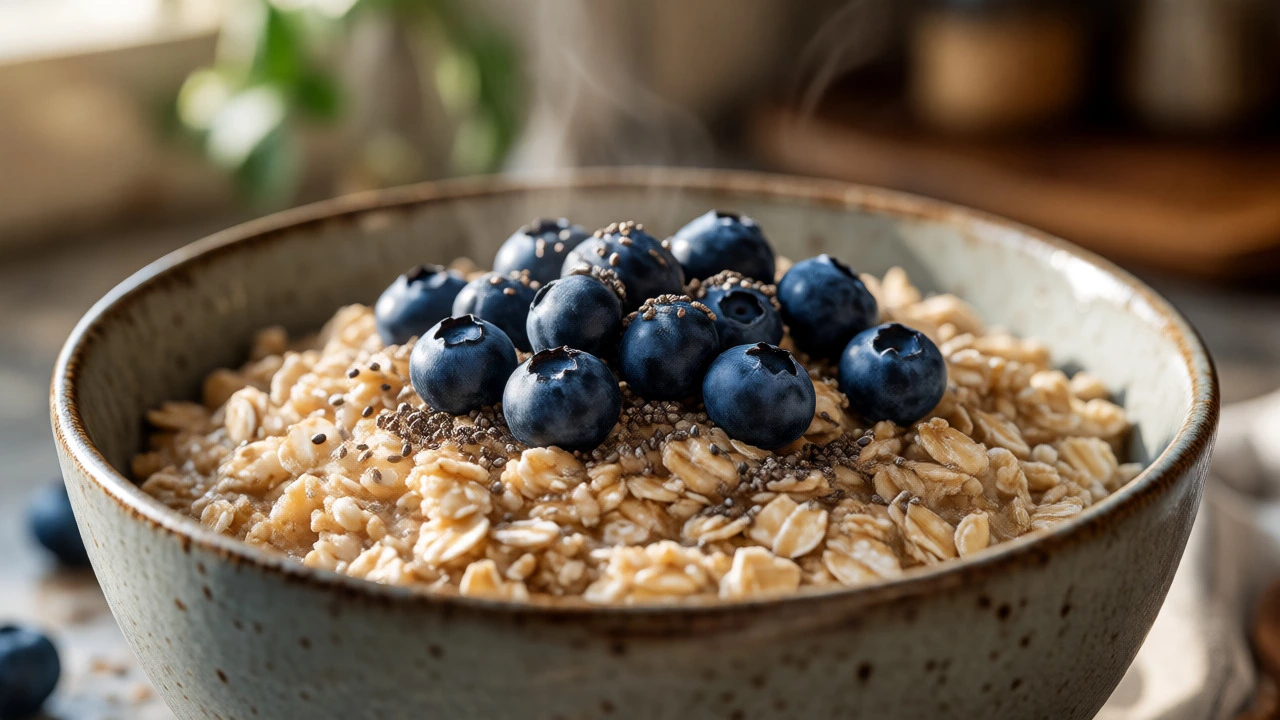
If you had to pick one food that balances safety, nutrition, and accessibility, plain oats would be the winner. Oats are a whole grain cereal that has been a dietary staple for centuries. Unlike wheat, oats are naturally gluten-free (though cross-contamination is possible), making them safer for those with mild sensitivities. More importantly, they contain beta-glucan, a type of soluble fiber that helps regulate cholesterol and blood sugar levels.
Why are they so safe? First, they are rarely allergenic. Second, they don’t carry significant pesticide residues compared to fruits like strawberries or grapes. Third, they require minimal cooking, reducing the risk of undercooking hazards found in meats or beans.
How to eat them safely: Stick to steel-cut or rolled oats. Avoid instant oatmeal packets loaded with added sugars and artificial flavors. Pair them with water or unsweetened almond milk. Add berries for antioxidants without adding heavy calories.
Bananas: The Perfect Portable Snack
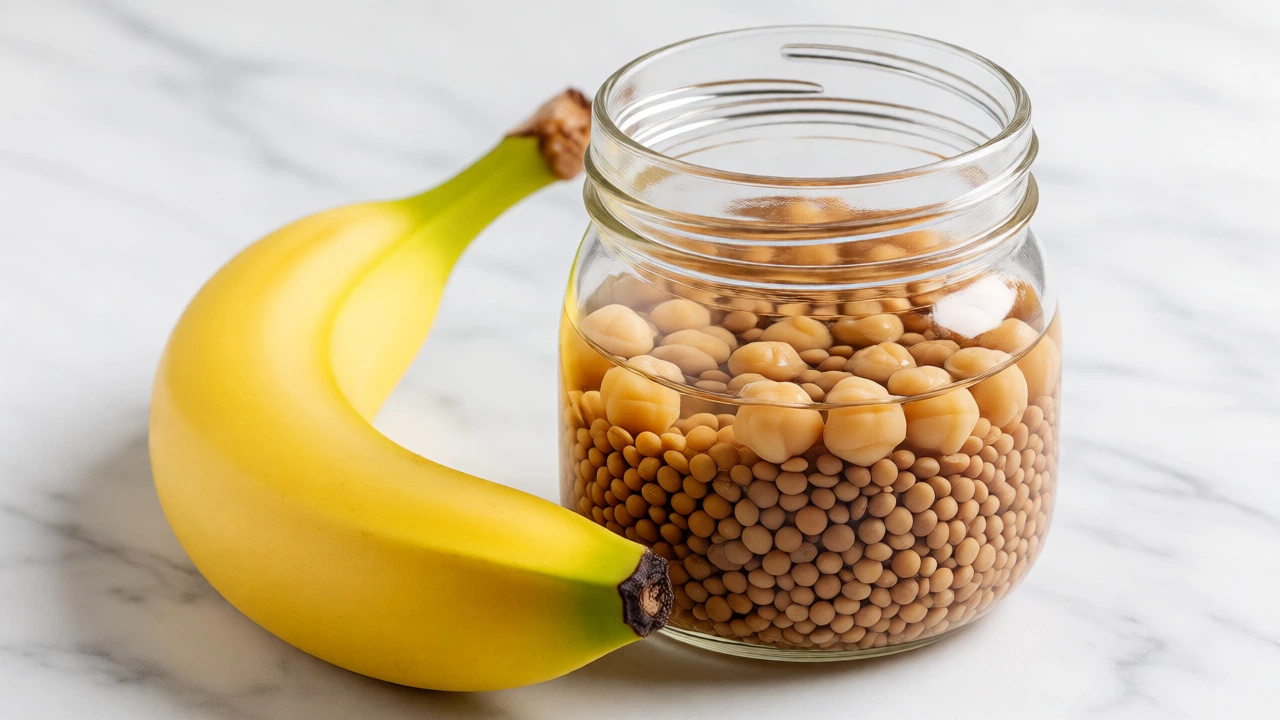
Bananas are arguably the safest fruit to eat daily. They come in their own biodegradable packaging, which protects the flesh from contaminants and pests during transport. This natural barrier means bananas typically have lower pesticide residue than apples or peaches, even when conventionally grown.
Nutritionally, bananas are rich in potassium, vitamin B6, and vitamin C. For most people, they are easy to digest and provide quick energy. Are there downsides? Yes, but minor. Overripe bananas have higher sugar content, which matters if you’re diabetic. Green bananas are harder to digest due to resistant starch. But for the average person, a ripe banana is a near-perfect snack.
| Food Item | Allergy Risk | Pesticide Load | Nutrient Density | Digestibility |
|---|---|---|---|---|
| Oats | Low (if certified GF) | Low | High (Fiber, Manganese) | High |
| Bananas | Very Low | Low (peeled) | Medium (Potassium, Vit B6) | Very High |
| Eggs | Moderate (common allergen) | Low | Very High (Protein, Choline) | High |
| Leafy Greens | Very Low | Variable (wash well) | Extremely High | Moderate (can cause gas) |
Eggs: Nutrient Powerhouse with Caveats
Eggs are one of the most nutritious foods on the planet. A single large egg contains about 6 grams of protein, all nine essential amino acids, and choline, which is critical for brain health. Yet, calling them "safe" requires nuance.
First, eggs are a common allergen, particularly in children. If you’re unsure, introduce them slowly. Second, there’s the cholesterol debate. Recent guidelines suggest dietary cholesterol doesn’t impact blood cholesterol as much as previously thought for most people, but hyper-responders should still moderate intake. Third, safety involves handling. Raw or undercooked eggs carry a risk of Salmonella. Always cook eggs thoroughly-boiled, scrambled, or fried until whites are set.
For daily consumption, limit yourself to one or two eggs. Pair them with vegetables to balance the meal. Choose pasture-raised eggs if possible; they tend to have higher omega-3 fatty acid content and fewer antibiotics.
Leafy Greens: Spinach and Kale
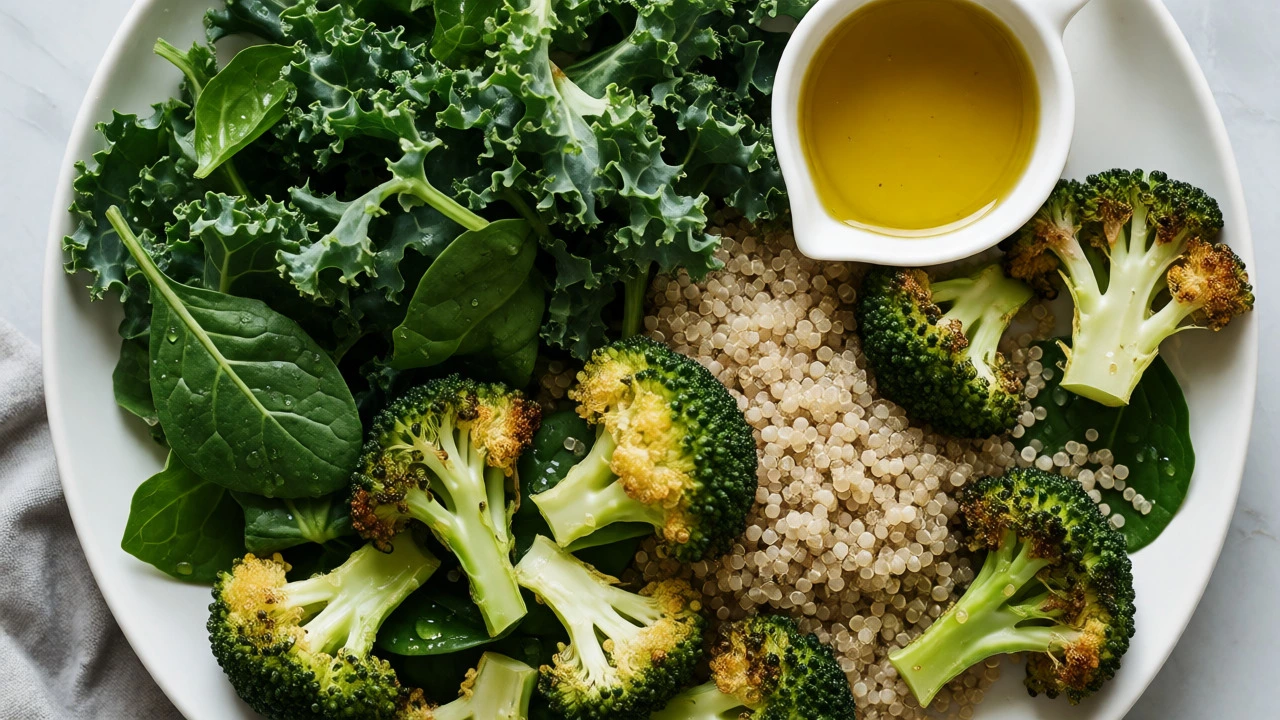
You cannot talk about healthy eating without mentioning leafy greens. Spinach and kale are packed with vitamins A, C, and K, plus iron and calcium. They are incredibly low in calories, meaning it’s hard to "overeat" them in a way that causes weight gain.
The main safety concern here is contamination. Leafy greens are often cited in outbreaks of E. coli and Listeria because they grow close to the ground and are consumed raw. To mitigate this, always wash them thoroughly. Soaking them in a vinegar-water solution (1 part vinegar to 3 parts water) for five minutes before rinsing can reduce bacterial load significantly.
Another consideration is oxalates. Spinach is high in oxalates, which can contribute to kidney stones in susceptible individuals. If you have a history of kidney stones, rotate your greens. Swap spinach for romaine lettuce or Swiss chard occasionally to vary your mineral intake.
Legumes: Lentils and Chickpeas
Legumes are affordable, shelf-stable, and incredibly nutritious. Lentils, in particular, are safe for daily consumption for most people. They are high in plant-based protein, fiber, and folate. Unlike red meat, legumes do not carry the same cardiovascular risks associated with saturated fats.
The downside? Digestion. Legumes contain oligosaccharides, complex sugars that humans can’t fully digest. Gut bacteria ferment these, producing gas. If you’re new to eating lentils daily, start with small portions and increase gradually. Soaking dried lentils overnight before cooking reduces the gas-causing compounds and improves nutrient absorption.
Canned lentils are convenient but often high in sodium. Rinse them thoroughly under cold water to remove excess salt. This simple step makes them much safer for heart health.
Foods to Approach with Caution
Not everything marketed as "healthy" is safe for daily consumption. Here are three common culprits:
- Tuna: While delicious and protein-rich, tuna accumulates mercury. Eating it every day can lead to mercury buildup, especially in larger species like Albacore. Stick to smaller fish like sardines or mackerel for daily options, or limit tuna to twice a week.
- Rice: Rice absorbs arsenic from soil more readily than other grains. Brown rice has more arsenic than white rice because the bran holds the toxin. If you eat rice daily, vary your grains. Mix rice with quinoa, barley, or millet to dilute exposure.
- Fruit Juice: Many people think juice is a safe way to get vitamins. In reality, it’s concentrated sugar without the fiber. Drinking orange juice daily can spike insulin and damage teeth enamel. Eat the whole fruit instead.
Building Your Daily Safe Plate
You don’t need to eat only one food. Variety is key to long-term health. Here’s a simple template for a safe daily diet:
- Breakfast: Oatmeal with berries and a sprinkle of chia seeds.
- Lunch: Large salad with mixed greens, chickpeas, cucumber, and olive oil dressing.
- Snack: A banana or an apple (washed well).
- Dinner: Grilled chicken or tofu with steamed broccoli and quinoa.
This combination covers protein, healthy fats, fiber, and micronutrients while minimizing exposure to high-risk toxins and allergens.
Hydration: The Forgotten Safety Factor
No discussion of safe eating is complete without mentioning water. Dehydration affects cognitive function, digestion, and kidney health. Tap water in many cities is safe, but if you live in an area with old pipes, consider using a filter to remove lead and chlorine byproducts. Aim for 2-3 liters a day, adjusting for activity level and climate.
In Durban, where the humidity can be high, staying hydrated is crucial. Don’t wait until you’re thirsty. Thirst is a late signal of dehydration. Keep a reusable bottle with you and sip consistently throughout the day.
Common Myths About Daily Foods
Myth 1: All fruits are safe to eat unlimited amounts.
False. Fruit contains fructose. While natural, excessive fructose can stress the liver and raise triglycerides. Limit high-sugar fruits like mangoes and grapes if you’re watching your carb intake.
Myth 2: Organic is always safer.
Organic produce avoids synthetic pesticides, but it can still harbor bacteria if not washed properly. Also, organic farming sometimes uses copper sulfate, which can accumulate in soil. Washing all produce, organic or not, is the best safety practice.
Myth 3: Supplements replace real food.
Your body processes nutrients differently from whole foods versus pills. You miss out on fiber and phytonutrients when relying solely on supplements. Whole foods remain the safest and most effective source of nutrition.
Is it really okay to eat eggs every day?
For most healthy adults, yes. Current research suggests that eating up to one egg per day does not increase heart disease risk for the general population. However, individuals with diabetes or familial hypercholesterolemia should consult their doctor and may need to limit intake to 3-4 eggs per week.
Which fruit is the safest to eat daily?
Bananas are often considered the safest due to their protective peel, which minimizes pesticide contact and bacterial contamination. Berries are also excellent choices, provided they are washed thoroughly to remove potential mold spores and dirt.
Are oats gluten-free?
Pure oats are naturally gluten-free. However, they are often processed in facilities that handle wheat, barley, and rye, leading to cross-contamination. If you have celiac disease or severe gluten sensitivity, look for oats labeled "certified gluten-free."
Can I eat rice every day?
You can, but it’s wise to vary your grains. Rice tends to absorb more arsenic from the soil than other crops. Mixing rice with other grains like quinoa, millet, or barley reduces cumulative exposure and provides a broader range of nutrients.
What is the most dangerous food to eat daily?
Processed meats like bacon, sausages, and deli slices are among the riskiest for daily consumption. They are classified as Group 1 carcinogens by the WHO due to nitrates and smoking processes. High-sugar beverages and ultra-processed snacks also pose significant long-term health risks.
Final Thoughts on Sustainable Eating
The safest food isn’t just about biology; it’s about sustainability. Can you afford it? Can you prepare it easily? Do you enjoy it? If you hate oats, forcing yourself to eat them daily will fail. Find a rotation that works for your lifestyle.
Start with one change. Maybe swap your morning sugary cereal for oatmeal. Or add a handful of spinach to your lunch. Small, consistent steps toward safer foods yield bigger results than drastic, short-lived diets. Listen to your body. If something makes you feel sluggish or bloated, adjust. There’s no shame in experimenting to find what truly works for you.