England Trip Budget & Savings Estimator
Plan your first trip to England with confidence. This tool estimates key expenses based on the article's data, helping you decide when to book and where to stay.
Planning a trip to England can feel like trying to solve a puzzle where half the pieces are missing. You’ve got images of red phone booths and castles in your head, but the reality involves confusing train stations, strict visa rules, and a weather forecast that changes every ten minutes. Whether you’re flying from Johannesburg or just starting to dream about it, getting the logistics right saves you money and stress.
Quick Summary / Key Takeaways
- Visa Check: South Africans need a Standard Visitor Visa; apply at least 3 weeks before departure.
- Transport: Book National Rail tickets in advance via Trainline or directly with operators like LNER or GWR for up to 60% savings.
- Accommodation: Central London is expensive; consider staying in Zone 2-3 (like Hackney or Clapham) for better value.
- Currency: The UK uses Pounds Sterling (£). Cards work everywhere, but carry £50 cash for small vendors.
- Best Time: May-June offers long daylight hours; September-October has fewer crowds and mild weather.
Do You Need a Visa?
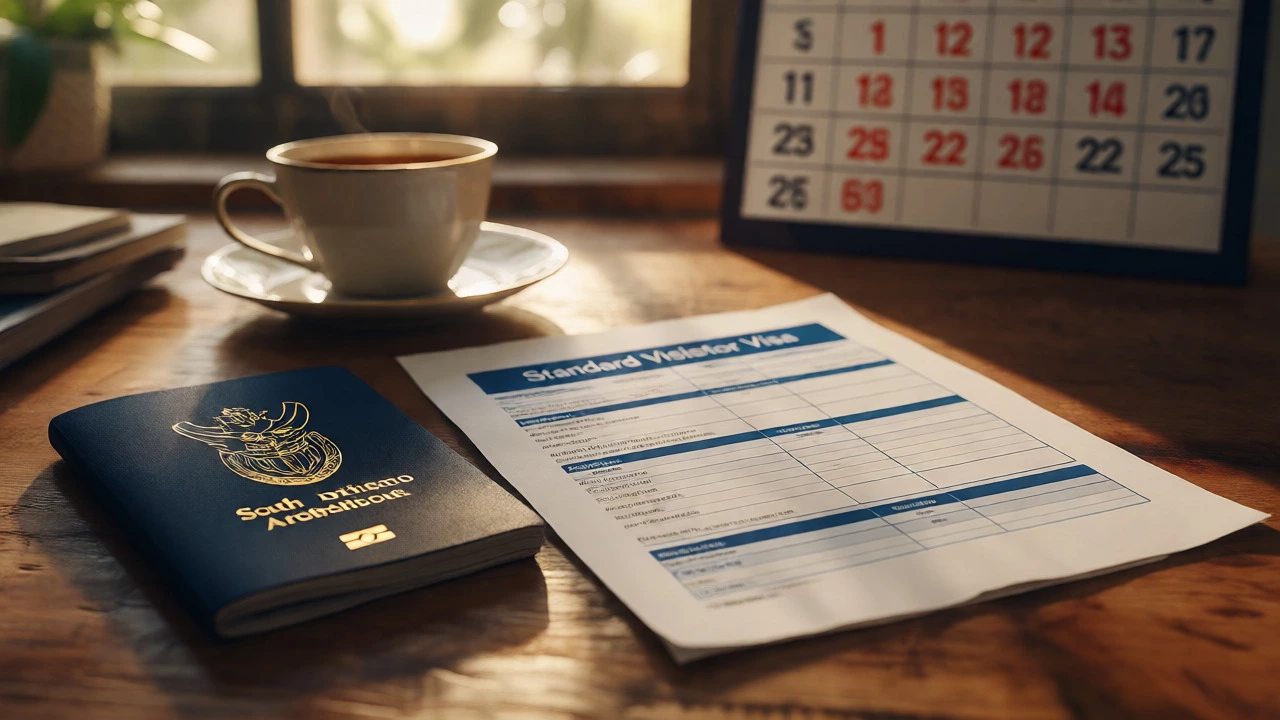
This is the first hurdle. If you hold a South African passport, you cannot just show up at Heathrow and walk through immigration. You need a Standard Visitor Visa. This isn’t a formality you can rush. The processing time varies wildly depending on the season. In peak summer months, it can take three weeks or more. I always recommend applying as soon as you have confirmed flight dates. Do not book non-refundable hotels until you see that visa sticker in your passport.
The application process is online via the UK government website. It’s straightforward but requires attention to detail. You’ll need proof of funds-bank statements showing you can afford the trip-and evidence of ties to home, like a job letter or property deeds. They want to know you’ll leave. If you’ve traveled to other major countries before, include those stamps; it helps build trust. One common mistake? Underestimating the cost. The visa fee itself is around £115, plus service center fees if you go to VFS Global in Durban or Cape Town. Budget for this upfront.
When Should You Go?
England doesn’t have a single "best" month. It depends on what you want. Summer (July-August) is warm, but it’s also when everyone else decides to visit. Prices for flights and hotels spike by 40-50%. Plus, popular spots like the Lake District or Stonehenge become packed with tour buses.
If you prefer quieter streets and lower prices, aim for the shoulder seasons. Late April to June is fantastic. The days are long-sunset can be past 9 PM-which means more time for sightseeing. The countryside is green and blooming. Alternatively, September and early October offer crisp air and beautiful autumn colors, especially in places like the Cotswolds. Just pack layers. Even in July, a cold rain shower can drop temperatures by 10 degrees in an hour. An umbrella is useless in wind; get a good waterproof jacket instead.
Getting Around Without Losing Your Mind
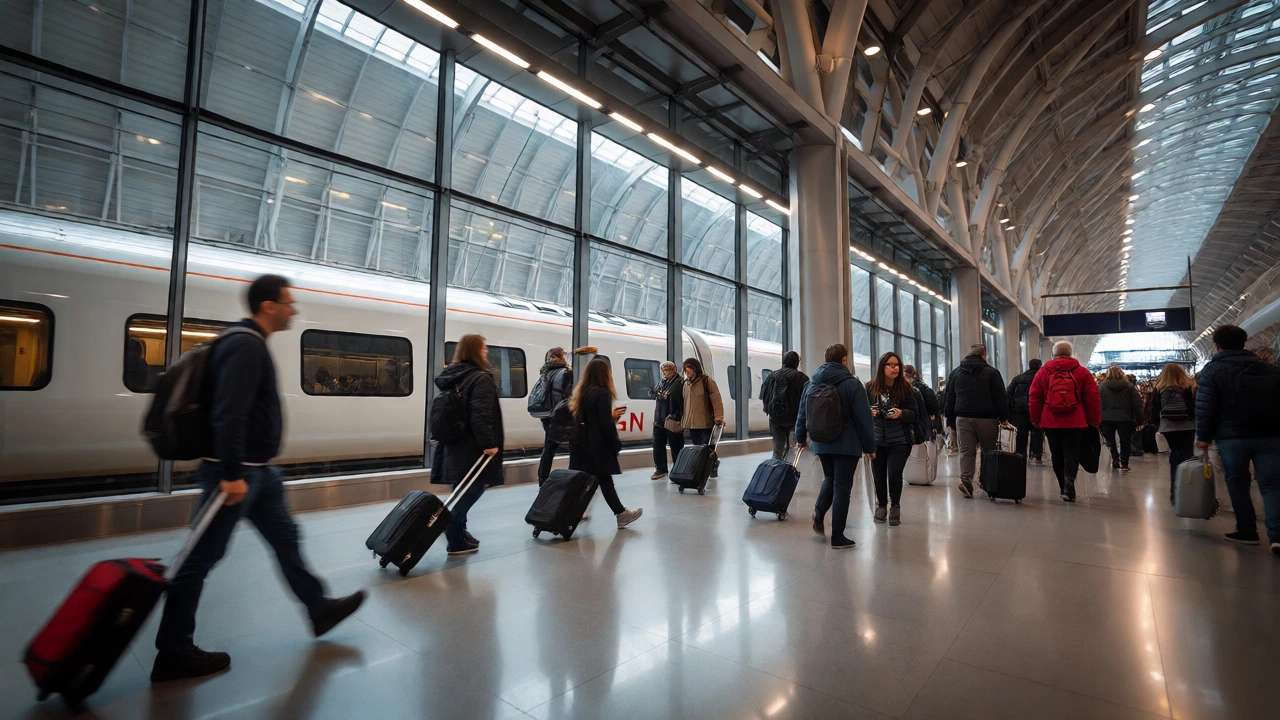
Public transport in England is efficient but complex. For intercity travel, trains are king. The network covers most major cities, including London, Manchester, Edinburgh (technically Scotland, but often part of the same trip), and Bristol. However, ticket pricing is dynamic. Buying a ticket on the day of travel can cost triple what it would if booked two months ahead.
Use apps like Trainline or compare options on National Rail Enquiries. Look for "Advance" tickets. These are fixed-price fares released 12 weeks before departure. Once they sell out, prices jump. Also, consider a railcard if you’re under 26 or over 60, or traveling as a couple (Two Together Railcard). It costs about £30 but pays for itself after one long journey.
| Destination | Train Duration | Advance Fare (Approx.) | On-the-Day Fare (Approx.) |
|---|---|---|---|
| Brighton | 1 hr | £15 - £25 | £35+ |
| Oxford | 1 hr | £18 - £30 | £45+ |
| Manchester | 2 hrs 15 mins | £40 - £70 | £120+ |
| Edinburgh | 4 hrs 20 mins | £60 - £90 | £180+ |
Inside London, don’t rent a car. Traffic is terrible, parking is scarce, and congestion charges apply. Instead, use the Tube. Get an Oyster card or simply tap your contactless bank card at the gates. Daily caps ensure you never pay more than a certain amount per day, regardless of how many trips you make. It’s seamless and much cheaper than taxis.
Where to Stay: Beyond the Tourist Traps
London accommodation is notoriously expensive. Staying near Big Ben or Westminster sounds romantic, but you’ll pay a premium for noise and crowds. Look at neighborhoods slightly outside the center. Areas like Shoreditch, Hackney, or Brixton offer great vibes, excellent food scenes, and direct tube links to central sights. A decent double room here might cost £120-£150 per night, compared to £250+ in Zone 1.
If you’re visiting outside London, think differently. In cities like York or Bath, boutique guesthouses often provide more character and local advice than chain hotels. Many include breakfast, which saves time and money. Always check reviews for "noise levels." English buildings are old, meaning thin walls and street noise. If you’re a light sleeper, ask for a room away from the street.
Eating and Drinking Like a Local
Forget the idea that English food is bad. That reputation died years ago. Yes, you should try fish and chips, but do it right. Avoid places with photos of food in the window. Look for small, independent shops with lines of locals. The batter should be crispy, not greasy, and the fish flaky. Pair it with mushy peas, not baked beans, unless you really love sugar.
For a proper sit-down meal, pubs are your best friend. Sunday Roast is a cultural institution. Most pubs serve it between noon and 4 PM. Order it with gravy, Yorkshire pudding, and roast potatoes. It’s hearty and affordable, usually £12-£18. Tipping isn’t mandatory in pubs since you order at the bar, but rounding up is polite. In restaurants, 10-12.5% is standard if service isn’t included.
Vegetarians and vegans will find plenty of options now. From Indian curries (which are practically the national dish) to modern vegan cafes in London, dietary restrictions are rarely a problem. But watch out for hidden dairy in sauces. Always ask.
Packing for Unpredictable Weather
You don’t need heavy winter gear unless you’re going in January. But you do need layers. Think t-shirts, a fleece or jumper, and a waterproof shell. Shoes are critical. You will walk miles. Break in your walking shoes before you fly. Blistered feet ruin holidays faster than anything else.
Plug adapters are essential. The UK uses Type G plugs with three rectangular pins. Bring two or three; you’ll need them for phones, cameras, and hairdryers. Also, bring a reusable water bottle. Tap water in England is safe and high quality. Refilling saves you buying bottled water constantly.

Common Pitfalls to Avoid
One big mistake is trying to see too much. England looks small on a map, but train journeys take time. Trying to do London, Paris, and Rome in ten days leaves you exhausted. Pick two or three bases and explore deeply. Maybe London for four days, then a week in the countryside like the Cotswolds or Cornwall.
Another trap is ignoring museum booking requirements. Major sites like the Tower of London or Westminster Abbey require timed entry slots, especially in summer. Book these weeks in advance. Walk-ins are rare and risky. Also, respect queuing culture. Cutting in line is a social crime. Wait patiently, even if the line seems slow.
Finally, don’t rely solely on Google Maps for directions in rural areas. Signage can be vague. Have offline maps downloaded. Cell signal drops in valleys and hills. And remember, left-hand traffic. Pedestrians look right, then left. It takes practice. Don’t rush across the road; wait for the green man.
Frequently Asked Questions
Is England expensive for tourists?
Yes, generally speaking, England is more expensive than South Africa, particularly in London. Accommodation and dining in the capital can drain budgets quickly. However, you can manage costs by using public transport, eating at pubs rather than fine-dining restaurants, and staying in hostels or budget hotels outside the city center. Outside London, prices drop significantly, making regions like the North East or Wales more affordable.
Do I need to tip in England?
Tipping is not compulsory but appreciated. In restaurants, if a service charge isn't added to the bill, leaving 10-12.5% is standard. In pubs, you don't tip when ordering at the bar, but you might round up your change. Taxi drivers expect a small tip, usually rounding up to the nearest pound. Hotel porters and housekeeping appreciate small cash tips (£2-£5).
What is the best way to travel from London to Edinburgh?
The train is the most scenic and comfortable option, taking about 4 hours and 20 minutes on the LNER service. It’s fast and connects city centers directly. Flying is quicker in the air but adds time for airport transfers and security. Driving takes longer due to traffic and tolls. For most travelers, the train offers the best balance of speed, comfort, and views.
Can I use my South African credit card everywhere?
Yes, Visa and Mastercard are widely accepted across England. Contactless payments are universal, even for small purchases like coffee. American Express is less commonly accepted in smaller shops and pubs. Inform your bank you’re traveling to avoid fraud alerts. Carry some cash for markets or older establishments that might not take cards.
Is it safe to walk alone at night in London?
London is generally safe, even at night, especially in central tourist areas. Stick to well-lit main roads and busy areas. Avoid quiet parks or isolated streets late at night. Use licensed black cabs or Uber if you’re tired. As with any major city, stay aware of your surroundings and keep valuables secure.
Do I need international driving permit if I rent a car?
South African license holders do not strictly need an International Driving Permit (IDP) to drive in the UK for short visits, as long as their license is in English. However, some rental companies may request it or refuse cars without it. Getting an IDP is cheap and quick, so it’s worth doing to avoid potential hassles at the counter.
Next Steps for Your Adventure
Start by checking your passport validity. It must be valid for the entire duration of your stay. Then, block off dates for your visa appointment. Once that’s done, set a rough budget. Look at flight prices for your desired months. Flexibility with dates can save hundreds of Rands. Finally, pick your top three 'must-see' locations. Build your itinerary around them, leaving space for spontaneity. England rewards those who wander. You might stumble upon a village fair or a hidden pub that becomes the highlight of your trip. Enjoy the planning-it’s the first step of the adventure.