Which Meal Should You Skip?
Select the option that best describes your current situation to find out which meal-skipping strategy might work best for you.
I am hungry in the morning
I need food to start my day or I feel weak/irritable.
I'm not hungry until noon
I can easily drink coffee/water and wait until midday to eat.
Evenings are social/busy
I often eat dinner with family, have late meetings, or enjoy night snacks.
I prefer early nights
I go to bed early, don't like eating before sleep, or want better sleep quality.
Why this works for you:
Your Strategy:
Quick Tips
- Prioritize protein (30-40g) in remaining meals.
- Drink water when hunger hits.
- Keep busy during the skipped window.
Here is the hard truth: you don’t need to skip a specific meal to lose weight. You just need to eat fewer calories than you burn. However, skipping one meal can be a powerful tool to help you hit that number without feeling hungry all day. But which one?
If you are looking for a shortcut, you might think there is a magic window where your body burns fat faster. Science says otherwise. Your body doesn't care if you eat at 8 AM or 8 PM; it cares about the total energy balance over 24 hours. That said, skipping dinner often works best for most people because it aligns with how our bodies process food and sleep.
The Myth of the "Most Important" Meal
We have been told for decades that breakfast is the most important meal of the day. This idea was largely pushed by cereal companies in the mid-20th century. While breakfast does kickstart your metabolism after a night of fasting, it isn't biologically superior to lunch or dinner for weight loss.
When you skip a meal, you are essentially practicing a form of time-restricted eating. The goal is to compress your eating window so you naturally consume less food. For many, this removes the guesswork from portion control. Instead of counting every crumb, you simply remove one opportunity to overeat.
However, not all meals are created equal when it comes to nutrient density. If you skip a meal, you must ensure the remaining two meals are packed with protein, fiber, and healthy fats. Otherwise, you will end up starving, bingeing later, and losing muscle mass instead of fat.
Why Skipping Dinner Is Usually the Best Bet
For the majority of people, skipping dinner (or making it very light) is the most effective strategy for weight loss. Here is why:
- Insulin Sensitivity: Our bodies are more insulin sensitive in the morning. This means we handle carbohydrates better earlier in the day. Eating heavy carbs at night can lead to higher blood sugar spikes and more fat storage while you sleep.
- Digestion and Sleep: Digestion requires energy. Eating a large meal right before bed forces your body to work overtime, which can disrupt deep sleep. Poor sleep leads to increased hunger hormones (ghrelin) the next day, creating a vicious cycle.
- Social Reality: Most people already eat a substantial lunch at work. Skipping dinner allows you to enjoy a hearty breakfast and lunch, then finish early. It fits well with social schedules too, as you can still join friends for an early evening walk or coffee without breaking your fast.
If you choose to skip dinner, aim to finish your last meal by 6 PM or 7 PM. This gives your body a 12-to-16-hour window to digest and tap into stored fat reserves overnight.
The Case for Skipping Breakfast (Intermittent Fasting)
Skipping breakfast is the foundation of the popular 16:8 intermittent fasting method. You fast for 16 hours and eat within an 8-hour window (e.g., 12 PM to 8 PM). This approach has massive scientific backing and works well for many.
Why does it work? Because it’s easy. Most people wake up, grab coffee, and aren't truly hungry until noon. By waiting, you avoid the mindless snacking that often happens in the morning-like grabbing a pastry on the way to work or eating sugary cereal out of habit.
However, there is a catch. If you skip breakfast but then gorge yourself on processed foods during your lunch and dinner windows, you won't lose weight. In fact, some studies suggest that people who skip breakfast may crave high-calorie, low-nutrient foods later in the day to compensate for the perceived deprivation.
This method is ideal for people who:
- Don't feel hungry in the morning.
- Have busy mornings and no time to cook.
- Prefer larger dinners due to social or family obligations.
Why Skipping Lunch Is Risky
Skipping lunch is generally the hardest option to sustain. Why? Because lunch falls right in the middle of your active day. By 1 PM or 2 PM, your blood sugar levels drop, and your energy crashes. Without food, you likely face brain fog, irritability, and a lack of focus.
This energy dip often leads to poor decision-making. You might reach for a vending machine snack, a sugary coffee, or a large fast-food meal later because you are ravenous. The psychological stress of being hungry during work hours can also increase cortisol levels, which is linked to belly fat storage.
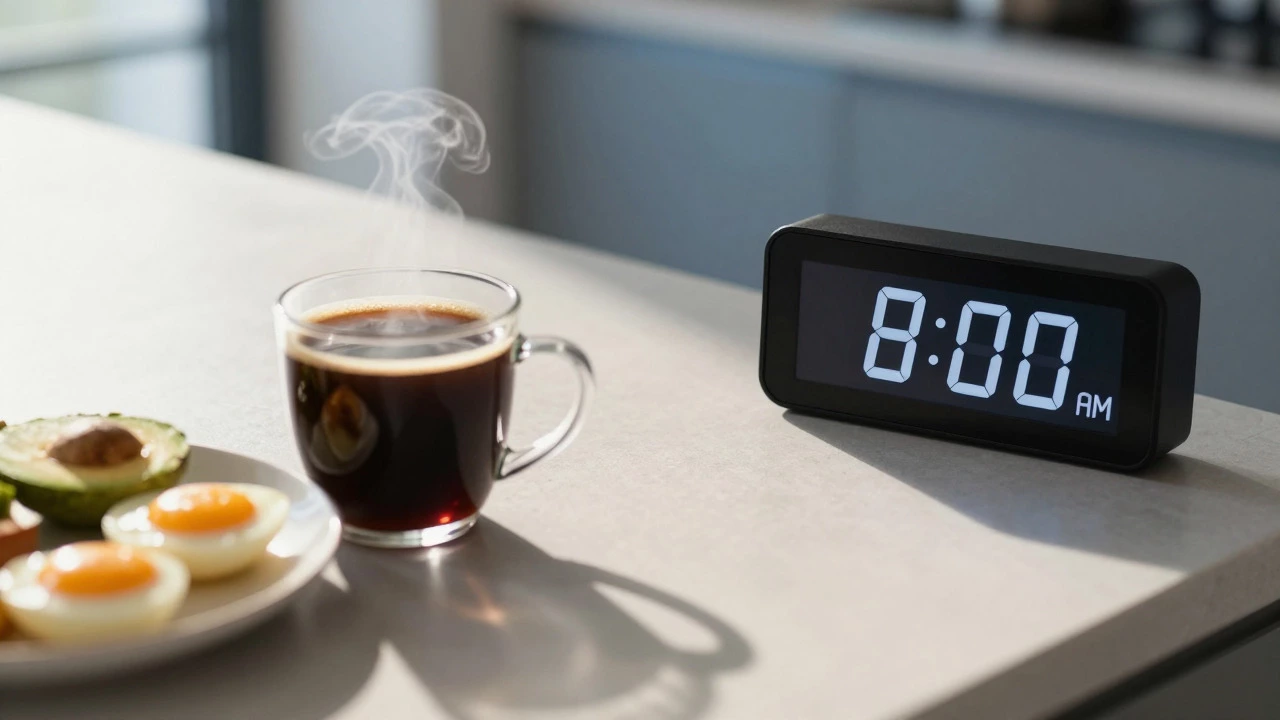
If you must skip lunch, make sure your breakfast is extremely filling. Think eggs, avocado, and whole-grain toast. You need slow-digesting proteins and fats to keep you satiated until dinner. Even then, this strategy usually only works for short periods or on days with low physical activity.
How to Skip a Meal Without Sabotaging Yourself
Deciding to skip a meal is easy. Sticking to it without ruining your progress is harder. Here is how to do it safely:
- Prioritize Protein: In the meals you do eat, aim for 30-40 grams of protein per sitting. Protein is the most satiating macronutrient. It keeps you full longer and protects your muscle mass while you lose fat.
- Drink Water: Thirst is often mistaken for hunger. When you feel the urge to eat during your skipped meal window, drink a large glass of water or herbal tea first. Wait 15 minutes. Often, the craving will pass.
- Keep Busy: Hunger pangs come in waves. They peak and then subside. Distract yourself with work, a hobby, or a walk. Don't sit around thinking about food.
- Listen to Your Body: If you feel dizzy, shaky, or excessively weak, break your fast. Health comes first. You can always try again tomorrow.
Comparison: Which Meal Should You Skip?
| Meal Skipped | Difficulty Level | Best For | Main Risk |
|---|---|---|---|
| Dinner | Medium | Better sleep, lower insulin spikes | Social events, evening hunger |
| Breakfast | Easy | Morning productivity, simplicity | Overeating at lunch/dinner |
| Lunch | Hard | Short-term calorie cuts | Energy crash, afternoon snacking |
Common Mistakes to Avoid
One major mistake is treating the skipped meal as a free pass to eat junk during other meals. If you skip dinner but spend the rest of the day eating chips and soda, you are not losing weight. You are just shifting when you eat.
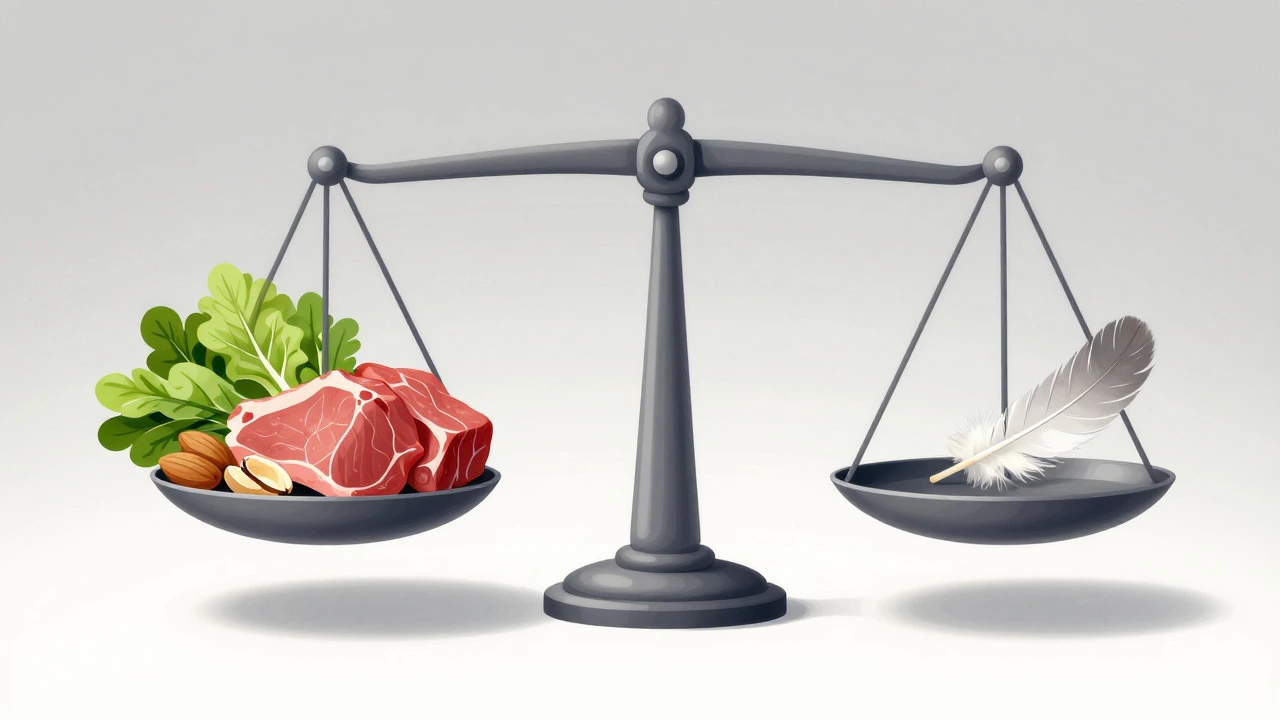
Another error is under-eating in the long run. Consistently undereating can slow down your metabolism. Your body adapts to lower energy intake by burning fewer calories at rest. This is why focusing on nutrient-dense whole foods is critical. You want to feed your body what it needs, just in a shorter timeframe.
Also, beware of the "all or nothing" mindset. If you miss a day and eat three meals, don't give up. Consistency over weeks matters more than perfection in a single day.
Who Should Not Skip Meals?
While skipping meals works for many, it isn't for everyone. You should probably stick to three balanced meals if you:
- Have a history of disordered eating or anorexia.
- Are pregnant or breastfeeding.
- Take medication that requires food to prevent stomach upset.
- Are an athlete training intensely multiple times a day.
- Have diabetes or blood sugar regulation issues (unless advised by a doctor).
For these groups, frequent, smaller meals or consistent timing helps maintain stable energy levels and prevents health complications.
Final Thoughts on Finding Your Rhythm
There is no single correct answer to "what meal should I skip." It depends on your lifestyle, hunger cues, and goals. Some people thrive on late-night snacks and prefer skipping breakfast. Others feel sluggish after heavy dinners and prefer an early cutoff.
Experiment for two weeks. Try skipping dinner for a week, then switch to skipping breakfast for the next. Track your weight, energy levels, and mood. The best diet is the one you can stick to without misery. If skipping dinner makes you happy and energetic, do that. If it makes you irritable and tired, try something else.
Is it bad to skip meals for weight loss?
Not necessarily. Skipping meals can be an effective way to reduce calorie intake and practice intermittent fasting. However, it is important to ensure that the meals you do eat are nutrient-dense. Skipping meals can be harmful if it leads to binge eating later or if you are prone to disordered eating patterns.
Which meal is least important for weight loss?
From a purely caloric perspective, no meal is "least important." However, many experts suggest that dinner is the easiest meal to skip or lighten up because it aligns with natural circadian rhythms and improves sleep quality. Breakfast is also commonly skipped in intermittent fasting protocols.
Does skipping breakfast boost metabolism?
Contrary to popular belief, skipping breakfast does not significantly boost metabolism. Metabolism is primarily driven by total daily energy expenditure and muscle mass. While intermittent fasting (which often involves skipping breakfast) can aid weight loss, it is due to reduced calorie intake, not a metabolic spike.
Can I lose weight by skipping dinner?
Yes, skipping dinner can help you lose weight if it results in a calorie deficit. Many people find that they naturally eat less when they stop eating early in the evening. Additionally, finishing meals earlier can improve sleep quality, which supports weight management.
How many hours should I go between meals?
A common recommendation for intermittent fasting is an 8-to-12 hour eating window, meaning you fast for 12 to 16 hours. For example, if you eat from 10 AM to 6 PM, you are fasting for 16 hours. Listen to your body's hunger signals and adjust the window as needed.