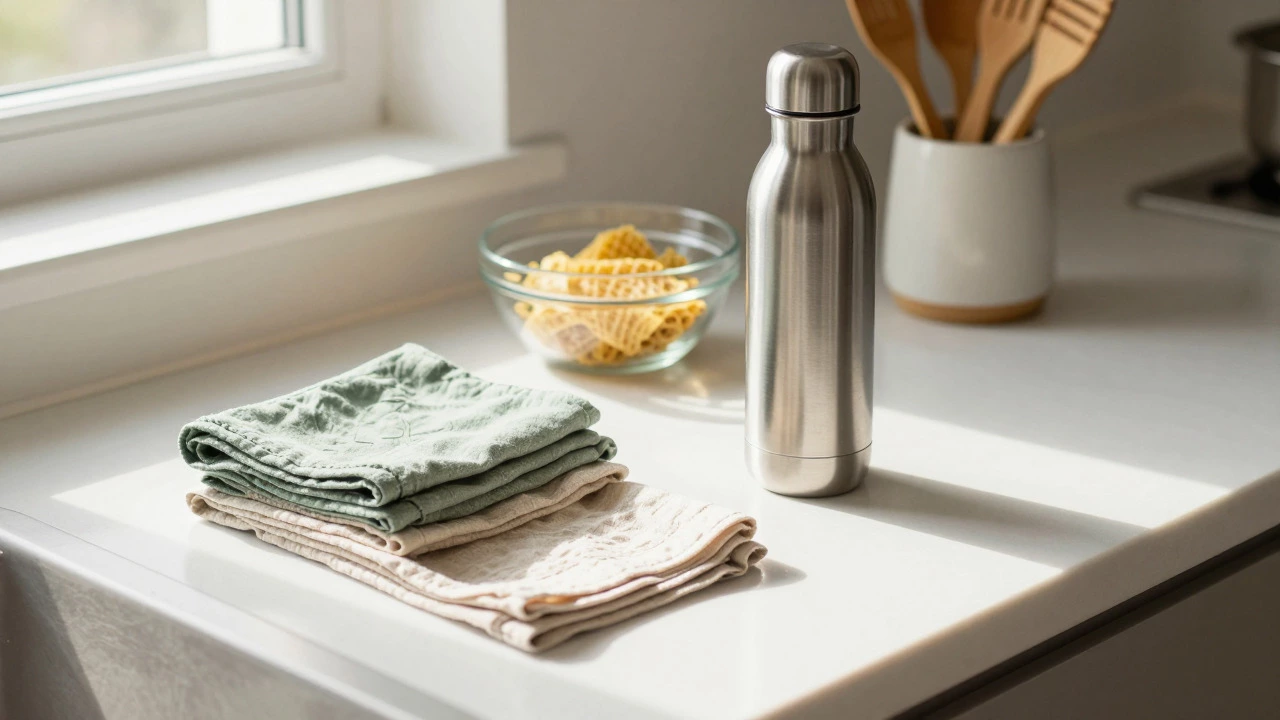
Eco-Friendly Swap Calculator
Select the sustainable swaps you are currently using or plan to make below to see your potential annual savings and environmental impact.
Reusable Water Bottle
KitchenReplaces single-use plastic bottles.
Cotton Dish Cloths
KitchenReplaces paper towels.
Beeswax Wraps
KitchenReplaces plastic cling film.
Solid Shampoo Bar
BathroomReplaces liquid shampoo bottles.
Toothpaste Tablets
BathroomReplaces plastic toothpaste tubes.
Refillable Cleaners
CleaningConcentrated pods instead of new bottles.
Wool Dryer Balls
LaundryReplaces chemical dryer sheets.
Walking down the aisle of a typical supermarket can feel like a minefield. On one hand, you want to support brands that care about the planet. On the other, half the shelves are packed with items labeled "green" or "natural" that turn out to be just marketing fluff. This is known as greenwashing, the practice of making misleading claims about the environmental benefits of a product. If you’ve ever bought a reusable bag made from recycled plastic that still sheds microplastics, you know how confusing it gets.
The good news? There are plenty of genuine eco-friendly products that actually reduce your carbon footprint without forcing you to live in a cave. We’re talking about everyday swaps for your kitchen, bathroom, and home office that save money in the long run and keep less trash in landfills. Here’s a breakdown of what works, what doesn’t, and where to start if you’re feeling overwhelmed by the choices.
Kitchen Swaps That Actually Work
Your kitchen is usually the biggest source of household waste. A few simple changes here have a massive impact on your daily routine. Start with the basics: stop buying bottled water. A standard stainless steel bottle costs about $15 upfront but replaces hundreds of single-use plastic bottles over its lifetime. Brands like Klean Kanteen or S’well offer durable options that last for years, not months.
Next, look at your dishwashing habits. Paper towels are a hidden environmental cost because they require cutting down trees and using significant energy to produce. Switching to cotton dish cloths, reusable cleaning rags made from organic cotton or bamboo fiber cuts this waste significantly. You can wash them in the laundry and use them for years. It’s a small habit change, but it adds up fast when you consider how many paper towels an average family goes through in a week.
- Beeswax wraps: These replace plastic cling film for covering leftovers. They’re compostable at the end of their life and can be used dozens of times.
- Bamboo utensils: Great for camping or picnics, but also useful at home. Just avoid putting them in the dishwasher if you want them to last longer.
- Cast iron cookware: Unlike non-stick pans that degrade and release chemicals, cast iron lasts a lifetime with proper care. It’s heavy, yes, but incredibly durable.
Bathroom Essentials Without the Plastic
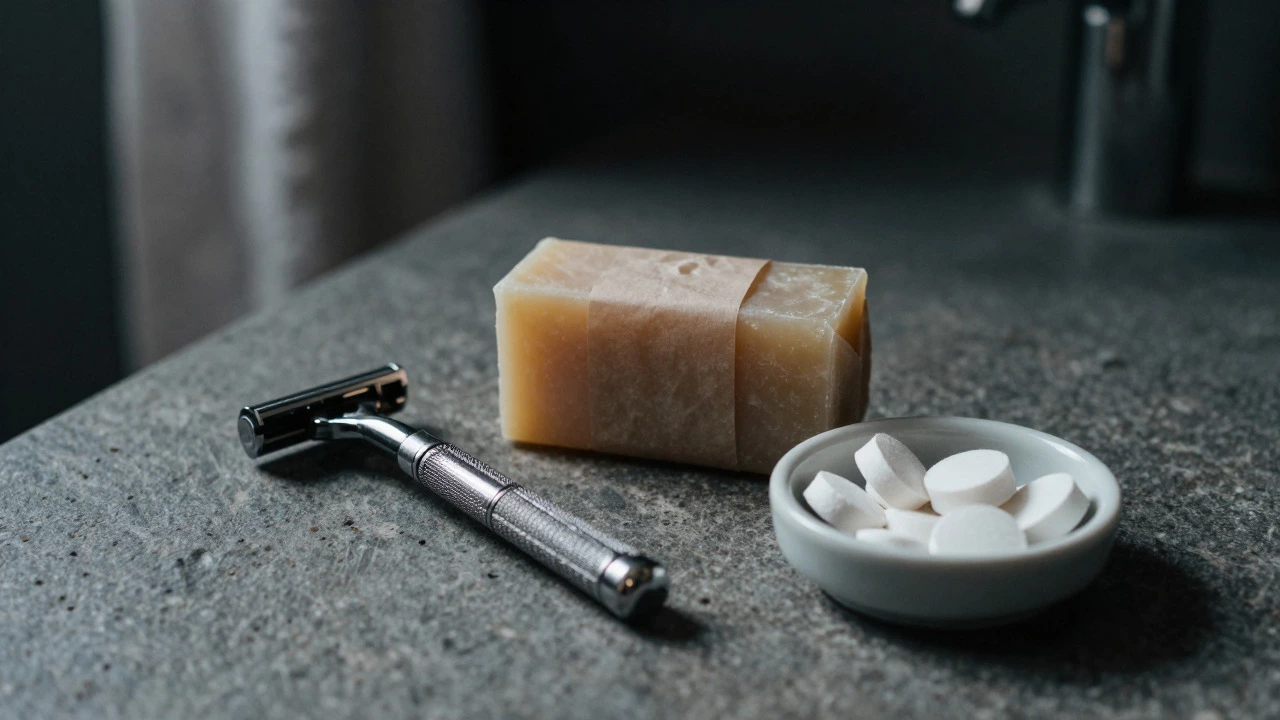
The bathroom is another hotspot for single-use plastics. Think about how many plastic tubes, bottles, and wrappers end up in the bin every month. The shift here is moving toward bar formats and refillable containers. Solid shampoo bars are a prime example. They come in cardboard packaging, weigh almost nothing (great for travel), and often contain fewer preservatives than liquid versions. One bar typically equals two or three bottles of liquid shampoo.
Toothpaste tablets are another rising star. Instead of squeezing paste from a plastic tube, you chew a tablet and brush. No plastic waste, no messy cap, and easy to store. While the texture takes some getting used to, most people find it effective within a week. For those who hate the idea of chewing toothpaste, there are also aluminum tubes with recyclable caps available now.
| Traditional Item | Eco-Friendly Alternative | Environmental Benefit | Cost Impact |
|---|---|---|---|
| Plastic shampoo bottle | Solid shampoo bar | Eliminates plastic container; lighter shipping weight | Higher upfront, lower long-term |
| Plastic toothpaste tube | Toothpaste tablets | No plastic packaging; concentrated formula | Comparable per use |
| Paper towels | Cotton dish cloths | Reduces tree usage and landfill waste | One-time purchase saves money monthly |
| Disposable razors | Stainless steel safety razor | Reusable handle; biodegradable blades | Higher initial cost, cheaper blades long-term |
Home Cleaning: Ditch the Chemicals
Commercial cleaning sprays often come in plastic bottles filled with water and synthetic fragrances. You’re basically paying for the bottle and the scent, not the cleaner itself. Vinegar and baking soda are old-school solutions for a reason. White vinegar cuts grease and kills bacteria, while baking soda scrubs surfaces without scratching. Mixing these into spray bottles you already have creates a versatile all-purpose cleaner.
If you prefer ready-made options, look for brands that use concentrated refills. Instead of buying a new bottle every time, you buy a small pod or powder and mix it with water in your existing container. This reduces plastic waste by up to 80% compared to traditional liquid cleaners. Companies like Ecover or Method have started offering these systems, though local bulk stores are often even better for reducing packaging entirely.
Don’t forget about laundry. Microfibers from synthetic clothes shed into waterways during washing. Using a microfiber-catching filter in your washing machine or switching to natural fibers like wool and cotton helps. Wool dryer balls also replace chemical-laden dryer sheets. They tumble with your clothes to reduce drying time and soften fabrics naturally.
Personal Care: Less Is More
Skincare routines don’t need ten steps to be effective. In fact, simplifying your routine often means buying fewer products, which is inherently more eco-friendly. Look for multi-purpose items. A gentle cleanser that removes makeup and dirt does the job of two separate products. Similarly, a moisturizer with SPF protects your skin from sun damage without needing a separate sunscreen layer.
When choosing personal care products, check the ingredient list for red flags. Parabens, sulfates, and phthalates aren’t necessarily toxic to humans in small doses, but they’re hard to break down in the environment. Plant-based alternatives are generally easier for nature to process. Local brands often have a smaller carbon footprint due to shorter supply chains, so supporting local makers is a smart move if quality matches national brands.
How to Spot Greenwashing
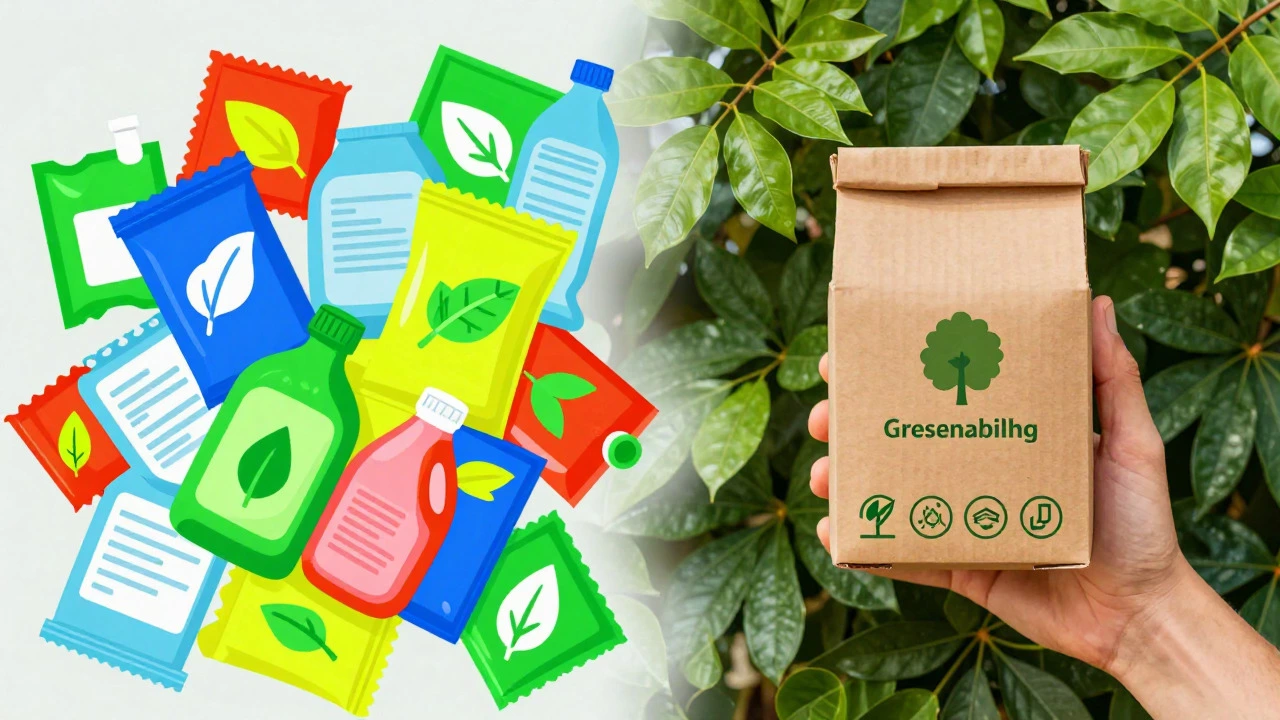
Not every product with a leaf on the label is truly sustainable. To avoid being fooled, look for specific certifications rather than vague terms. Terms like "natural," "organic," or "eco-conscious" are often unregulated. Instead, look for third-party verified labels:
- USDA Organic: Ensures no synthetic pesticides or GMOs were used in agriculture.
- FSC Certified: Guarantees wood or paper products come from responsibly managed forests.
- Energy Star: Indicates appliances meet strict energy efficiency guidelines set by the EPA.
- Leaping Bunny: Confirms the product is cruelty-free and not tested on animals.
Also, pay attention to the packaging. If a product is sold in a thick plastic box with multiple layers of wrapping, it’s likely not as eco-friendly as advertised. True sustainability considers the entire lifecycle, including how the product is shipped, stored, and disposed of. If the company doesn’t share details about its supply chain, ask questions. Transparency is a key sign of a genuine commitment to sustainability.
Getting Started Without Overwhelm
You don’t need to throw away everything you own and start from scratch. That approach rarely sticks. Instead, swap one category at a time. Start with the item you use most frequently. If you drink five cups of coffee a day, invest in a good mug. If you shower every morning, switch to a solid shampoo bar first. Small wins build momentum.
Keep a mental note of what works for you. Some people love the simplicity of bar soap, while others miss the lather of liquid. Both are valid. The goal isn’t perfection; it’s progress. By making conscious choices, you reduce waste, support ethical businesses, and contribute to a healthier planet. And honestly, once you try a few of these swaps, you might never go back. Your wallet and the environment will thank you.
Are eco-friendly products always more expensive?
Not necessarily. While some specialized items have a higher upfront cost, many become cheaper over time. Reusable items like cloth bags, bottles, and cleaning cloths eliminate recurring expenses. Bulk buying concentrates also lowers the cost per use. The initial investment is often offset by savings within six to twelve months.
What is the easiest eco-friendly swap to make?
Switching to a reusable water bottle is widely considered the easiest and most impactful change. It requires no learning curve, costs little, and immediately stops the purchase of hundreds of single-use plastic bottles. It’s a low-effort, high-reward action that sets the tone for other sustainable habits.
Do I need to buy everything from eco-brands?
No. Sustainability is about reducing waste, not buying exclusively from green companies. Using what you already have until it breaks is often more sustainable than buying a new "eco