Build Your Superfood Plate
Select one food from each category below to build your ideal weight-loss plate.
Protein (1/4 Plate)
Veggies/Fruits (1/2 Plate)
Healthy Fats (Thumb)
Your Plate Summary
Select foods above to see your plate breakdown.
Nutritional Stats
You’ve probably seen them everywhere. From glossy magazine covers to Instagram reels, superfoods are touted as the magic bullet for shedding pounds without giving up flavor. But here’s the truth that most influencers won’t tell you: no single food burns fat on its own. Not really.
Weight loss comes down to a simple equation-consuming fewer calories than you burn. However, not all calories are created equal. Some foods keep you full longer, stabilize your blood sugar, and actually boost your metabolic rate slightly. These are the foods we’re talking about when we use the term superfoods in the context of weight management. They aren't magic, but they are powerful tools if you know how to wield them.
The Science Behind "Super" Foods and Satiety
Before we list specific ingredients, it helps to understand why certain foods aid weight loss better than others. It usually comes down to three factors: volume, protein content, and fiber density.
Satiety is the feeling of fullness that prevents you from snacking an hour after dinner. High-volume foods allow you to eat a larger physical amount for fewer calories. Think about a bowl of leafy greens versus a handful of nuts. The greens win on volume; the nuts win on nutrient density. You need both, but understanding this trade-off is key.
Fiber plays a massive role here. Soluble fiber absorbs water and forms a gel-like substance in your gut, slowing down digestion. This means glucose enters your bloodstream slowly, preventing those insulin spikes that lead to fat storage and subsequent hunger crashes. Protein also increases satiety more than carbs or fats, requiring more energy for your body to digest-a phenomenon known as the thermic effect of food (TEF).
Top Superfoods That Actually Help You Lose Weight
Let’s get into the nitty-gritty. Here are some of the most effective superfoods for weight loss, backed by nutritional science rather than hype.
1. Leafy Greens (Spinach, Kale, Arugula)
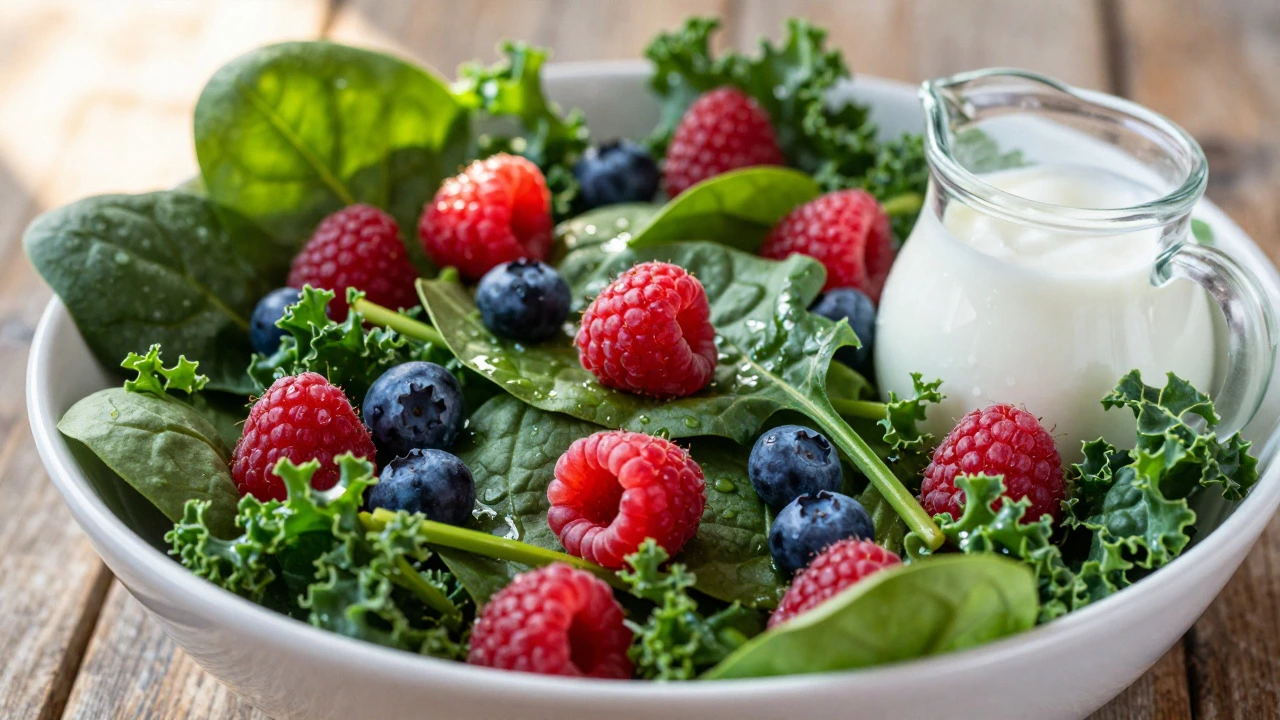
If there were a gold medal for weight loss foods, leafy greens would take it. They are incredibly low in calories but high in volume. You can eat a massive plate of spinach and barely register it on your daily calorie count. More importantly, they are packed with nutrients like magnesium and iron, which support energy levels during workouts.
Spinach contains thylakoids, which may help reduce cravings and appetite. Studies have shown that adding thylakoid-rich extracts to breakfast can significantly lower midday hunger. Plus, they are versatile. Throw them in smoothies, sauté them with garlic, or pile them onto salads.
2. Berries (Blueberries, Raspberries, Strawberries)
Craving something sweet? Reach for berries instead of cake. Berries are among the lowest-sugar fruits available. Raspberries, for instance, contain nearly 8 grams of fiber per cup. That’s huge for keeping you full. They are also rich in antioxidants called anthocyanins, which combat inflammation. Chronic inflammation is often linked to obesity and metabolic disorders, so reducing it supports overall weight management efforts.
3. Greek Yogurt
Regular yogurt is good, but Greek yogurt is superior for weight loss because of its protein punch. By straining out the whey, Greek yogurt retains almost double the protein of regular yogurt. Protein is essential for preserving muscle mass while you lose fat. If you’re just cutting calories without enough protein, you risk losing muscle, which slows down your metabolism. Aim for plain, unsweetened varieties to avoid hidden sugars that sabotage your progress.
4. Avocados
Don’t let the fat content scare you. Avocados are loaded with monounsaturated fats, which are heart-healthy and surprisingly satiating. Research suggests that people who include half an avocado in their lunch report a decreased desire to eat for hours afterward. The combination of fiber and healthy fats creates a slow-burning fuel source that keeps energy stable. Use them as a substitute for mayo or butter to add creaminess without the inflammatory oils.
5. Eggs
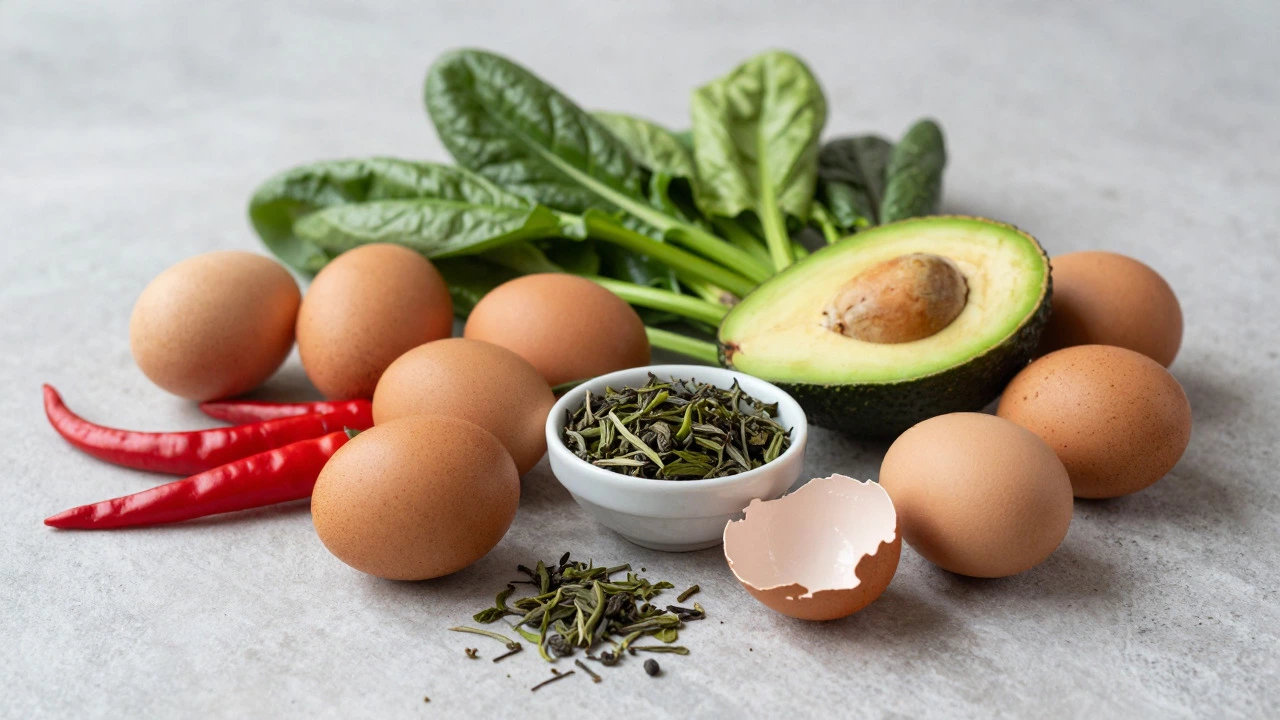
Eggs are nature’s multivitamin. They provide high-quality protein and healthy fats. Eating eggs for breakfast has been shown to reduce calorie intake later in the day compared to carb-heavy breakfasts like bagels. The yolk contains choline, a nutrient vital for brain health and liver function, helping your body process fats more efficiently. Just make sure to cook them properly to avoid any risk of salmonella, especially if you have a compromised immune system.
6. Green Tea
While not a food, Green tea deserves a spot on this list. It contains catechins, specifically EGCG (epigallocatechin gallate), which have been linked to increased fat burning and improved exercise performance. It’s a mild stimulant that can give you a slight metabolic boost. Replacing sugary sodas or lattes with green tea cuts out hundreds of empty calories daily.
7. Chili Peppers
Add some heat to your meals. Chili peppers contain capsaicin, the compound that gives them their kick. Capsaicin has been shown to temporarily increase metabolic rate and suppress appetite. It’s not going to melt off ten pounds overnight, but incorporating spicy elements into your diet can give your metabolism a small, consistent nudge. Try adding fresh jalapeños to salads or using cayenne pepper in soups.
| Food Item | Key Benefit | Fiber (per serving) | Protein (per serving) | Calories (approx.) |
|---|---|---|---|---|
| Spinach (1 cup raw) | High Volume/Low Calorie | 0.7g | 0.9g | 7 |
| Raspberries (1 cup) | High Fiber/Antioxidants | 8g | 1.5g | 64 |
| Greek Yogurt (1 cup) | High Protein/Satiety | 0g | 20g | 130 |
| Avocado (1/2 medium) | Healthy Fats/Satiety | 5g | 2g | 120 |
| Eggs (2 large) | Complete Protein | 0g | 12g | 140 |
How to Incorporate Superfoods Into Your Daily Routine
Knowing what to eat is only half the battle. The real challenge is making these foods a sustainable part of your lifestyle. Here’s how to do it without feeling like you’re on a restrictive diet.
- Start with Breakfast: Swap your usual toast for a bowl of Greek yogurt topped with berries and a sprinkle of chia seeds. This combination provides protein, fiber, and healthy fats to keep you full until lunch.
- Veggie First: At lunch and dinner, fill half your plate with non-starchy vegetables like spinach, kale, or broccoli. This naturally reduces the portion size of higher-calorie foods without making you feel deprived.
- Smart Snacking: Keep hard-boiled eggs or a piece of fruit handy. When hunger strikes between meals, reach for these nutrient-dense options instead of processed snacks.
- Hydrate Smartly: Drink a cup of green tea or water with lemon before meals. This can help curb overeating and aid digestion.
Common Myths About Superfoods and Weight Loss
It’s easy to fall for marketing traps. Let’s clear up some misconceptions.
Myth 1: Superfoods Burn Fat Automatically. Reality: No food burns fat directly. They support the conditions necessary for fat loss, such as maintaining muscle mass and controlling hunger, but you still need a calorie deficit.
Myth 2: Organic is Always Better for Weight Loss. Reality: While organic produce may have fewer pesticides, the nutritional difference regarding weight loss is negligible. A conventionally grown apple is still far better for your waistline than a donut, regardless of how it was farmed. Focus on whole foods first, then worry about organic labels if budget allows.
Myth 3: Detox Teas Cleanse Your Body. Reality: Your liver and kidneys are excellent detoxifiers. Most "detox" teas are just laxatives that cause temporary water weight loss, not fat loss. Stick to green tea or black coffee for a natural metabolic boost.
Building a Sustainable Plate
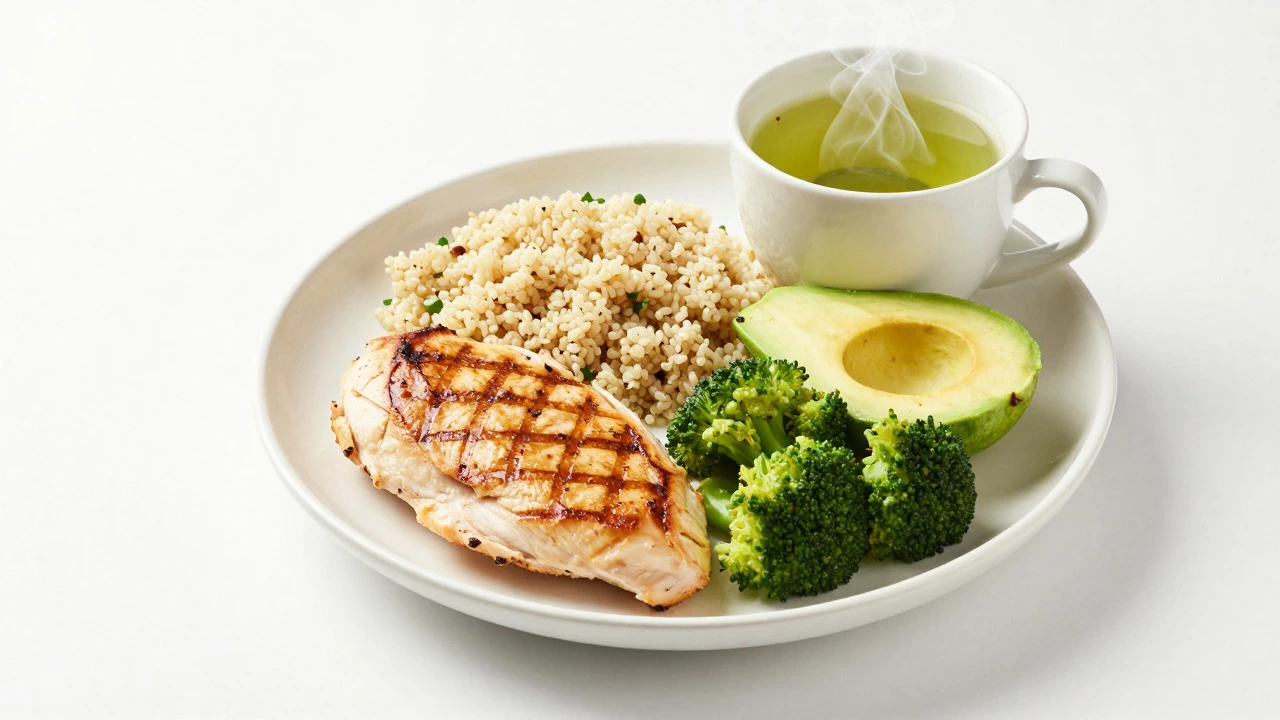
To truly benefit from superfoods, think about balance. A perfect weight-loss plate might look like this: one-quarter lean protein (like grilled chicken or tofu), one-quarter complex carbohydrates (like quinoa or sweet potato), and one-half colorful vegetables (spinach, bell peppers, zucchini). Add a thumb-sized portion of healthy fats (avocado or olive oil) to round it out.
This structure ensures you’re getting a wide range of nutrients while managing calorie intake. It’s not about perfection; it’s about consistency. Over time, these small changes compound into significant results.
Can I lose weight just by eating superfoods?
No, you cannot lose weight solely by eating superfoods if you are consuming more calories than you burn. Weight loss requires a calorie deficit. Superfoods help by keeping you full and providing nutrients, but they do not negate the laws of thermodynamics. Portion control remains essential even with healthy foods.
Are frozen superfoods as good as fresh?
Yes, frozen superfoods are often just as nutritious, if not more so, than fresh ones. Many fruits and vegetables are flash-frozen at peak ripeness, locking in nutrients. Fresh produce can lose vitamins during transport and storage. Frozen options are also more convenient and cost-effective, making them easier to incorporate into your daily diet.
Do I need to buy expensive exotic superfoods?
Not at all. Many of the best weight-loss foods are affordable and locally available. Spinach, eggs, beans, lentils, and seasonal fruits are highly nutritious and budget-friendly. Exotic superfoods like goji berries or acai can be nice additions, but they are not necessary for effective weight management. Focus on whole, minimally processed foods regardless of price tag.
How much protein do I need for weight loss?
Aim for approximately 1.2 to 1.6 grams of protein per kilogram of body weight. Higher protein intake helps preserve muscle mass during calorie restriction and increases satiety. Sources like Greek yogurt, eggs, fish, and legumes are excellent ways to meet this requirement without relying on supplements.
Can I eat superfoods every day?
Absolutely. In fact, you should aim to include a variety of nutrient-dense foods in your daily diet. Variety ensures you get a broad spectrum of vitamins, minerals, and antioxidants. Rotate your choices to prevent boredom and maximize health benefits. For example, switch between different types of berries or leafy greens throughout the week.