Plant Arrangement Designer
Configuration
Your Perfect Trio
Based on your inputs, here is a balanced grouping using the Rule of Three.
Ready to Design?
Configure your space settings on the left and click Generate to see your custom plant trio.
Staring at a collection of potted plants can feel overwhelming. You have the greenery, you have the pots, but putting them together often results in a cluttered mess rather than a beautiful display. Arranging plants isn't just about dumping them on a shelf; it is an exercise in balance, light management, and visual rhythm. Whether you are decorating a sun-drenched living room in Durban or organizing a small balcony, the principles remain the same. You want your plants to look intentional, healthy, and inviting.
Many people treat plant arrangement as a one-time task. In reality, it is a dynamic process. Plants grow, leaves drop, and seasons change. Your arrangement needs to evolve with them. By understanding the core elements of composition-height, texture, and color-you can create spaces that feel curated and alive. Let’s break down how to move from chaos to calm with your green decor.
Start with Light and Space
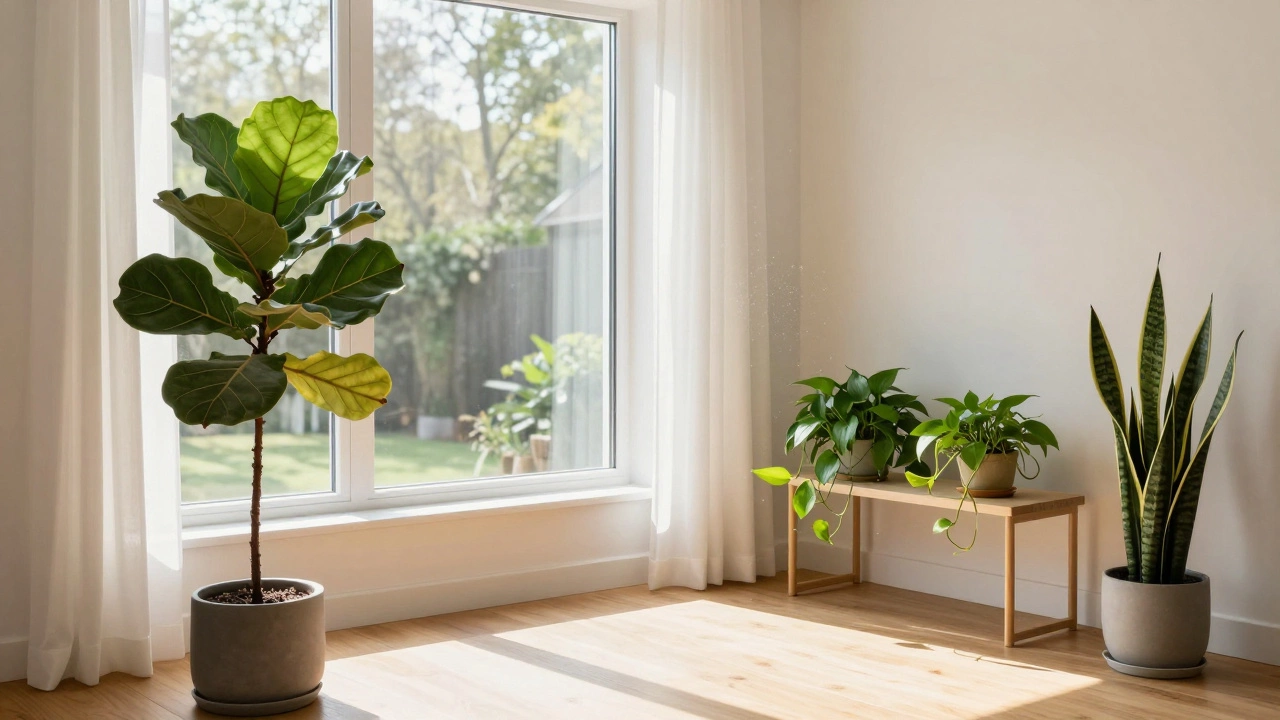
Before you pick up a single pot, you need to assess your environment. This is the most critical step because light requirements dictate which plants survive and thrive in specific spots. If you place a low-light tolerant plant like a Snake Plant (Sansevieria) in a spot meant for a high-light lover like a Fiddle Leaf Fig, you will spend more time worrying about yellowing leaves than enjoying the view.
- Map your light zones: Walk through your space during different times of the day. Note where direct sunlight hits (south-facing windows in the Northern Hemisphere, north-facing in the Southern), where bright indirect light filters in (east or west windows), and where shadows linger (north corners or rooms far from windows).
- Measure available space: Use a tape measure to check shelf widths, floor areas, and hanging heights. Remember to account for growth. A small pothos today will be a cascading waterfall in six months.
- Check airflow: Plants need circulation. Avoid cramming large specimens into tight corners where humidity builds up and pests like spider mites love to hide.
Understanding these constraints prevents the common mistake of buying beautiful plants that simply won’t work in your home. It also helps you group compatible plants together, making watering and care routines easier.
The Rule of Three and Odd Numbers
When arranging objects, our brains prefer odd numbers. They create a sense of movement and interest, whereas even numbers can feel static and formal. The "Rule of Three" is a classic design principle that applies perfectly to plant styling.
Instead of placing two identical ferns side-by-side, try grouping three plants of varying heights. For example, pair a tall Monstera Deliciosa with a medium-sized Calathea and a trailing Pothos. This creates a triangular shape that draws the eye upward and then outward. It feels natural, much like clusters of flowers in a meadow.
- Anchor: One larger or taller plant to establish presence.
- Filler: One medium plant to add volume and texture.
- Spiller: One trailing or smaller plant to soften edges and add movement.
This structure works on shelves, tables, and floors. It prevents the "soldier line" effect where every plant stands at attention in a row. Variation keeps the arrangement engaging.
Mix Textures and Shapes
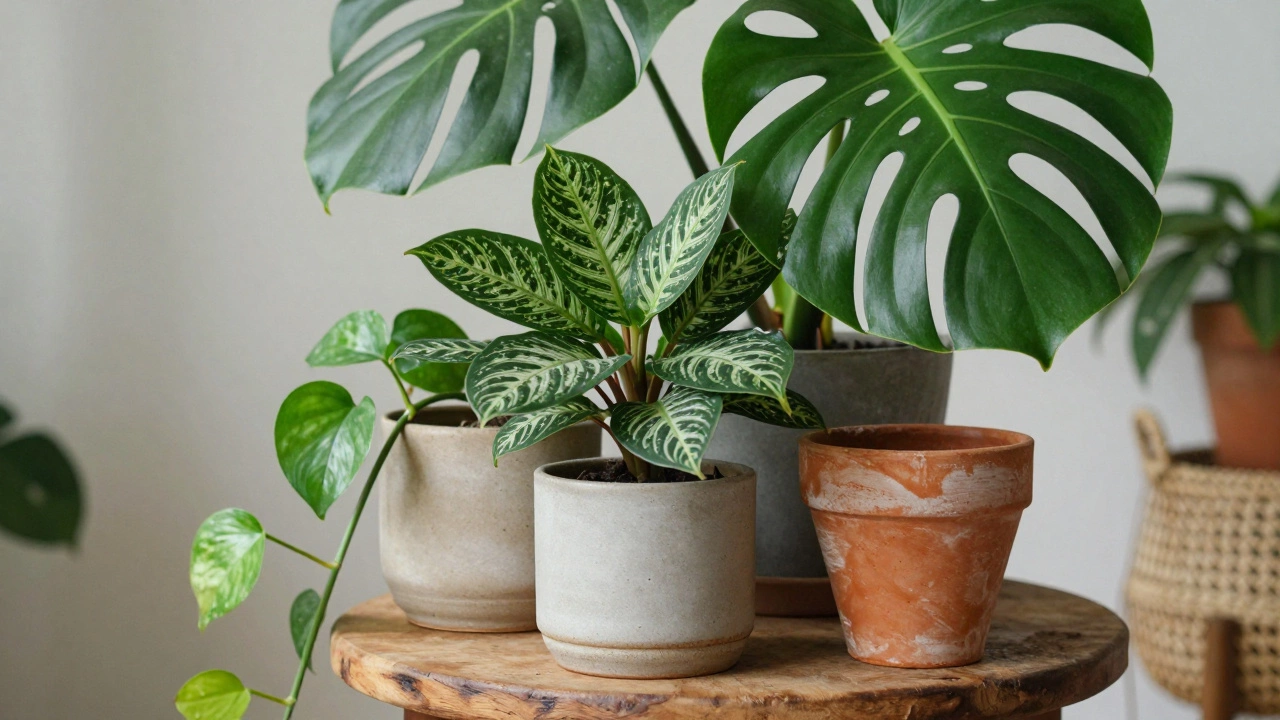
If all your plants have broad, glossy leaves, your display might look flat. Texture adds depth and makes a space feel luxurious. Think of leaf shapes as fabrics: some are smooth silk, others are rough burlap or delicate lace.
Combine contrasting textures to create visual tension. Place a plant with fine, feathery foliage, like a Asparagus Fern, next to one with thick, waxy leaves, such as a Rubber Plant. The contrast highlights the unique qualities of each specimen. Similarly, mix upright growers with arching or trailing varieties. An upright Dracaena provides vertical lines, while a String of Pearls spills over the edge, softening the hard lines of furniture.
Don’t forget the pots themselves. A matte ceramic pot offers a different tactile experience than a shiny glazed terracotta one. Mixing materials-wood, metal, clay, glass-adds another layer of sophistication to your arrangement.
Color Theory for Green Spaces
While green is the dominant color in any plant collection, it comes in many shades. From the pale lime of a Philodendron Birkin to the deep forest hue of a ZZ Plant, these variations matter. Adding variegated plants introduces splashes of white, yellow, or pink that pop against solid green backgrounds.
Use the color wheel to guide your choices. Analogous colors (greens, yellows, and oranges) create a harmonious, calming vibe. Complementary colors (green and red/purple) create drama. If you have a room with warm wood tones, cool-toned greens like those found in Ferns provide a refreshing contrast. If your decor is stark white and minimal, bold architectural plants like Aloe Vera or Echeveria add necessary weight and character.
Flowering plants should be used sparingly unless you want a seasonal focal point. Too many blooms can compete with each other. Instead, let one flowering plant, like an Anthurium, shine amidst a backdrop of foliage.
Utilize Vertical Space
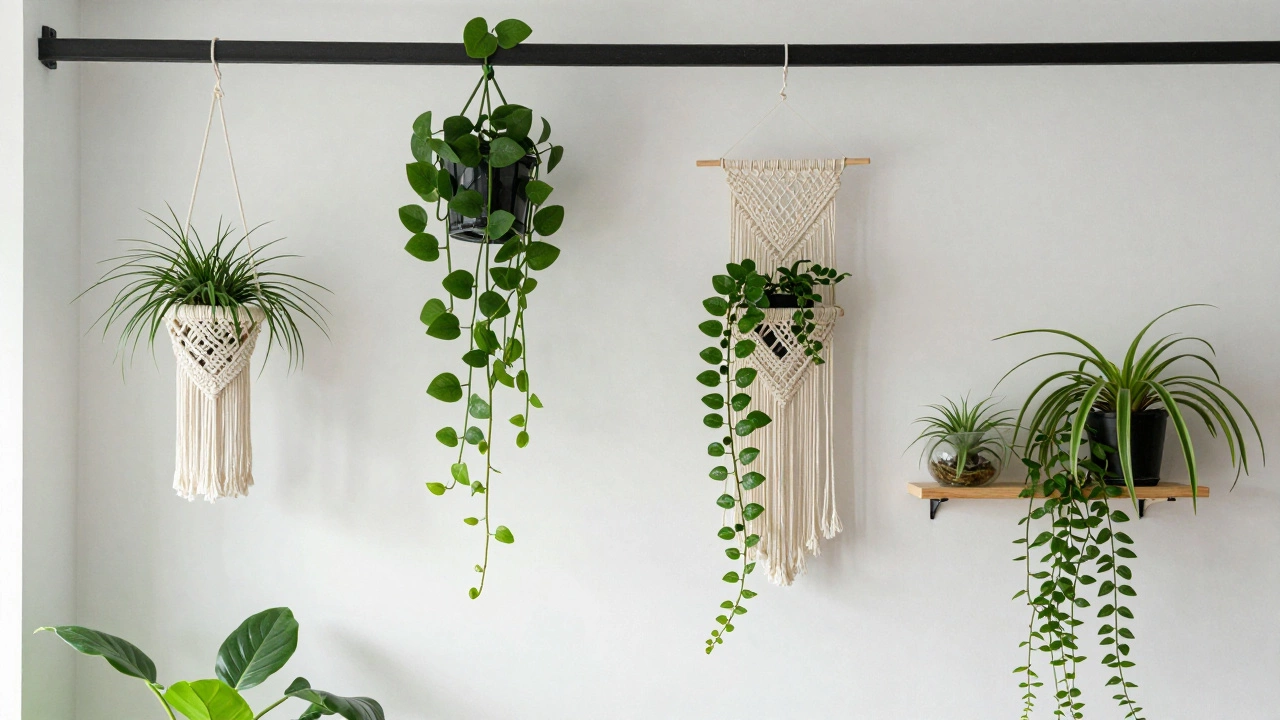
Floor space is limited, especially in apartments. Look up. Walls, ceilings, and high shelves offer prime real estate for plant displays. Hanging plants not only save floor space but also bring the eye upward, making rooms feel taller and airier.
| Plant Type | Growth Habit | Ideal Location |
|---|---|---|
| English Ivy | Trailing | High shelves, hanging baskets |
| Air Plants (Tillandsia) | Epiphytic | Wall mounts, glass globes |
| Spider Plant | Cascading | Hooks near windows |
| Hoya | Vining | Trellises, macramé hangers |
Macramé hangers, wall-mounted shelves, and even ceiling hooks can transform a bare corner into a lush jungle. Just ensure the mounting hardware is secure and consider the weight of wet soil. For heavier plants, use sturdy brackets rather than simple nails.
Maintaining the Arrangement
An arranged plant display is not set-and-forget. As plants grow, they shift positions. A small seedling becomes a bush; a vine stretches toward the light. You need to rotate pots regularly to ensure even growth. If a plant leans too far to one side, it throws off the balance of the entire group.
Pruning is essential for maintaining shape. Trim leggy stems to encourage bushier growth. Remove dead leaves immediately to keep the display looking fresh. Dusting leaves with a damp cloth not only improves photosynthesis but also restores the vibrant color that makes your arrangement pop.
Seasonal changes affect both light levels and plant health. In winter, days are shorter, and plants may slow their growth. You might need to rearrange them closer to windows. In summer, intense heat can scorch leaves, requiring you to move sensitive species further back. Treat your arrangement as a living sculpture that requires regular tuning.
How do I arrange plants in a small apartment?
Focus on vertical space. Use hanging planters, wall-mounted shelves, and tall, narrow stands. Choose compact varieties like Pilea or Peperomia. Group three small pots together on a coffee table to create a single focal point rather than spreading them out thinly.
What is the best way to group plants on a bookshelf?
Use the rule of three. Place one taller plant in the back, a medium one in the middle, and a trailing one in the front. Ensure the combined height doesn’t block books or decor behind them. Keep heavy pots on lower shelves to prevent tipping.
Can I mix indoor and outdoor plants in the same arrangement?
Only if they share similar light and water needs. Most indoor plants cannot tolerate frost or extreme wind, while many outdoor plants require full sun that would burn indoor-adapted species. Check the care instructions for each plant before combining them.
How often should I rearrange my plants?
Every few weeks, rotate pots to ensure even growth. Seasonally, reassess the layout based on changing light angles and plant size. If a plant looks leggy or unbalanced, trim it and reposition it within the group.
What pots work best for cohesive plant arrangements?
Uniformity creates calm, while variety creates interest. For a minimalist look, use matching ceramic pots. For a bohemian vibe, mix terracotta, woven baskets, and painted ceramics. Ensure all pots have drainage holes to protect plant health.