London 2026 Trip Budget Estimator
Breakdown
-
Accommodation £0Based on Mid-Range
-
Food & Drink £0Pubs & Casual
-
Transport £0Tube, Bus & Walking
-
Sightseeing £0Museums & Attractions
You have a limited window. Maybe three days, maybe a week. London is massive, chaotic, and endlessly layered. If you try to see everything, you will see nothing but the backs of other tourists’ heads. The trick isn’t to rush; it’s to curate. As someone who has spent years navigating cities that demand your attention, I know the difference between a checklist item and a memory.
London in 2026 feels different than it did five years ago. The city has shifted. Some spots are quieter, others are buzzing with new energy. To get the most out of your trip, you need to balance the iconic heavy hitters with the places that actually make locals fall in love with their home every day. This guide cuts through the noise. We’re skipping the generic advice and focusing on what truly matters.
The Big Icons: Do Them Right
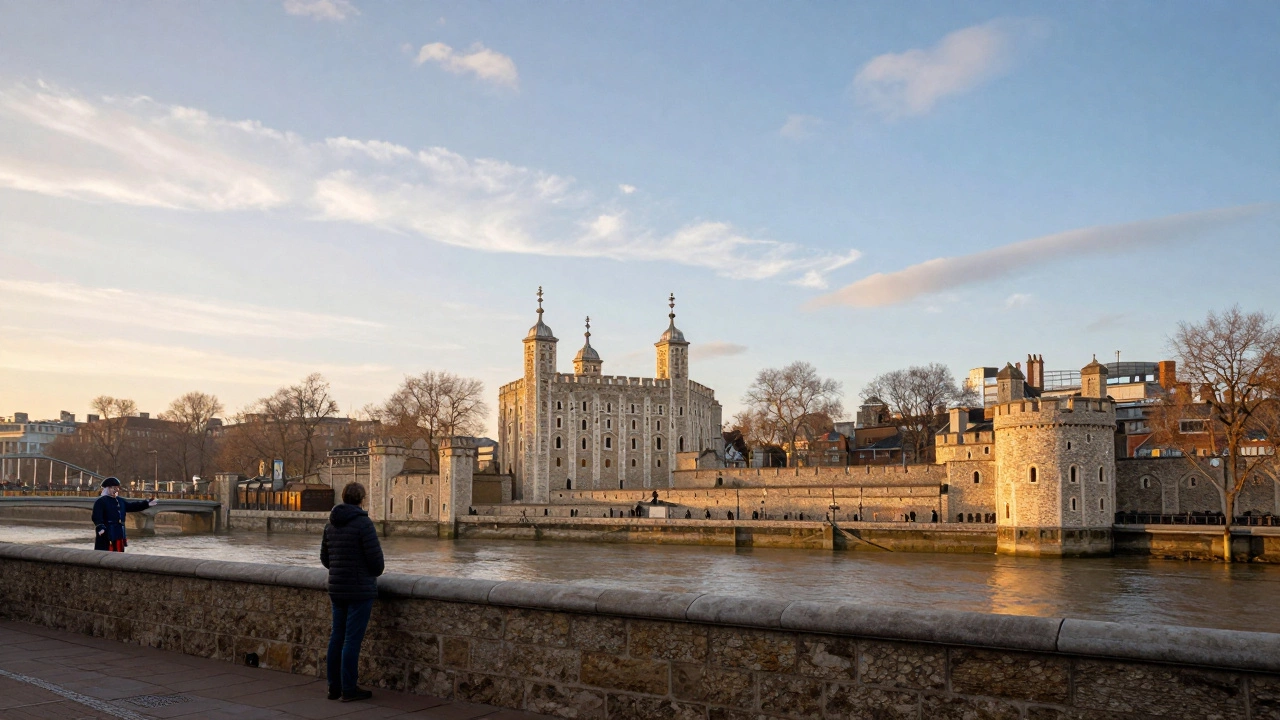
Let’s be honest. You didn’t fly across the ocean to skip the Tower of London or Big Ben. These are the anchors of any London trip. But here is the secret: everyone goes there at noon. If you want photos without crowds and a chance to actually look at the exhibits, you have to change your rhythm.
Book tickets for the very first slot in the morning, usually around 9:00 AM. By 11:00 AM, the queue for the White Tower wraps around the block. Arriving early means you walk straight in. While you’re there, don’t just stare at the jewels. Walk the ramparts. Look down at the river. The view from the top tells you how this fortress dominated the landscape for centuries. And yes, hire a Beefeater guide. Their stories about executions and prisoners are dark, funny, and deeply human. They bring the stone walls to life.
Big Ben, now officially known as the Elizabeth Tower, is less about going inside (which is rarely open to the public) and more about seeing it from the right angle. Skip the Parliament Square selfie spot. Instead, walk along Victoria Embankment. From there, you get the full height of the tower against the sky, framed by the modern architecture of City Hall. It’s a better composition and far fewer people are blocking your shot.
Museums That Don’t Feel Like School
London’s museums are world-class, and almost all of them are free. That’s a huge win for your wallet. But "free" often means "crowded." The British Museum and the Natural History Museum are essential, but they require strategy.
The British Museum is a museum dedicated to human history, art and culture, located in the Bloomsbury area of London holds over 8 million works. Its collection spans two million years of human history. The Rosetta Stone and the Elgin Marbles are the stars, but they are also the bottlenecks. Go on a weekday morning. Stand in front of the Rosetta Stone for five minutes. Then move on. Spend an hour in the Enlightenment Gallery or the Ancient Egypt wing. Those spaces feel grander and allow you to breathe.
If you prefer nature, head to South Kensington. The Natural History Museum is a natural history museum in Cromwell Road, South Kensington, London is stunning. The Hintze Hall with the blue whale skeleton suspended from the ceiling is breathtaking. But the real magic is in the smaller galleries. The Dinosaur Gallery is packed, but the Mammals gallery offers a quiet moment among taxidermy displays that feel both eerie and beautiful. Book a ticket online even though it’s free. It saves you standing in line for twenty minutes just to scan a QR code.
Eating Like a Local, Not a Tourist
Food in London can be expensive. Really expensive. A sit-down dinner in Covent Garden can easily set you back £80 per person for mediocre food. You don’t need to eat like a king to enjoy London. In fact, some of the best meals happen when you step away from the main tourist drag.
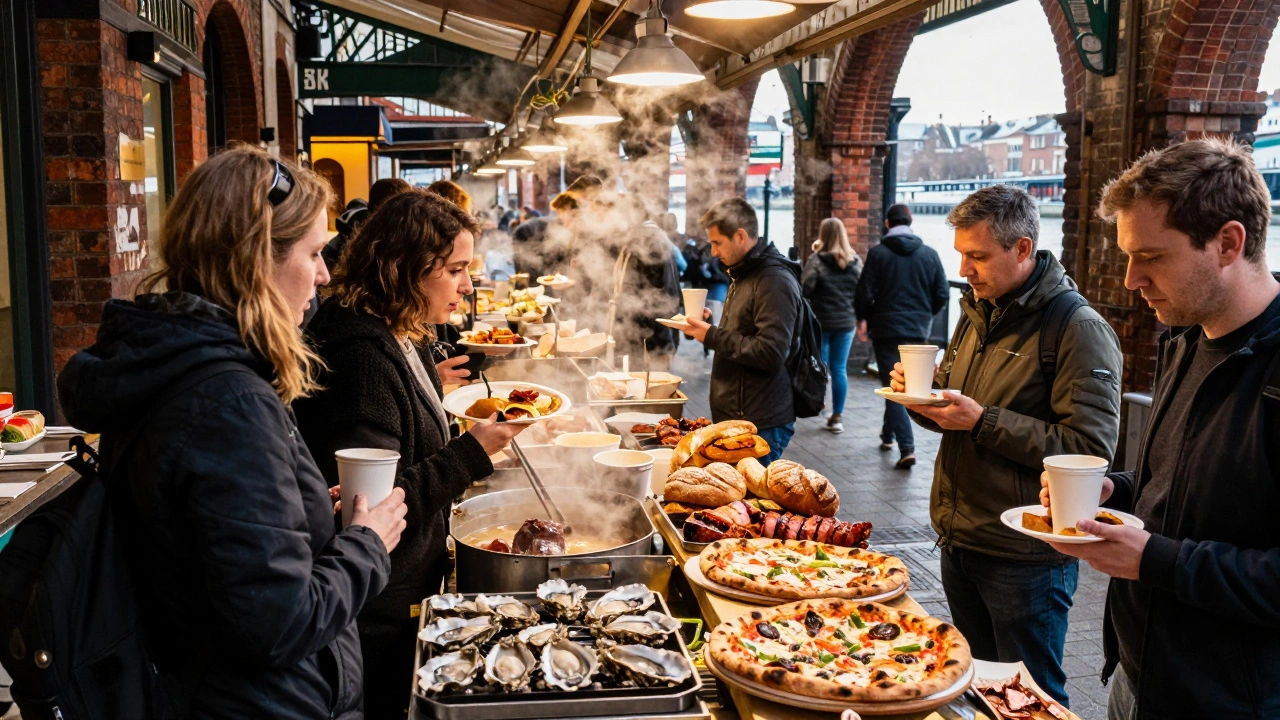
Borough Market is famous, and it’s worth one visit. But go early. By 11:00 AM, it’s a crush of bodies. Grab a fresh oyster, a slice of wood-fired pizza, or a gourmet burger. Eat while walking along the Thames. The atmosphere is electric. However, if you want something more authentic, explore the street food scene in Shoreditch or Brick Lane. Brick Lane is known for its curry houses. Try Cinnamon Buns for breakfast-it’s a local institution. For lunch, hit up a random kebab shop or a Vietnamese pho place tucked into a side street. The flavors are sharper, the prices lower, and the experience more genuine.
Don’t sleep on the Sunday Roast. It’s a British ritual. Find a pub near your hotel-avoid the ones with neon signs advertising "Tourist Specials." Look for a place with wooden beams, dim lighting, and locals reading newspapers. Order the roast beef with Yorkshire pudding. It’s comfort food at its finest. It costs about £25-£30, which is reasonable for the portion size and quality.
Green Spaces: Your Escape Hatch
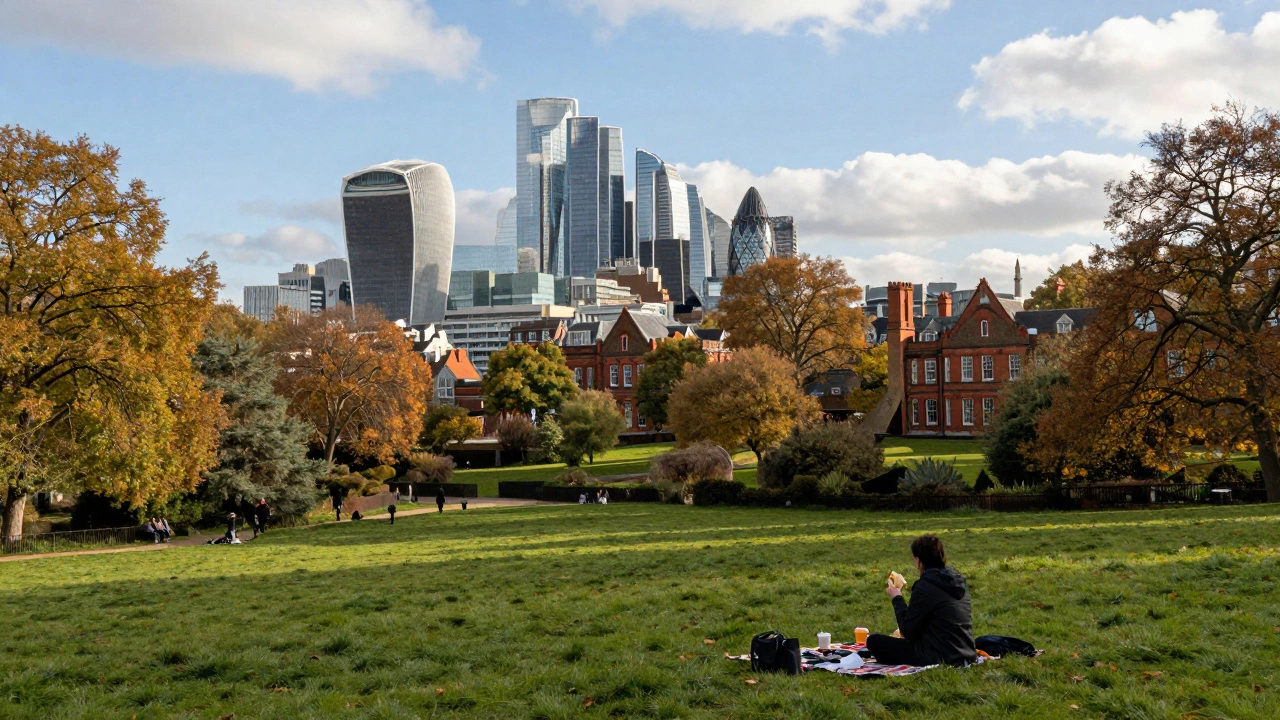
London is dense. After a day of walking on pavement, you need green space. Hyde Park is the obvious choice, but it’s often too crowded. Consider Hampstead Heath instead. It’s wilder, larger, and offers panoramic views of the city from Parliament Hill. On a clear day, you can see for miles. Bring a sandwich. Sit on the grass. Watch the clouds roll over the skyline. It’s peaceful in a way that Hyde Park rarely is.
Another underrated gem is Greenwich Park. It’s slightly further out, but the Underground gets you there quickly. The view of the Cutty Sark and the Royal Observatory is spectacular. Walking through the park feels like stepping back in time. The trees are older, the paths wider. It’s a perfect afternoon activity, especially if you combine it with a boat ride on the Thames from Tower Pier to Greenwich Pier. The journey takes about 40 minutes and gives you a unique perspective of the riverbanks.
Hidden Gems: Beyond the Guidebooks
Once you’ve ticked off the major landmarks, dive deeper. London has neighborhoods that feel like separate worlds. Spitalfields is vibrant, filled with independent boutiques, antique markets, and great cafes. The Old Spitalfields Market is a maze of stalls selling vintage clothes, handmade jewelry, and artisanal foods. It’s chaotic but charming.
For book lovers, Daunt Books in Marylebone is a dream. The store is organized by country, not genre. If you’re planning a trip to Japan or Italy, browse the relevant section. It’s a cozy escape from the rain outside. Similarly, if you appreciate design, visit the Design Museum in Kensington. It’s small, focused, and often features exhibitions that challenge your perception of everyday objects.
Art enthusiasts should look beyond the Tate Modern. The Whitechapel Gallery in East London showcases contemporary art from emerging artists. It’s less polished than the Tate, but often more provocative. And don’t forget the National Portrait Gallery. It’s next to the National Gallery, but often overlooked. Seeing portraits of Shakespeare, Churchill, and Beyoncé side-by-side is a strange and delightful experience.
Getting Around: Smart Moves
London’s transport system is complex but efficient. The Tube is fast, but it can be confusing. Download the Citymapper app. It’s better than Google Maps for London because it accounts for delays, elevator breakdowns, and the fastest routes in real-time. It tells you exactly which carriage to stand in for the quickest exit.
Avoid black cabs unless you’re desperate. They are expensive. Use Uber or Bolt for short trips, but remember that traffic in central London is terrible during rush hour (7:30-9:30 AM and 5:00-7:00 PM). Walking is often faster for distances under 1 mile. London is surprisingly walkable if you stick to the main arteries. Just wear comfortable shoes. You will walk more than you think.
Consider getting an Oyster card or using contactless payment. Contactless is easier. Just tap your credit card or phone on the yellow reader when you enter and exit. There’s a daily cap, so you won’t pay more than a certain amount regardless of how many journeys you make. It’s simple and hassle-free.
Timing Your Visit
When you go matters. June 2026 is a great time. The weather is mild, averaging 15-20°C (59-68°F). Days are long, giving you extra hours to explore. But summer is peak season. Prices for hotels are higher, and attractions are busier. If you can, aim for late September or October. The crowds thin out, the light is golden, and the autumn colors add warmth to the parks.
Winter in London is cold and wet, but it has its own charm. Christmas markets in Hyde Park and Somerset House are magical. The lights reflect off the wet pavement, creating a moody, cinematic atmosphere. Just dress warmly. Layers are key.
| Attraction | Best Time to Go | Why? |
|---|---|---|
| Tower of London | 9:00 AM - 10:30 AM | Avoid midday crowds; shorter lines for Crown Jewels |
| British Museum | Weekday mornings | Less congested galleries; easier to see highlights |
| Borough Market | Before 11:00 AM | Fresh food available; less crowded for eating |
| Hyde Park / Hampstead Heath | Weekday afternoons | Quieter for walks; better picnic spots |
| Tower Bridge | Sunset or Night | Illuminated bridge looks stunning; fewer pedestrians |
Common Pitfalls to Avoid
Don’t trust street touts offering "discounted" tickets to attractions. They are scams. Buy tickets online in advance. Don’t assume everything is open on Sundays. Many shops and smaller museums close early or remain shut. Check opening hours before heading out. Finally, don’t underestimate the cost of alcohol. Pints in central London pubs can cost £7-£8. Stick to local neighborhoods for better prices and atmosphere.
London rewards curiosity. Step off the main path. Talk to locals. Get lost in a neighborhood. The city is big enough to hide secrets, even after centuries of tourism. Your goal isn’t to see everything. It’s to find the parts that resonate with you. Whether it’s the silence of a library, the noise of a market, or the view from a hill, those moments are what you’ll remember long after the passport stamp fades.
Is London expensive for tourists in 2026?
Yes, London is relatively expensive. Accommodation and dining in central areas can be pricey. However, you can save money by eating street food, visiting free museums, and using contactless transport with daily caps. Staying in zones 2 or 3 also reduces accommodation costs significantly.
How many days do I need to see London?
Three to four days is enough to see the major landmarks like the Tower of London, Buckingham Palace, and the British Museum. For a deeper experience including day trips to Windsor or Greenwich, plan for five to seven days. Rushing through London leads to fatigue rather than enjoyment.
Do I need to buy tickets in advance for London attractions?
Highly recommended. Popular sites like the Tower of London, Westminster Abbey, and Madame Tussauds sell out days or weeks in advance. Even free museums like the Natural History Museum suggest booking timed entry slots to manage crowd flow. Buying online saves time and sometimes money.
What is the best way to get around London?
The Underground (Tube) combined with walking is the most efficient method. Use contactless bank cards or an Oyster card for payment. Avoid taxis during peak hours due to traffic. For longer distances, consider the Overground or DLR, which are often less crowded than the central Tube lines.
Are there any hidden gems in London worth visiting?
Yes. Hampstead Heath offers wild green space and city views. Spitalfields Market provides unique shopping and food. The Whitechapel Gallery showcases contemporary art. Exploring neighborhoods like Shoreditch or Peckham reveals vibrant street art, independent cafes, and local culture away from tourist centers.