Home Decor Style Finder
Discover your ideal interior design trend for 2026 based on your lifestyle preferences.
1. What is your primary goal when decorating a room?
You walk into a friend’s living room, and something feels off. Maybe it’s the cold, sterile look of all-white walls with nothing on them, or perhaps it’s the chaotic clash of too many bright colors fighting for attention. You’re not alone in feeling this way. The home decor landscape has shifted dramatically in recent years. We’ve moved past the era where one single style ruled every magazine cover. Today, popularity isn’t about picking just one trend; it’s about blending comfort, sustainability, and personal expression.
If you’re wondering what type of home decor is most popular right now, the answer lies in a mix of practicality and emotional resonance. People are tired of spaces that look good in photos but feel uncomfortable to live in. They want rooms that breathe, that hold memories, and that reflect who they are without breaking the bank. This guide breaks down the dominant styles shaping homes today, why they’re winning, and how you can use them without making your house look like a showroom.
Quick Summary: What’s Hot in Home Decor
- Warm Minimalism: Less clutter, but more texture and warmth than traditional minimalism.
- Biophilic Design: Integrating nature indoors through plants, natural light, and organic materials.
- Maximalist Accents: Bold patterns and curated collections used sparingly to add personality.
- Sustainable Sourcing: Preference for vintage, upcycled, and eco-friendly materials over fast furniture.
- Hybrid Spaces: Furniture and layouts designed for both work and relaxation due to remote work norms.
The Rise of Warm Minimalism
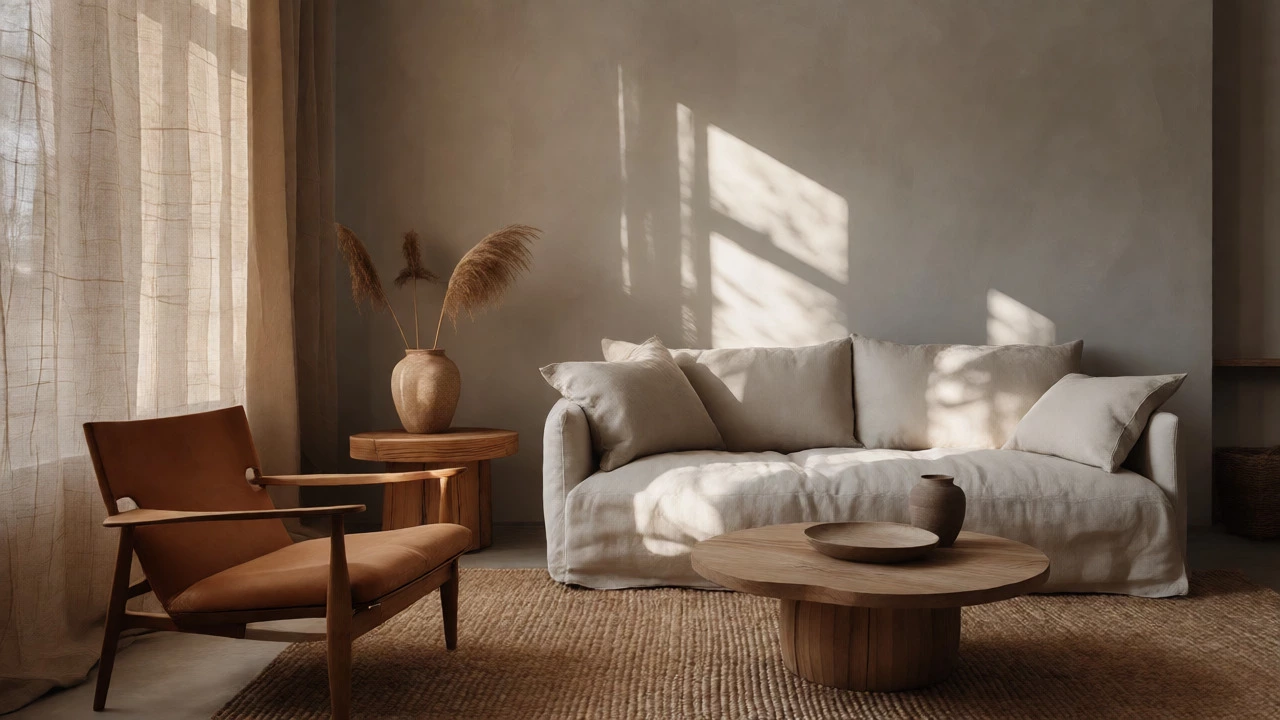
Remember when minimalism meant beige sofas, empty shelves, and a fear of dust? That version is fading. What’s taken its place is warm minimalism. This style keeps the clean lines and uncluttered spaces of traditional minimalism but injects soul through rich textures, earthy tones, and functional art. Think linen drapes instead of plastic blinds, wool rugs instead of synthetic ones, and wooden furniture with visible grain rather than glossy laminates.
Why does this matter? Because humans crave tactile comfort. A study by the University of British Columbia found that people perceive textured environments as more calming and trustworthy. Warm minimalism satisfies the desire for order while preventing the space from feeling clinical. It’s the perfect compromise for those who hate clutter but love coziness.
To achieve this look, focus on neutral palettes-creams, taupes, soft grays-and layer different materials. Pair a smooth leather chair with a rough jute rug. Add a ceramic vase with an irregular shape to break up straight lines. The goal is simplicity with depth, not emptiness.
Biophilic Design: Bringing Nature Indoors
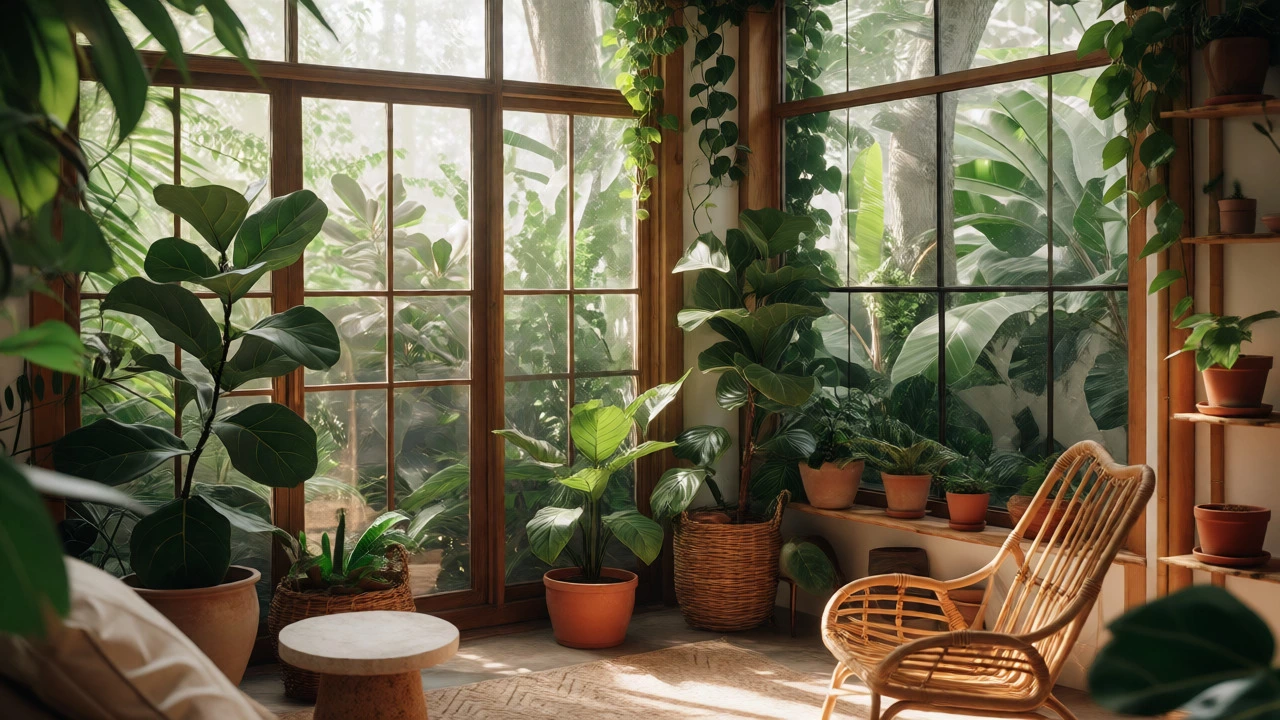
Nature isn’t just outside anymore; it’s a core component of modern interior design. Biophilic design is the practice of connecting inhabitants with nature through direct elements (plants, water, sunlight) and indirect elements (natural materials, views of nature). This trend exploded during the pandemic when people realized how much their environment affected their mental health. Now, it’s a staple in popular home decor.
It’s not just about putting a fern in the corner. Effective biophilic design considers lighting, airflow, and material choices. Large windows that frame outdoor views count. So do indoor trees like fiddle-leaf figs or snake plants that improve air quality. Using wood, stone, and bamboo in flooring and furniture reinforces this connection.
| Element | Traditional Approach | Biophilic Approach |
|---|---|---|
| Lighting | Artificial overhead lights | Maximized natural light + circadian rhythm LEDs |
| Materials | Synthetic plastics, laminates | Wood, cork, stone, bamboo |
| Air Quality | Ventilation only | Air-purifying plants + ventilation |
| Color Palette | Trend-driven brights | Greens, browns, blues, earth tones |
Implementing this doesn’t require a renovation. Start small. Place a mirror near a window to bounce light deeper into the room. Swap plastic pots for terracotta or woven baskets. If you lack a green thumb, low-maintenance options like pothos or ZZ plants thrive in various conditions.
Maximalism: Controlled Chaos
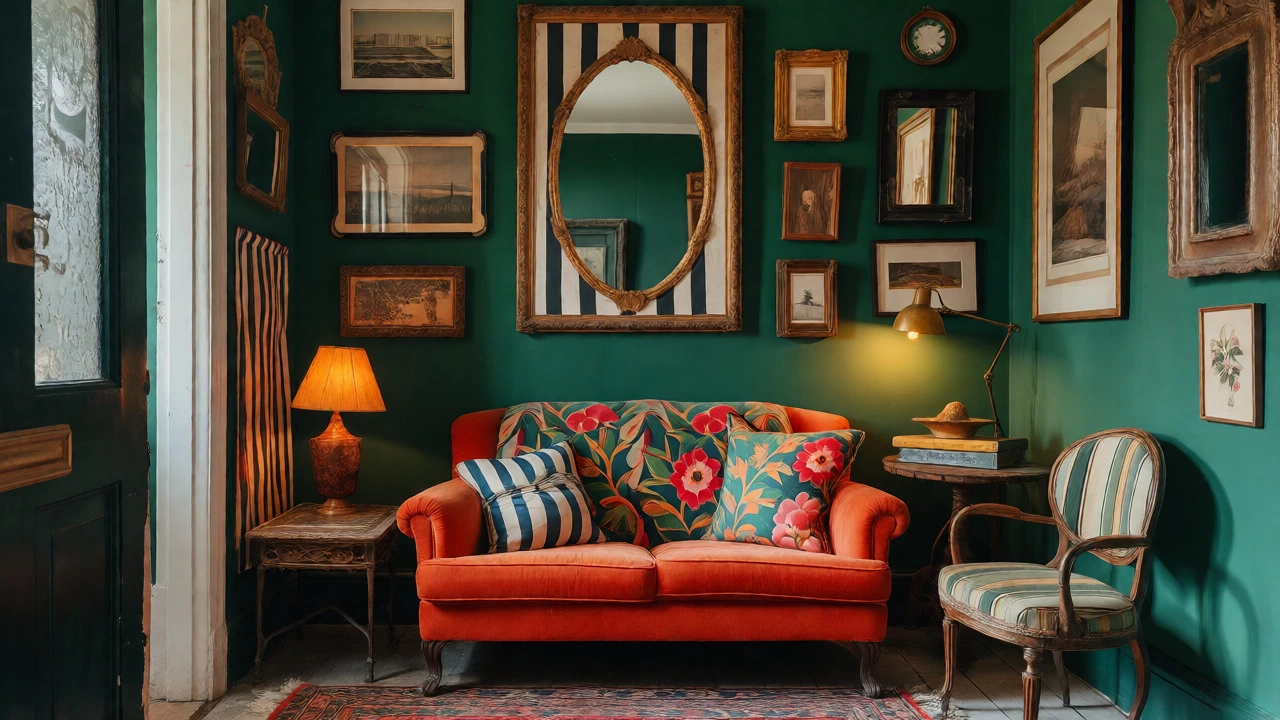
On the opposite end of the spectrum sits maximalism. But don’t confuse this with hoarding. Modern maximalism is intentional curation. It’s about telling a story through objects, colors, and patterns. This trend appeals to those who find joy in collecting and expressing individuality.
Popular maximalist techniques include mixing prints-stripes with florals, geometrics with abstracts-and using bold wall colors like deep emerald or burnt orange. Gallery walls have evolved beyond simple photo frames to include textiles, mirrors, and sculptural pieces. The key rule? Cohesion. Every item should feel like it belongs, even if it clashes slightly with its neighbor.
This style works best in smaller spaces like powder rooms, reading nooks, or entryways. Going full maximalist in a large open-plan living area can overwhelm the senses unless you have a strong eye for balance. Start with one statement piece-a vibrant sofa or a patterned wallpaper-and build around it.
Sustainability and Vintage Revival
Eco-consciousness has reshaped consumer habits. Buying new furniture often means contributing to landfill waste and carbon emissions. Consequently, vintage and second-hand decor has surged in popularity. Platforms like Etsy, eBay, and local thrift stores are treasure troves for unique finds that mass-produced items can’t match.
There’s also a growing preference for sustainable brands that use recycled materials, non-toxic finishes, and ethical labor practices. Consumers are willing to pay more for durability and transparency. A mid-century modern chair bought at an auction might cost less than a new replica, but it carries history and character.
Upcycling is another facet of this trend. Turning old crates into shelves, refinishing worn tables, or reupholstering antique chairs allows homeowners to customize pieces to fit their exact needs. It’s creative, cost-effective, and environmentally friendly.
Functional Hybrids for Remote Work
The shift to remote work hasn’t disappeared; it’s integrated. Homes must now serve multiple purposes. This has driven demand for multi-functional furniture and flexible layouts. Desks that fold away, ottomans with storage, and modular shelving systems are top sellers.
People are creating “work zones” within living areas. This involves defining spaces visually, perhaps with a rug or a bookshelf, so the brain associates certain areas with productivity and others with rest. Acoustic treatments, like thick curtains or felt panels, are becoming common to reduce echo during video calls.
Lighting plays a crucial role here. Task lighting for desks combined with ambient lighting for evenings helps separate work mode from relaxation mode. Smart bulbs that adjust color temperature throughout the day support this transition naturally.
How to Choose Your Style
With so many options, how do you decide what fits your home? Forget following trends blindly. Ask yourself these questions:
- What do I need? Do you need more storage? More calm? More energy?
- What do I already own? Blend new purchases with existing items to save money and maintain continuity.
- What makes me happy? Look at photos of rooms you admire. Note the common threads-colors, textures, layouts.
Mixing styles is perfectly acceptable. Many popular homes today blend warm minimalism with maximalist accents or combine biophilic elements with vintage finds. The most successful decor reflects the inhabitant’s life, not just a Pinterest board.
Frequently Asked Questions
Is minimalism still popular in 2026?
Yes, but it has evolved. Strict, cold minimalism is less common. Instead, warm minimalism dominates, focusing on high-quality materials, natural textures, and uncluttered but cozy spaces. It remains popular for its sense of calm and ease of maintenance.
What is the difference between boho and maximalist decor?
Boho (bohemian) decor emphasizes eclectic, global-inspired patterns, natural fibers, and a relaxed vibe. Maximalism is broader, focusing on abundance, bold colors, and dramatic statements. While boho can be maximalist, not all maximalist designs are boho. Maximalism can include sleek, modern lines paired with intense color or art.
How do I incorporate biophilic design in a small apartment?
Focus on vertical gardening with hanging plants or wall-mounted planters. Use mirrors to amplify natural light. Choose furniture made from natural materials like wood or rattan. Even small touches, like a bowl of pinecones or stones, can introduce natural elements effectively.
Are vintage items harder to maintain?
Not necessarily. Many vintage pieces are built better than modern fast furniture. However, they may require specific care, such as conditioning wood or cleaning upholstery gently. Always check for structural integrity before buying, especially for seating.
What colors are trending for home interiors?
Earthy neutrals remain strong, but there’s a rise in deep, saturated hues like forest green, navy blue, and terracotta. Soft pastels are also popular for creating serene bedrooms. Contrast is key-pairing dark accents with light backgrounds creates visual interest.