Sustainability: What It Really Means and How It Affects Your Everyday Choices
When we talk about sustainability, the practice of meeting today’s needs without harming the ability of future generations to meet theirs. Also known as long-term environmental responsibility, it’s not just about recycling bins or reusable bags—it’s a system that touches how you shop, what companies you support, and even how money flows through the economy. Too many people think sustainability is about being perfect. But it’s not. It’s about progress. It’s about asking: Where did this come from? Who made it? What happens when I’m done with it?
That’s where eco-friendly, products or practices designed to have minimal negative impact on the environment. Also known as environmentally friendly, it’s a label you see everywhere—but not all of it adds up. Some brands slap "eco-friendly" on packaging while still using plastic wrappers from halfway across the world. Real eco-friendly choices look at the whole life cycle: how it’s made, shipped, used, and disposed of. Then there’s ESG, a framework that measures a company’s performance on environmental, social, and governance factors. Also known as corporate responsibility metrics, it’s what investors use to decide if a business is truly building for the future—or just pretending to. You don’t need to be an investor to care about ESG. If a company treats workers poorly, ignores pollution, or hides its supply chain, that affects everything you buy from them.
And then there’s fashion. sustainable fashion, clothing designed, produced, and consumed in ways that reduce environmental harm and support fair labor. Also known as ethical fashion, it’s not just about buying secondhand—even though that’s one of the easiest ways to start. Thrifting cuts waste, saves resources, and gives old clothes new life. But if you buy ten thrifted items you don’t need, you’re still part of the problem. True sustainable fashion means buying less, choosing well, and keeping things longer.
Green consumerism isn’t about guilt. It’s about awareness. People say they want to make better choices—but price, convenience, and confusion hold them back. That’s why we’re here. Below, you’ll find real talk about what’s actually working in 2025, who’s making the switch, and how to spot the difference between real sustainability and marketing fluff. No jargon. No hype. Just what you need to know to make smarter, simpler decisions every day.
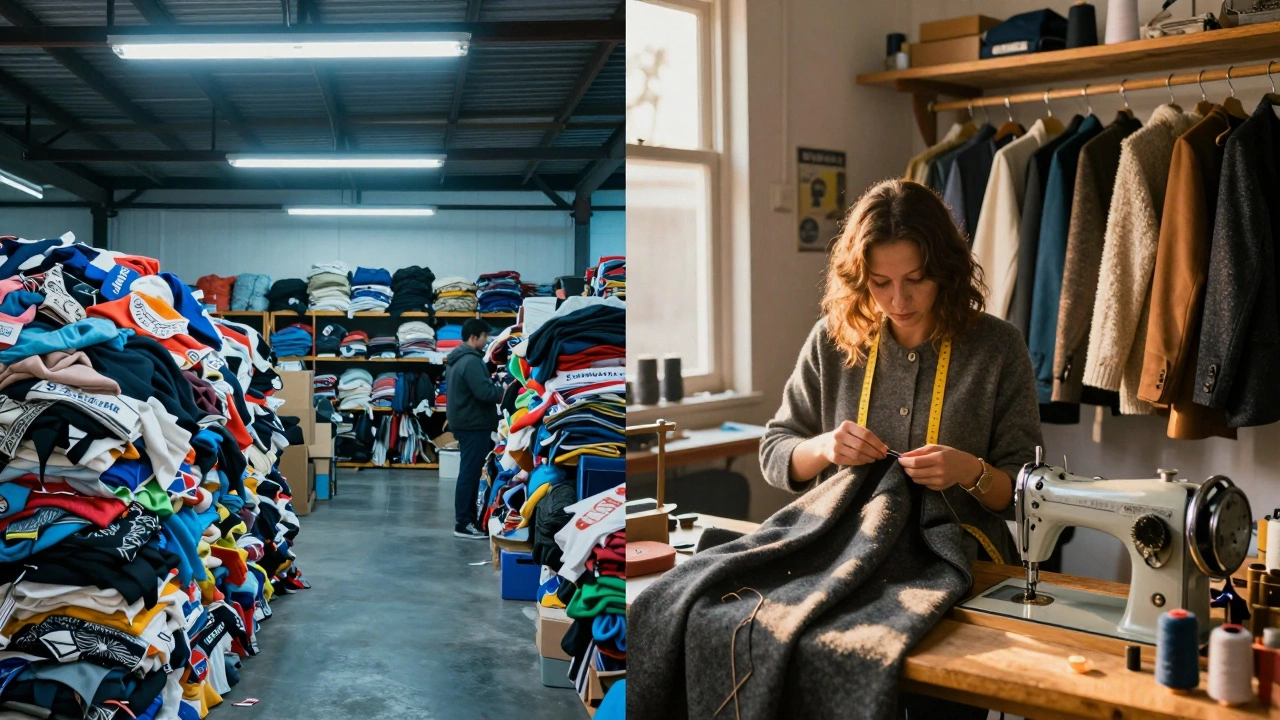
What Is Fast Sustainable Fashion? The Truth Behind the Trend
Fast sustainable fashion claims to be eco-friendly but still pushes overconsumption. Learn why it's misleading, how it differs from real sustainable fashion, and what actually works for the planet.
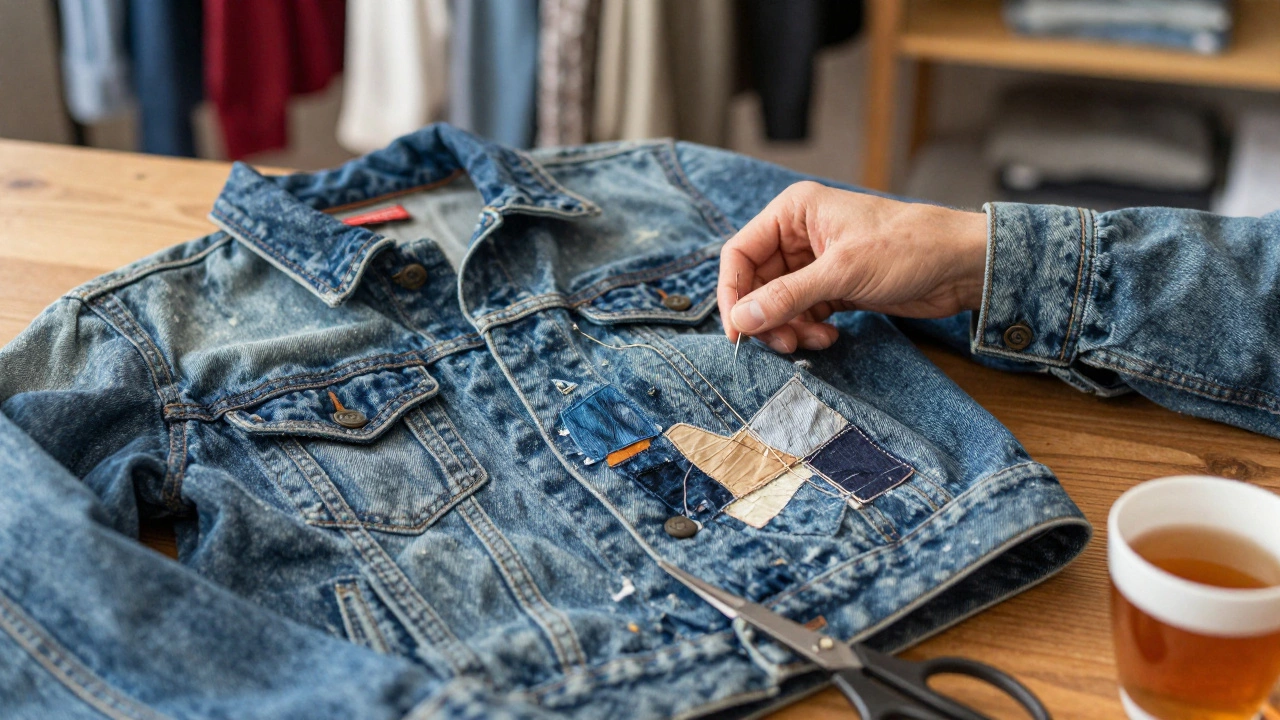
What Is a Simple Definition of Sustainable Fashion?
Sustainable fashion means making clothes that are good for people and the planet-from fair labor to eco-friendly materials. It’s not just organic cotton; it’s about durability, transparency, and reducing waste at every step.
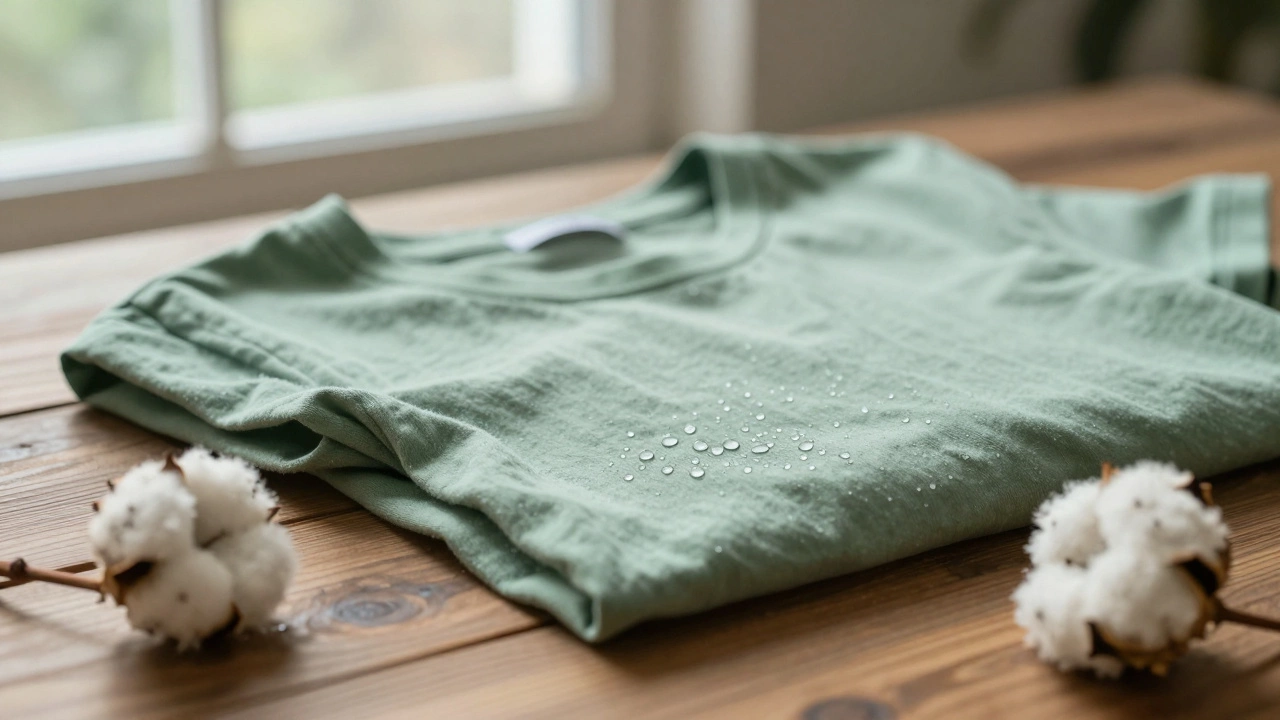
What Is the Least Toxic Fabric to Wear? Sustainable Choices for Your Skin and the Planet
Discover the least toxic fabrics to wear for your health and the environment. Learn why organic cotton, hemp, and linen beat synthetics and conventional cotton in safety, sustainability, and comfort.
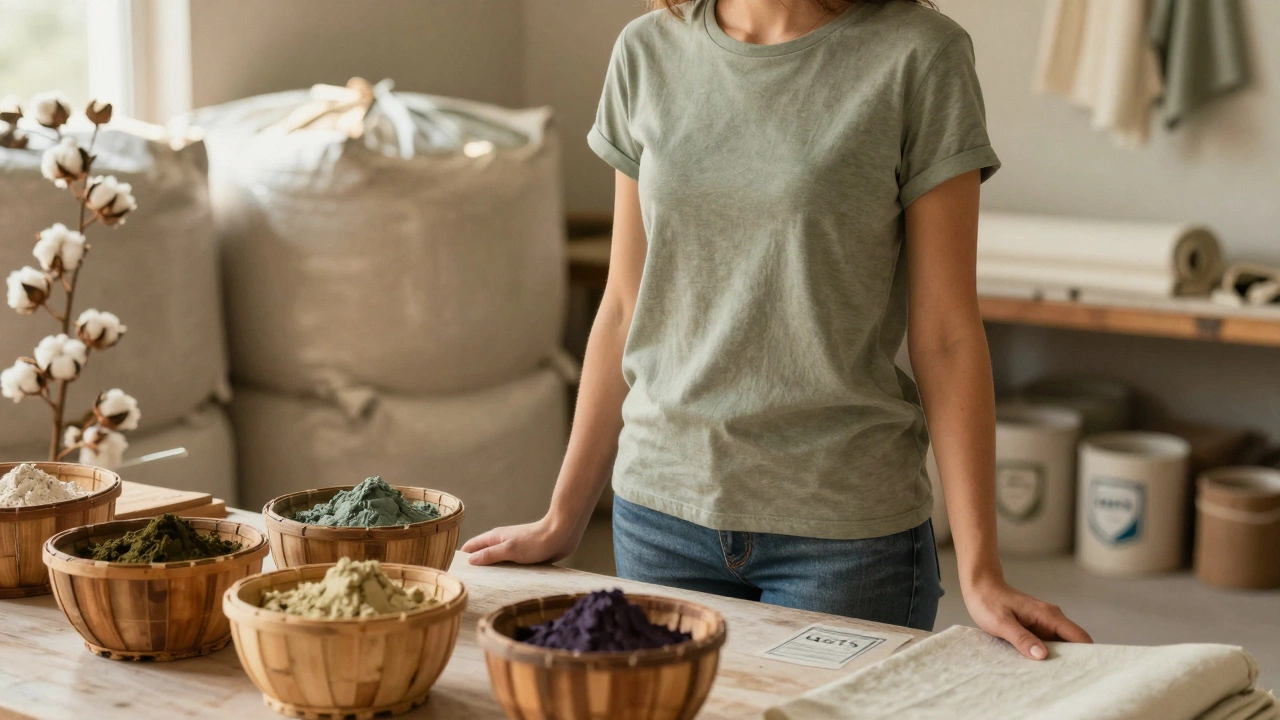
What Is an Example of Sustainable Clothing? Real Brands and Materials That Make a Difference
Discover real examples of sustainable clothing made from organic cotton, recycled polyester, and TENCEL™-and learn how to build a wardrobe that’s kinder to the planet and people.
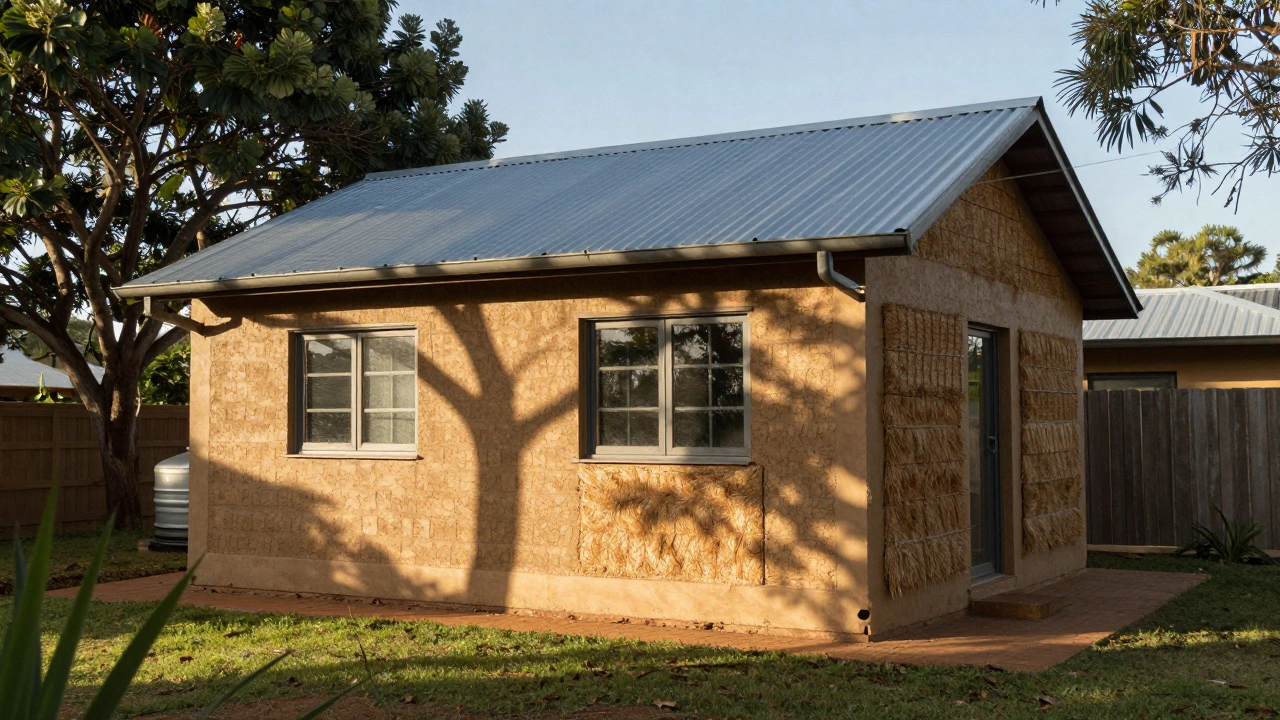
How to Build a Cheap Eco-Friendly House on a Budget
Build a cheap eco-friendly house using local materials, passive design, and simple systems like rainwater harvesting and small solar setups. Save money, cut bills, and live sustainably without debt.
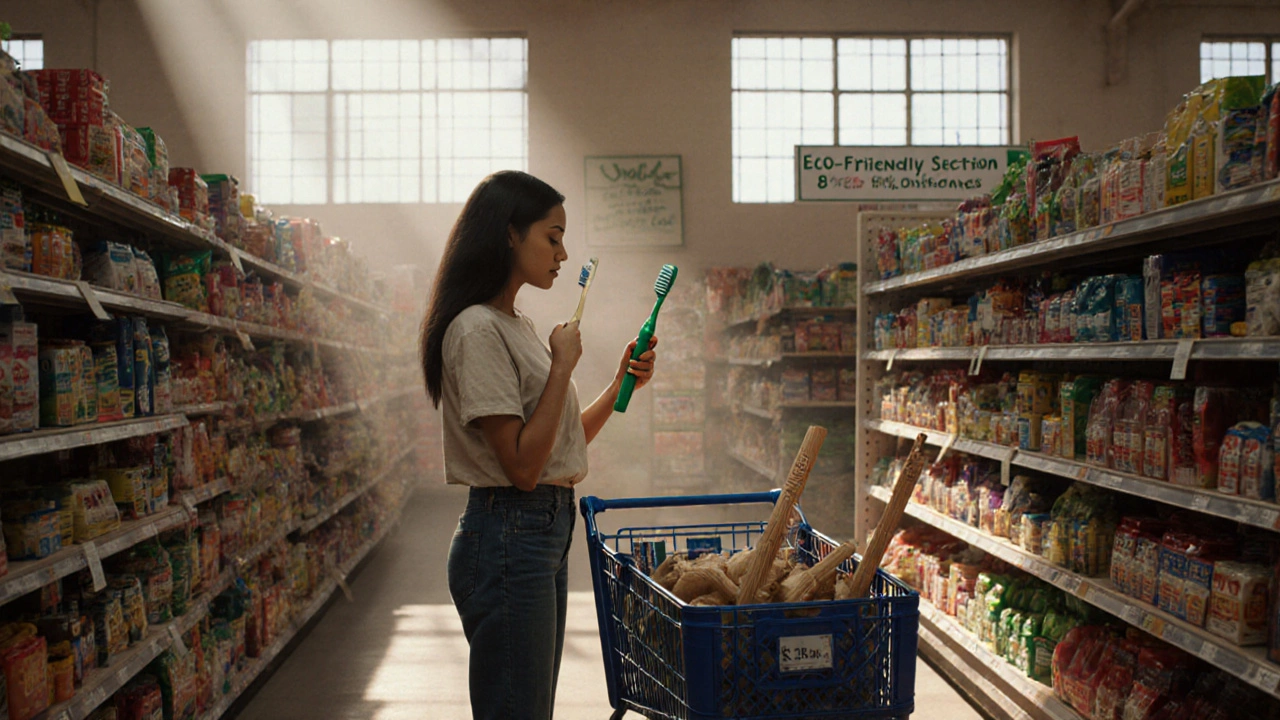
Do People Really Buy Eco-Friendly Products? The Truth Behind the Green Shopping Trend
Many say they want to buy eco-friendly products, but do they actually do it? This article explores the real buying habits behind green consumerism, price barriers, greenwashing, and who’s truly making the switch in 2025.
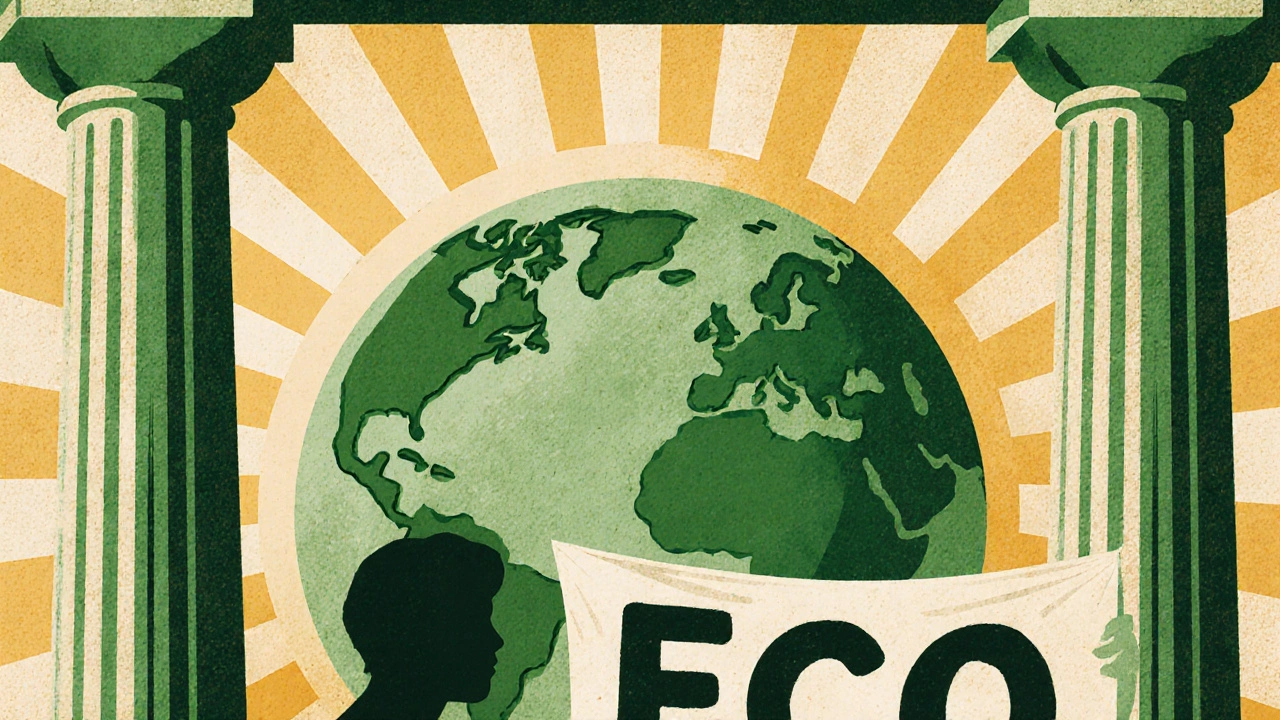
What Is Eco‑Friendly Short For? Definition, Origins & Real‑World Meaning
Discover what "eco-friendly" is short for, its origins, how to verify true eco claims, and practical tips for choosing genuine environmentally friendly products.
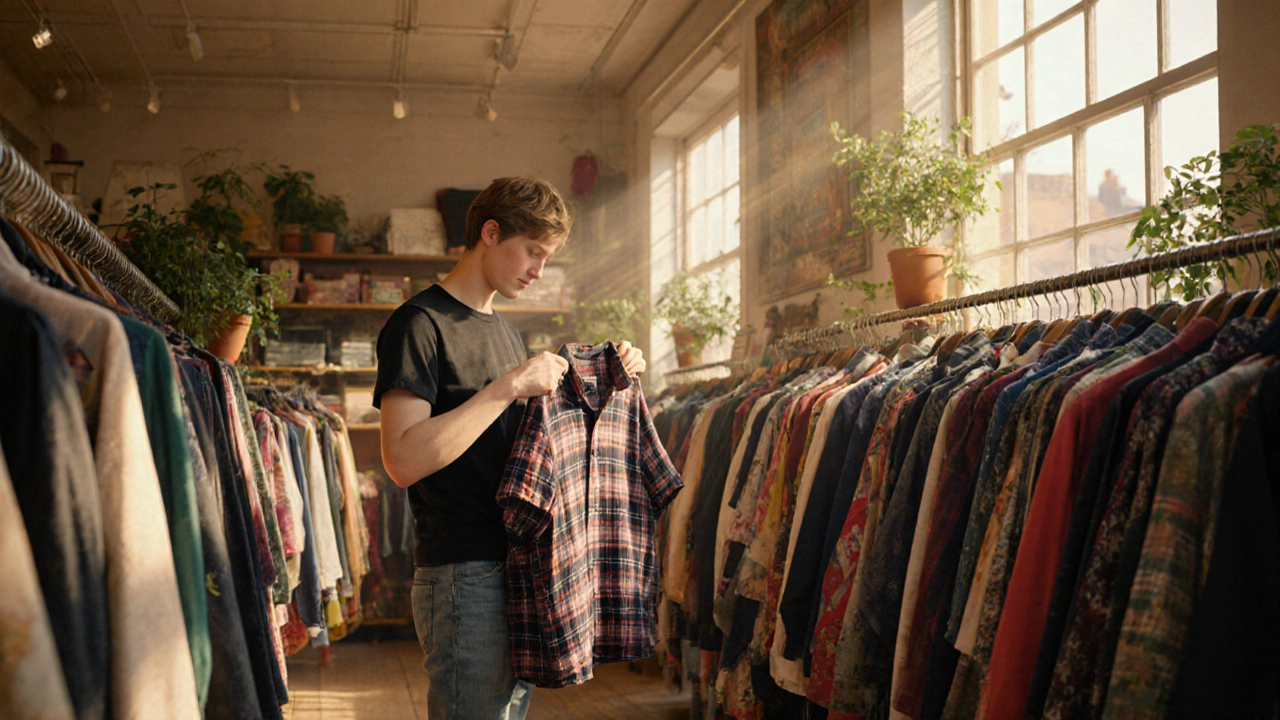
Thrifting and Sustainable Fashion: Is Buying Secondhand Really Eco‑Friendly?
Explore whether thrifting truly counts as sustainable fashion, learn the environmental pros and cons, and get practical tips to make secondhand shopping eco‑friendly.
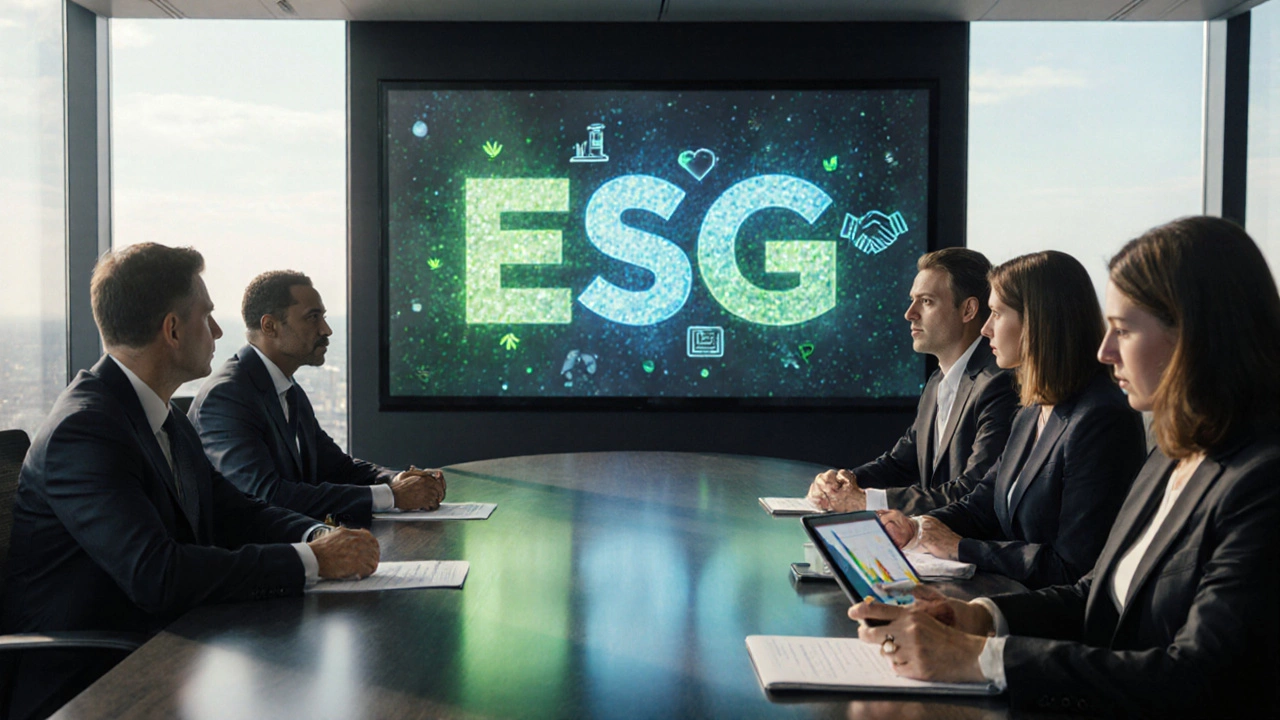
ESG Explained: What It Stands For and Why It Matters
Learn what ESG stands for, explore its three pillars, see why it matters for investors and businesses, and get a step‑by‑step checklist to start measuring ESG performance.