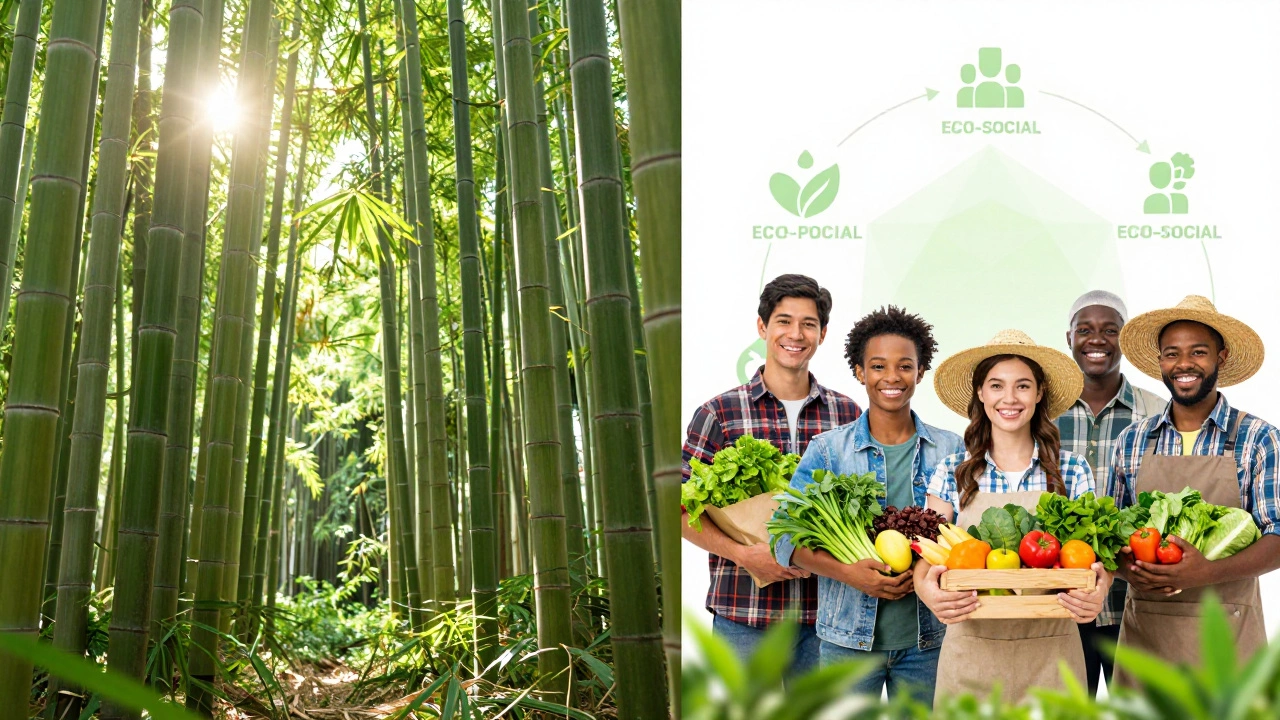
Eco-Impact Calculator
Product/Habit Attributes
Analysis Result
Select attributes and click Calculate to see the breakdown.
You’ve probably seen the word "eco" slapped on everything from shampoo bottles to sneakers. It’s everywhere. But if you stop and think about it, "eco" is just a prefix. It doesn’t actually tell you what kind of sustainability effort is happening under the hood. Is that product better for the planet because it uses less water? Because it was made by fair-wage workers? Or because it breaks down in soil after six months?
Confusion is the enemy of progress. When we treat all "green" claims as equal, we miss out on making real choices. To cut through the noise, experts generally break down the broad concept of "eco" into four distinct types: Eco-Environmental, Eco-Social, Eco-Economic, and Eco-Personal. Understanding these four pillars helps you see where a product or habit actually fits-and whether it’s worth your money.
Type 1: Eco-Environmental (The Planet Focus)
This is the type most people picture when they hear "eco." It deals directly with the physical environment: air, water, soil, and biodiversity. If a product reduces carbon emissions, uses recycled materials, or avoids toxic chemicals that leach into groundwater, it falls squarely into this category.
Think about a bamboo toothbrush versus a plastic one. The bamboo version is an Eco-Environmental choice because bamboo grows rapidly without pesticides, and the handle biodegrades. The bristles might still be nylon (a plastic), which limits its impact, but the core material swap addresses waste reduction.
In this category, look for specific metrics rather than vague buzzwords. Does the packaging use post-consumer recycled content? Is the energy source renewable? For example, a solar-powered phone charger directly offsets fossil fuel use. This type of eco-focus is critical because our planet’s resources are finite. We can’t keep extracting raw materials at the current rate without causing irreversible damage to ecosystems.
- Key Indicator: Reduced carbon footprint, biodegradability, non-toxic ingredients.
- Common Products: Reusable water bottles, electric vehicles, organic cotton clothing.
- The Trap: "Greenwashing." Just because something says "natural" doesn’t mean it’s environmentally safe. Always check certifications like FSC (Forest Stewardship Council) for wood products or Energy Star for electronics.
Type 2: Eco-Social (The People Focus)
Sustainability isn’t just about trees and oceans; it’s about people. Eco-Social focuses on the human side of production. This includes fair labor practices, safe working conditions, and supporting local communities. A product can be made from recycled plastic (Eco-Environmental) but if it was assembled in a sweatshop with child labor, it fails the Eco-Social test.
Consider coffee. You can buy "organic" coffee, which means no synthetic pesticides were used. But if the farmers growing those beans aren’t paid a living wage, the supply chain is unsustainable socially. Fair Trade certification bridges this gap. It ensures that producers receive a minimum price that covers the cost of sustainable production and provides community benefits like schools or healthcare.
When you choose Eco-Social products, you’re voting for dignity and equity. This type of eco-consciousness recognizes that environmental degradation often hits vulnerable populations hardest. By supporting brands that prioritize worker safety and community health, you help create a more resilient society.
| Feature | Eco-Environmental | Eco-Social |
|---|---|---|
| Primary Goal | Protect nature and resources | Ensure fair treatment and community well-being |
| Key Metrics | Carbon emissions, waste reduction | Wage levels, safety records, community investment |
| Certifications | Energy Star, USDA Organic | Fair Trade, B Corp, SA8000 |
| Example Product | Recycled paper notebook | Ethically sourced chocolate |
Type 3: Eco-Economic (The System Focus)
This is the trickiest type for consumers to spot because it operates behind the scenes. Eco-Economic refers to business models that are financially viable while being regenerative. Traditional economics assumes infinite growth on a finite planet, which is impossible. Eco-Economic systems aim for a circular economy: make, use, recycle, repeat.
A classic example is Patagonia’s Worn Wear program. Instead of just selling new jackets, they repair old ones and sell them second-hand. This keeps products in use longer, reducing the need for new resources. It’s good for the planet, but it’s also good for business because it builds customer loyalty and opens new revenue streams.
For individuals, practicing Eco-Economic habits means shifting from ownership to access. Do you really need to own a power drill if you only use it twice a year? Renting tools from a library or sharing with neighbors saves money and reduces manufacturing demand. Similarly, buying high-quality, durable goods that last decades is more economically sound than buying cheap items that break every six months.
This type of eco-focus challenges the "fast" culture-fast fashion, fast food, fast tech. It encourages us to value longevity and repairability over novelty. When companies design products that are easy to fix, they reduce e-waste and create jobs in repair sectors, boosting the local economy.
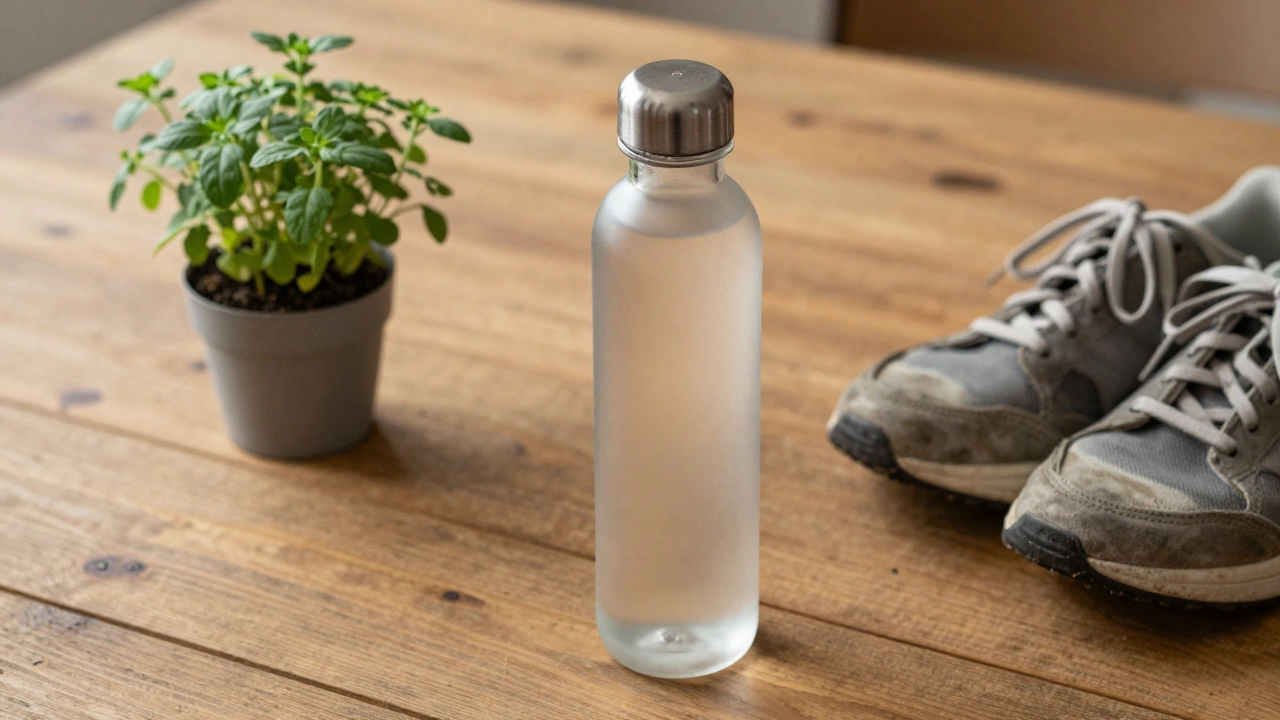
Type 4: Eco-Personal (The Health Focus)
Your body is part of the ecosystem too. Eco-Personal focuses on how environmental choices affect your personal health and well-being. This includes avoiding endocrine-disrupting chemicals, eating nutrient-dense foods, and reducing stress through connection with nature.
Take cleaning supplies. Many conventional cleaners contain volatile organic compounds (VOCs) that can trigger asthma and allergies. Switching to plant-based cleaners not only reduces pollution (Eco-Environmental) but also improves indoor air quality for your family (Eco-Personal). It’s a win-win.
Diet plays a huge role here. Eating locally grown, seasonal produce reduces transportation emissions and ensures you get fresh nutrients. It also supports local farmers (Eco-Social). Plus, preparing meals at home allows you to control ingredients, avoiding processed foods linked to chronic diseases.
Mental health is another facet. Studies show that spending time in nature lowers cortisol levels and boosts mood. Simple acts like gardening, walking in a park, or even keeping houseplants indoors connect you to the natural world. This type of eco-focus reminds us that sustainability isn’t a sacrifice; it’s a path to a healthier, happier life.
How These Four Types Overlap
In reality, these four types rarely exist in isolation. The best sustainable choices hit multiple categories at once. Let’s look at a few examples:
- Buying a Used Car:
- Eco-Environmental: Reduces demand for new car manufacturing, saving resources.
- Eco-Economic: Saves you thousands of dollars compared to buying new.
- Eco-Social: Keeps the vehicle in circulation, delaying landfill waste.
- Growing Your Own Herbs:
- Eco-Personal: Fresh, chemical-free food improves health.
- Eco-Environmental: No packaging waste, no transportation emissions.
- Eco-Economic: Cheaper than buying store-bought herbs that wilt quickly.
- Supporting a Local Bakery:
- Eco-Social: Supports local jobs and community bonds.
- Eco-Environmental: Shorter supply chain means lower carbon footprint.
- Eco-Personal: Often uses higher-quality, fresher ingredients.
When evaluating products or habits, try to score them across all four types. A product that scores high in one area but low in others might not be the best choice. For instance, a luxury electric car is great for the environment (low emissions) but might fail the Eco-Social test if lithium mining exploits workers, and the Eco-Economic test if it’s unaffordable for most people.

Practical Steps to Start Today
You don’t need to overhaul your life overnight. Start small and focus on one type at a time.
- Week 1: Audit Your Trash (Eco-Environmental). Look at what you throw away. Is it mostly food waste? Plastic packaging? Identify one item you can eliminate or replace. Maybe switch to loose tea instead of individually wrapped bags.
- Week 2: Check Labels (Eco-Social). Pick one staple item, like coffee or chocolate. Look for Fair Trade or similar certifications. Learn who makes your food.
- Week 3: Repair Before Replace (Eco-Economic). Find something broken around the house. Can you fix it? If not, can you borrow a tool? Resist the urge to buy new immediately.
- Week 4: Clean Up Your Home (Eco-Personal). Swap one harsh cleaner for a vinegar-and-water solution or a certified green brand. Notice how your home smells and feels different.
Remember, perfection is the enemy of good. Every small step counts. The goal isn’t to be perfect; it’s to be aware. As you become more conscious of these four types, you’ll naturally start making better choices.
Common Pitfalls to Avoid
Even well-meaning consumers fall into traps. Here are three common mistakes:
- Ignoring Scope 3 Emissions. Companies often highlight their direct emissions (Scope 1) but ignore supply chain emissions (Scope 3). A shirt might be made in a solar-powered factory, but if the cotton was flown halfway around the world, the carbon footprint is still high.
- Overvaluing Recycling. Recycling is important, but it’s the last resort. Reduce and reuse come first. Recycling requires energy and water. Making fewer things in the first place is always better.
- Assuming "Local" Means "Green." Local produce is great, but if it’s grown out of season in heated greenhouses, it might have a higher carbon footprint than imported produce grown in optimal climates. Context matters.
Stay skeptical. Ask questions. Look for transparency. Brands that truly care about sustainability will share their data openly.
What is the difference between eco-friendly and sustainable?
Eco-friendly usually refers to immediate environmental benefits, like using recycled materials. Sustainable is broader, encompassing long-term viability across environmental, social, and economic dimensions. Something can be eco-friendly but not sustainable if it relies on exploitative labor or depletes resources faster than they regenerate.
Which type of eco is most important?
All four are interconnected. You can’t have a healthy planet without healthy societies, and you can’t sustain either without a functioning economy. However, for individual action, starting with Eco-Personal (health) and Eco-Environmental (waste reduction) often yields the quickest visible results and builds momentum for broader changes.
How do I know if a brand is genuinely eco-social?
Look for third-party certifications like Fair Trade, B Corp, or SA8000. These require independent audits of labor practices, wages, and safety conditions. Be wary of brands that only mention "community support" without providing specific data or transparency reports.
Is recycling considered Eco-Economic?
It can be, but it’s complex. Recycling creates jobs in processing facilities, which is an economic benefit. However, if the recycling process is inefficient or contaminated, it becomes a financial burden. True Eco-Economic thinking prioritizes designing products that don’t need recycling because they last forever or are easily disassembled.
Can I practice Eco-Personal without spending extra money?
Absolutely. Many Eco-Personal habits save money. Cooking at home, walking instead of driving, and using natural light improve health and reduce bills. Connecting with nature through parks or hiking is free. The key is shifting priorities from consumption to experience and well-being.