Category: Personal Growth - Page 2

Who Is the Greatest Self-Made Man in History? Top Figures and Lessons
Explore the lives of history's greatest self-made figures like Andrew Carnegie and Frederick Douglass. Discover their strategies, failures, and lessons for personal growth and success.

The 4 Habits of Emotionally Strong People: A Guide to Resilience
Discover the 4 habits of emotionally strong people: allowing feelings, taking responsibility, prioritizing self-care, and seeking growth. Build resilience today.
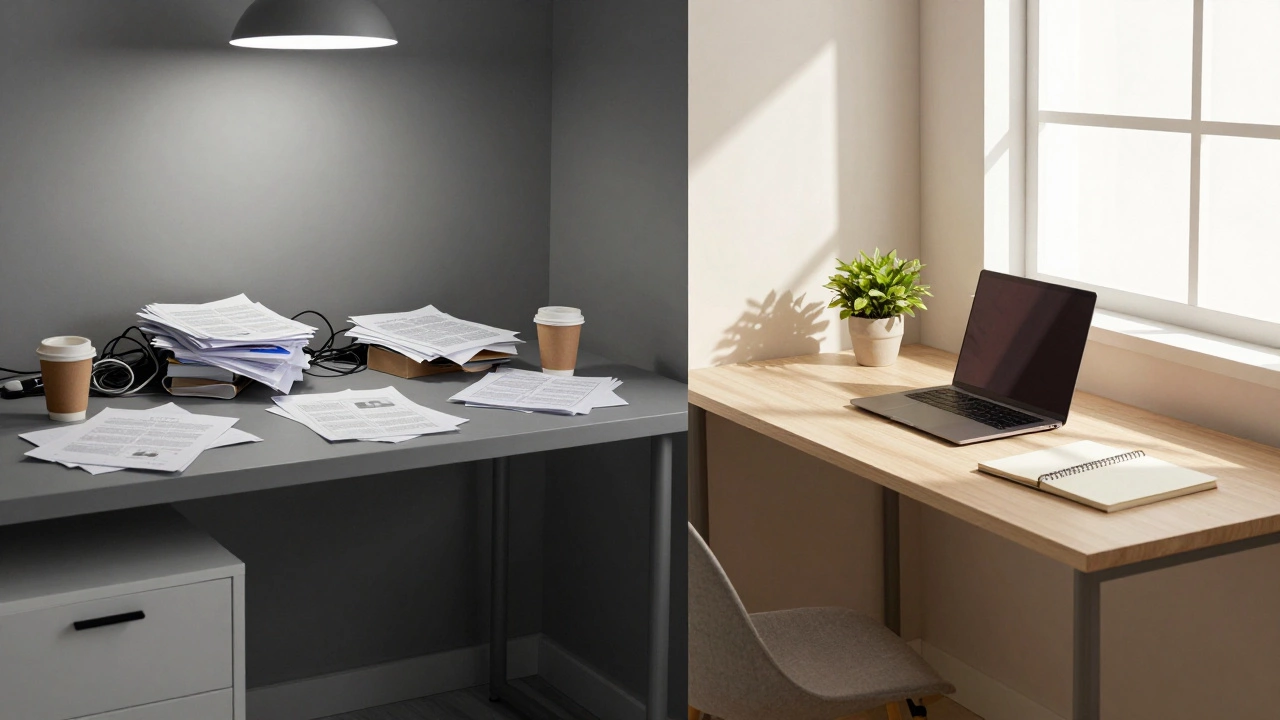
Is Minimalism Good for ADHD? How Decluttering Calms the Brain
Discover how minimalism reduces sensory overload and supports executive function for people with ADHD. Practical tips for decluttering without overwhelm.

How to Start Living as a Minimalist: A Practical Guide
Stop feeling overwhelmed by clutter. Learn how to start a minimalism lifestyle with practical decluttering tips, mindful consumption habits, and a focus on intentional living.

Why Do People with ADHD Struggle to Clean? The Hidden Brain Reasons Behind the Mess
People with ADHD don't struggle to clean because they're lazy-they struggle because their brains process tasks differently. This article explains the real neurological reasons behind clutter and what actually works to create a livable space.

What Is an Ineffective Work-Life Balance? Signs You're Doing It Wrong
An ineffective work-life balance isn't about working too much-it's about letting work take over your energy, identity, and peace. Learn the hidden signs you're doing it wrong and how to rebuild harmony instead of chasing balance.
What Type of People Are Minimalists? Real Traits of a Minimalist Lifestyle
Minimalists aren't defined by how little they own - they're defined by how consciously they live. This article explores the real traits of people who choose simplicity, from valuing time over stuff to embracing emotional clutter with care.

What Is Mindfulness? A Simple, Practical Definition
Mindfulness is paying full attention to the present moment without judgment. It’s not about relaxation or emptying your mind-it’s about noticing what’s already here, one breath at a time.

What Is the 30-Day Rule for Minimalism? A Practical Guide to Decluttering Your Life
The 30-day rule for minimalism helps you decide what to keep by waiting 30 days before letting go of anything. It reduces clutter, lowers stress, and helps you live with more intention - no extreme changes required.
What Is the Disadvantage of Work-Life Balance?
Work-life balance sounds ideal-but rigid boundaries, guilt, and unrealistic expectations can make it worse. Learn why chasing balance might be burning you out and what actually works instead.
What Is the Disadvantage of Self-Help Books?
Self-help books promise quick fixes, but often ignore real-life barriers like trauma, poverty, and exhaustion. They sell inspiration without systems, making progress feel impossible. Here's what actually works instead.
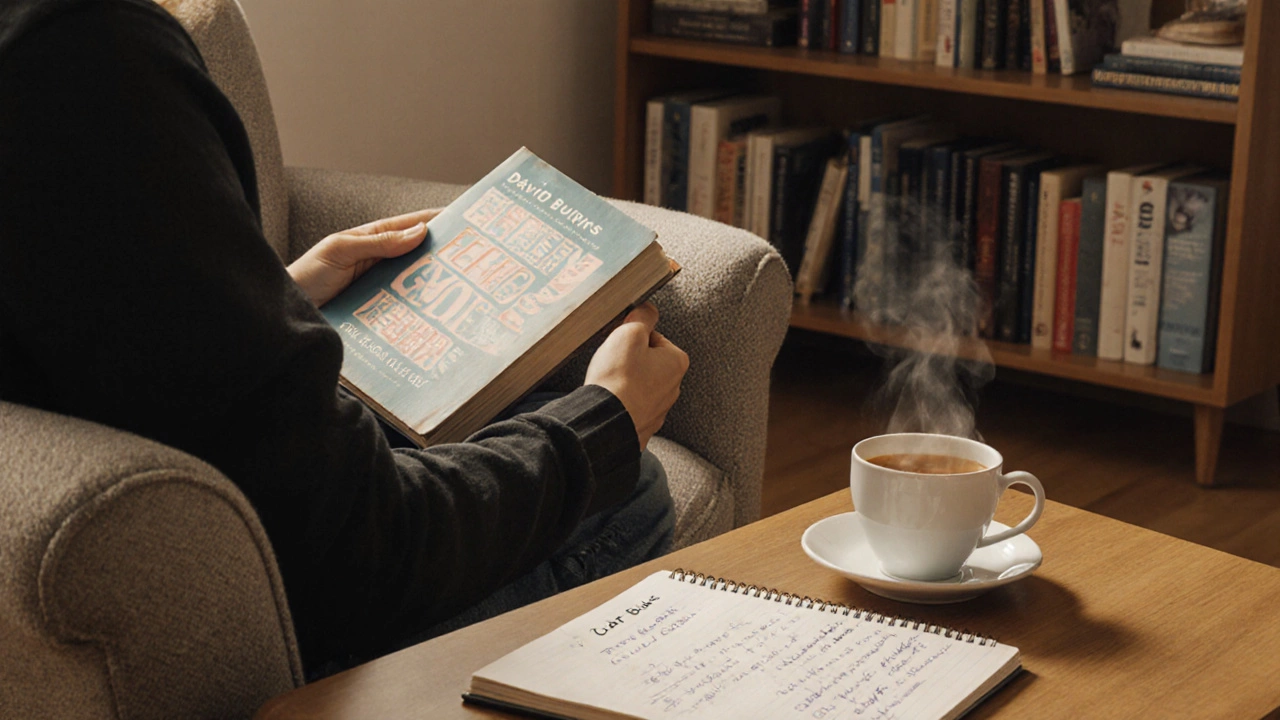
Do Therapists Recommend Self-Help Books? What the Experts Actually Say
Therapists do recommend self-help books-but only if they're evidence-based, practical, and written by qualified professionals. Here’s what works, what doesn’t, and how to choose the right ones.